
Home Values Stay When Clean Energy Moves In
When a solar, wind or battery storage project comes to town, residents ask one question first: What happens to my home's value?
Research presented at a July 9 webinar hosted by Strategic Economic Research, "Understanding Property Values & Renewable Energy Projects," concludes these facilities do not drag down nearby residential property values. If anything, they may lift them.
Gilbert Michaud, an assistant professor of environmental policy at Loyola University Chicago, and Sampson Hao, a researcher and solar developer who publishes as Simeng Hao, presented their study, "Assessing Property Value Impacts Near Utility-Scale Solar in the Midwestern United States."
They analyzed 70 utility-scale solar facilities built in the Midwest between 2009 and 2022, and found the projects increased nearby property values by roughly 0.5% to 2.0%. Projects under 20 MW showed the strongest gains.
Appraiser Mike MaRous, owner of MaRous & Company, reached the same conclusion after interviewing more than 125 assessors in communities that already host solar, wind and battery projects.
"You have no sound, you have no smell," MaRous said of solar farms. "There are really no hazardous materials, toxins, or associated odors."
They also require few government services. Unlike a residential subdivision, which needs fire protection, trash collection, snow plowing and other services, a solar or wind farm demands almost nothing back. This may be relevant for chambers and economic developers discussing the broader fiscal impacts of proposed projects with local officials.
Facts to Address Fiction
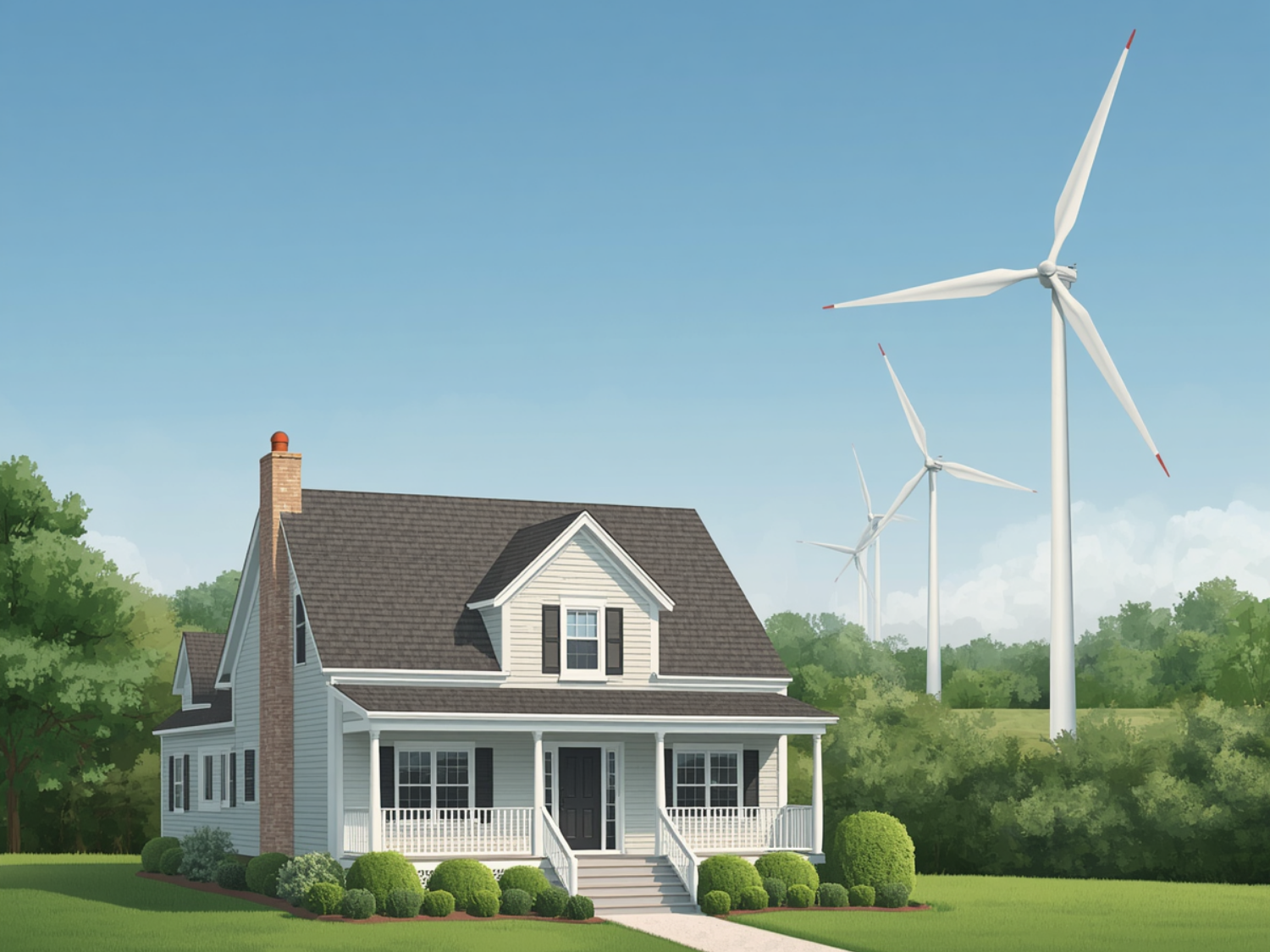
Permitting hearings often run on fear and misinformation. David Loomis, president of Strategic Economic Research and professor emeritus of economics at Illinois State University, said research like this gives officials a factual starting point. A wind, solar or battery storage project may be the first their county has ever faced.
“Everybody thinks that their community is unique and singled out for this project,” Loomis said, “but this is happening all over the country.”
For chambers of commerce and economic development organizations, property values are one of the most common concerns raised when new energy projects are proposed. This research suggests that clean energy projects may modestly lift property values, adding to a broader body of evidence that clean energy projects can provide economic benefits while asking little of local government budgets in return. Watch the full webinar replay.
