
The EV Market Continues to Charge On
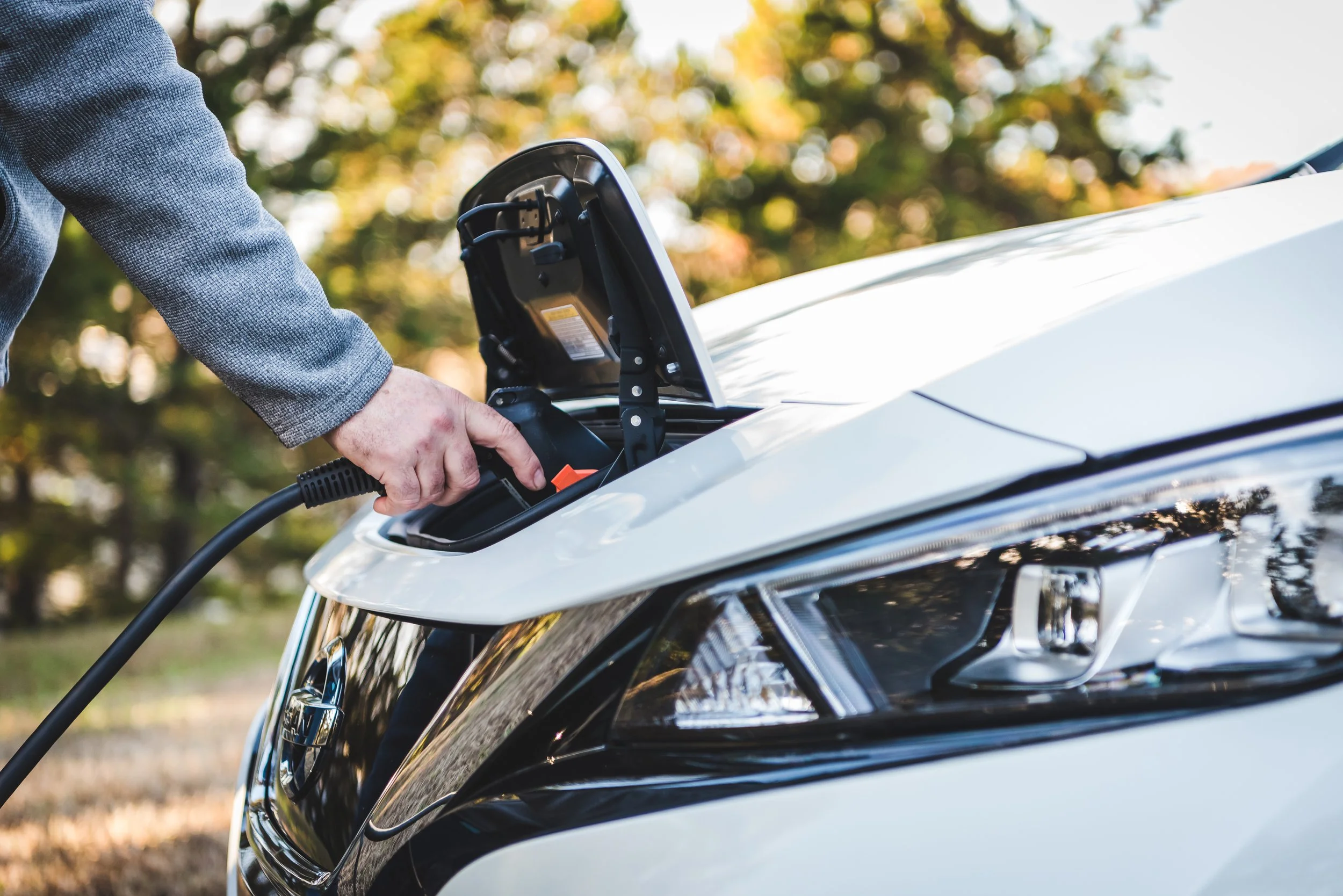
Millions of Americans now drive electric vehicles, making charging infrastructure an increasingly important part of the nation's transportation system. Nearly 5.7 million electric vehicles and more than 1.8 million plug-in hybrid electric vehicles are on U.S. roads.
Since the pullback of federal tax credits for EV manufacturing and purchases, sales have slowed, and manufacturing investments have changed. Even so, the EV segment is proving to be resilient. Americans bought more than 660,000 EVs and plug-in hybrids this year, which made up nearly 7% of new vehicle sales in July.
EV investment means regional economic development. EV and battery manufacturers, suppliers, and charging infrastructure create jobs, tax revenues, and supply chain opportunities in the communities chambers of commerce and economic development organizations (EDOs) serve.
Growing domestic EV and battery manufacturing can also strengthen U.S. supply chains, support American manufacturing, and position communities to compete in the global EV market. Changes to federal EV policy have contributed to weaker domestic demand and shifts in planned manufacturing investments, while global competition continues to grow, particularly in China.
Despite these shifts, chambers and EDOs can still take practical steps to help capture EV-related economic opportunities. At the federal level, they can advocate for continued investment in EV charging infrastructure and a fair, data-driven approach to EV registration fees. They can also engage at the state level to attract EV and EV battery manufacturers, as well as supply-chain companies.
Chambers across the country are already taking action to promote EV investments in their regions. The McLean County Chamber of Commerce (IL), for example, collaborated with Rivian and local universities to address workforce development solutions. The Georgia Chamber of Commerce spotlighted the Blue Bird Vision Electric school bus through its 2026 Coolest Thing Made in Georgia competition, helping showcase an industry that is investing and creating jobs in the state.
Whether connecting businesses with workforce solutions or simply celebrating companies investing in their communities, chambers and EDOs can help their regions compete for EV-related jobs and investment.
To learn more about issues related to EVs, see CICE's paper on Electric Vehicles. For more examples of ways CICE can highlight local business and investment, check out CICE's Chamber Clean Energy Toolkit.
