
Why Geothermal Is Having a Moment in the West
The most valuable asset in the Mountain West may be the one no one can see: miles of hot rock thousands of feet underground.
Western states are recognizing geothermal’s potential to help meet rising energy demand while supporting long-term economic growth. Arizona, Colorado, Utah, and New Mexico announced in May a new regional partnership, The Mountain West Geothermal Consortium, focused on advancing geothermal development and collaboration across the region.
And demand is rising quickly.
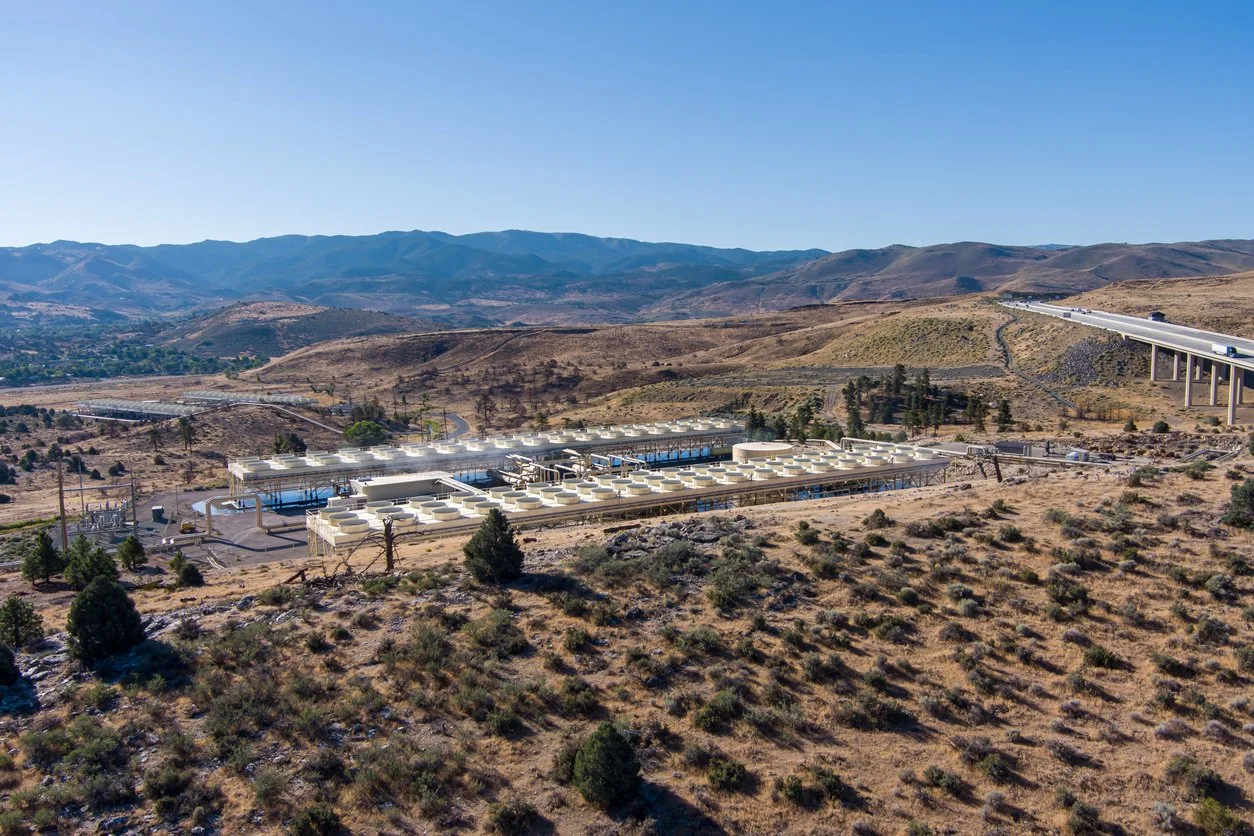
A geothermal power plant in Reno, Nevada.
Population growth, advanced manufacturing, electrification, AI, and data centers are placing enormous pressure on electric grids across the West. States are looking for energy solutions that are reliable, scalable, and capable of supporting economic competitiveness for decades to come.
That is one reason geothermal is drawing increased attention.
Geothermal provides consistent, around-the-clock power. It is clean and increasingly viable because of advancements in drilling and subsurface technology – many adapted from the oil and gas industry. Those innovations are unlocking geothermal opportunities in places that previously were not considered commercially feasible.
While geothermal will not be the right fit for every region, Western states increasingly see it as part of a broader strategy to strengthen grid reliability and expand domestic energy production.
The Mountain West is uniquely positioned to lead in geothermal energy
Utah has become a hub for next-generation geothermal innovation through the Department of Energy’s Frontier Observatory for Research in Geothermal Energy (FORGE) initiative near Milford. Meanwhile, companies like Fervo Energy are investing heavily in large-scale geothermal projects across the region. Federal investment is also accelerating, with the U.S. Department of Energy continuing to prioritize geothermal research and commercialization efforts.
For chambers of commerce and economic development leaders, this conversation is about economic competitiveness.
Reliable energy availability is one of the defining factors in business attraction, advanced manufacturing growth, and data center recruitment, as well as business retention and expansion. Communities that can support future energy demand will be better positioned to compete for investment, jobs, and long-term growth.
Geothermal also creates opportunities tied to infrastructure development, workforce growth, engineering, construction, and rural economic expansion.
Chambers and economic development organizations that convene utilities, businesses, and elected officials while the momentum is building can help shape how geothermal development unfolds in their communities rather than reacting to it later.
