
CICE in DC: The Business Community's Case for Permitting Reform
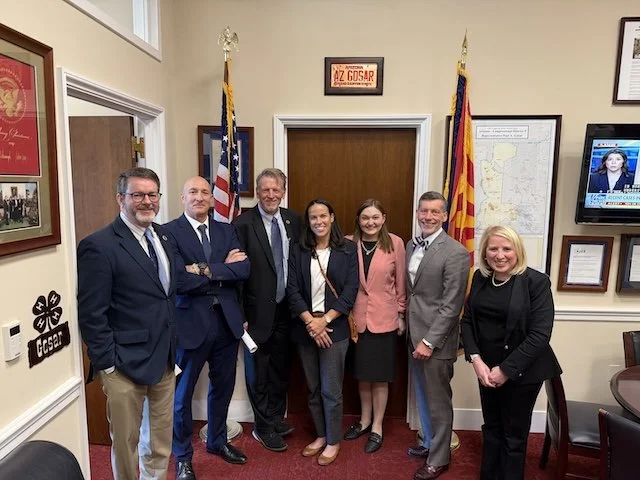
Chambers for Innovation and Clean Energy (CICE) brought chamber of commerce and economic development leaders from across the country to Washington, D.C., in April 2026 for a series of timely and strategic meetings with members of Congress and their staff.
The message: America's outdated permitting system is holding back economic growth, and Congress must act now to fix it.
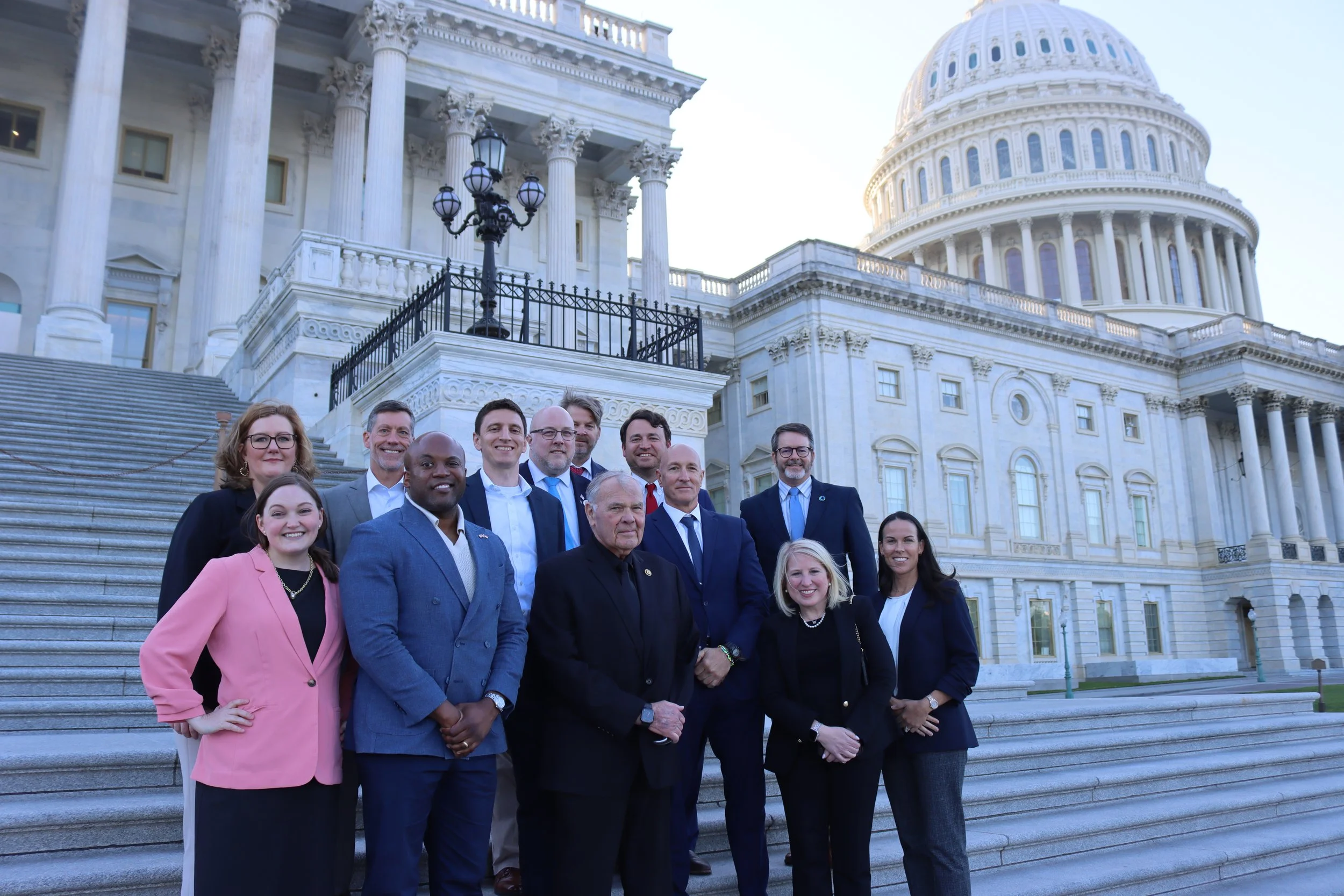
Chamber and economic development leaders shared firsthand accounts of how outdated permitting processes and persistent policy uncertainty are delaying critical energy, infrastructure, and manufacturing projects in their communities, driving up costs and discouraging private investment.
These stories reflect a broader national challenge: The federal permitting process for infrastructure projects averages more than seven years. Last year, policy instability, among other factors, contributed to nearly $24 billion in canceled clean energy projects and an estimated 21,000 lost jobs nationwide.
“I’ve learned that every opportunity to build meaningful relationships with lawmakers is one worth taking,” said Erin Kuiper, incoming president and CEO, Buckeye Valley Chamber (AZ). “These engagements allow us to share what is truly happening on the ground in our region—both the challenges and the opportunities—in a way that data alone cannot translate. Opportunities like this are invaluable in strengthening those connections and advocating effectively.”
Every month of delay is another month that communities go without the jobs, investment, and energy infrastructure on which their families and businesses depend.
“Smarter permitting means more jobs,” Rob Bradham, CICE’s director of policy, told Utility Dive.
Chamber leaders urged lawmakers to prioritize these key actions:
Permit certainty: Once issued, an agency shall only rescind, amend, or void a permit under these circumstances:
A court order
A violation of the law
Fraud or material misrepresentation
A finding that action is needed to prevent specific, immediate, and substantial harm not considered during the original review
The permit holder requests it
Technology-neutral application of judicial reforms: Apply judicial reforms equally to all infrastructure and energy technologies, without preference or exclusion.
Recognize state environmental reviews: Allow federal agencies to accept environmental reviews conducted under state laws when those reviews meet National Environmental Policy Act (NEPA) standards.
Statute of limitations for legal challenges: Establish a firm 150-day deadline for filing legal challenges under NEPA, measured from the date the relevant agency action is made public.
Streamlined, predictable judicial review: Ensure that only parties who submit substantial comments during the public comment period may bring a legal challenge; clarify that the sole remedy for a successful NEPA claim is remand to the agency; and affirm that courts must defer to the lead agency unless the agency’s decisions were arbitrary, capricious, or unlawful and would change the outcome.
This trip builds on CICE's ongoing advocacy in Washington, including the fly-ins in May, June, and October 2025.
CICE will continue convening chamber and economic development leaders to share research, elevate business perspectives, and support informed policymaking on Capitol Hill. We anticipate returning to D.C. for additional conversations in the months ahead as the Senate takes up reform legislation.
