
Arizona Energy Workshops Made Clear: Growth Requires More Than Megawatts
By Colin Diaz, Western regional director
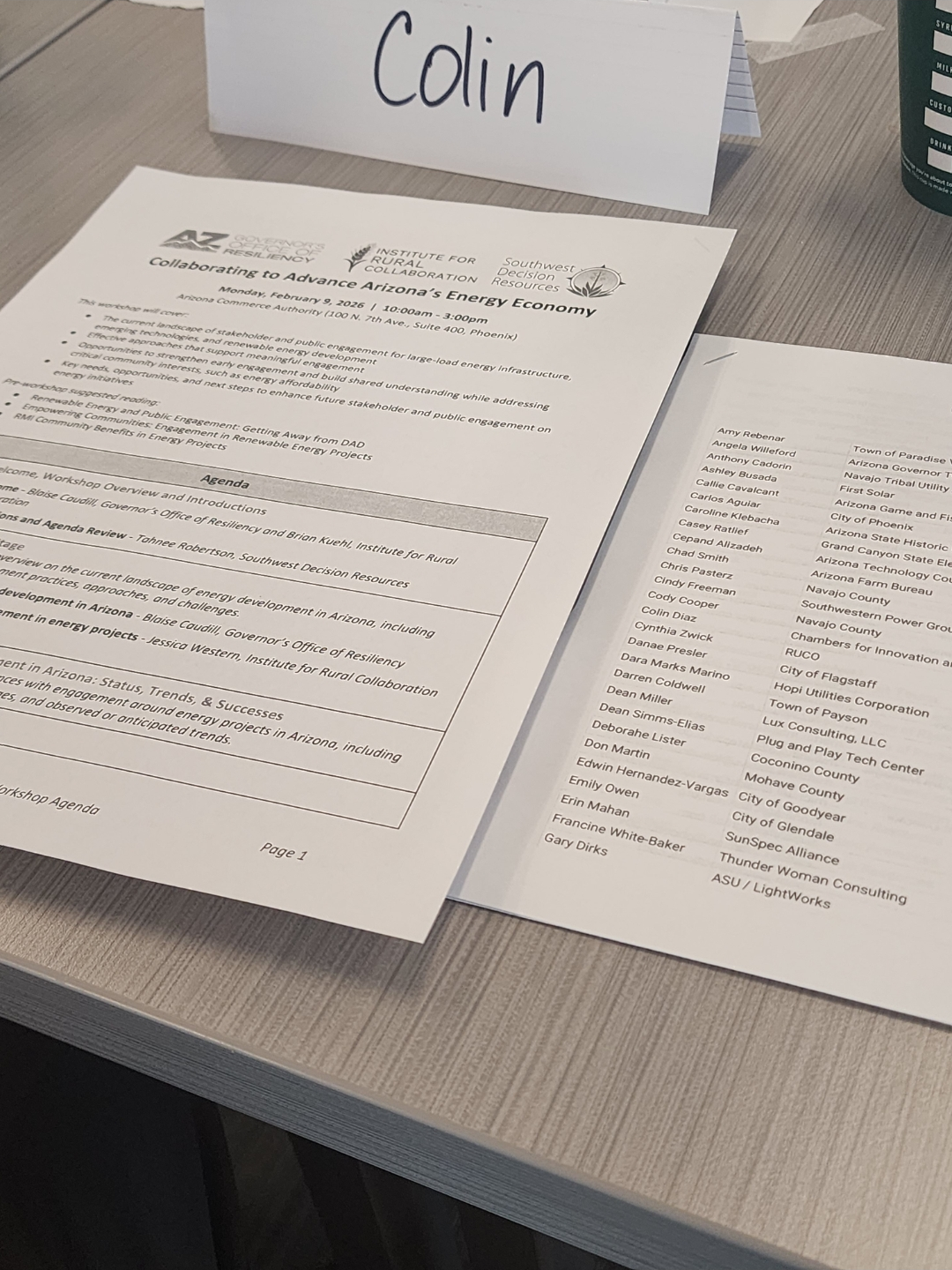
This year, I had the opportunity to lead breakout discussions at the Collaborating to Advance Arizona’s Energy Economy statewide workshops in Tucson and Phoenix. Local governments, utilities, energy experts, community organizations, economic developers, and other stakeholders convened to examine what Arizona needs to support its continued growth.
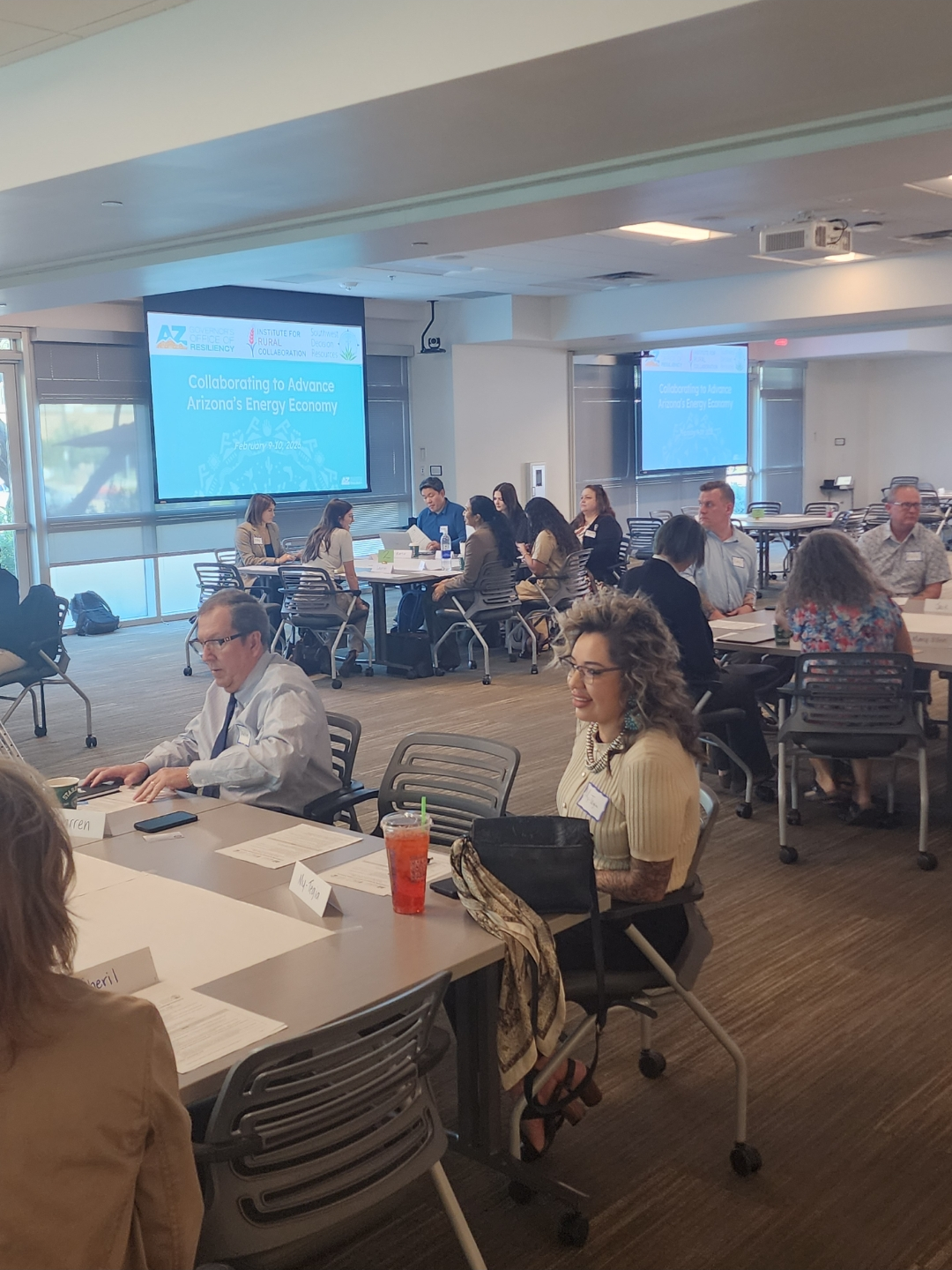
I brought together chamber and business leaders, including representatives of the Greater Phoenix Chamber and the Arizona Hispanic Chamber, for a conversation about how Arizona’s business community can play a bigger role in shaping the state’s energy future.
What I Learned
The clearest lesson was that Arizona does not lack interest, ideas, or opportunity. What we need is greater alignment.
Energy experts focus on generation, transmission, interconnection, and project timelines. Local leaders often weigh in on land use, water, infrastructure, and public expectations. Businesses care about reliability, affordability, workforce availability, and the certainty they need to make long-term investments.
Each perspective is valid. The challenge is that these conversations do not always happen in the same room or early enough in the process.
I also learned that, although the details may differ from Tucson to Phoenix and from urban centers to rural and Tribal communities, the underlying question is largely the same: How can Arizona meet growing energy demand while protecting affordability, strengthening reliability, and ensuring that communities have a meaningful voice in the projects that affect them?
The Biggest Takeaways
Energy is economic development infrastructure. Companies evaluating where to locate or expand look beyond available land and workforce. They also need confidence that sufficient, reliable, and cost-competitive power will be available when they need it. Energy planning must include broader conversations about business attraction, retention, housing, transportation, and workforce development.
Speed and trust go hand in hand. Arizona needs to build energy generation, storage, and transmission faster. Early communication, transparent processes, and meaningful local input can reduce uncertainty, strengthen projects, and help prevent delays that emerge when residents and businesses feel leaders made decisions without them.
Arizona needs statewide coordination with room for regional solutions. The energy needs, economic priorities, and community concerns of one region may not mirror those of another. A successful statewide strategy must establish clear goals while giving local leaders the information and flexibility to respond to their communities.
The workshops in Tucson and Phoenix reinforced something I see across the West: Energy decisions are economic decisions, and the strongest outcomes happen when leaders include communities.
Chambers do not need to become technical energy experts to lead. They need to ask the right questions, bring the right people together, communicate what businesses need, and remain engaged as plans move toward implementation.
