
CHAMBERS IN ACTION
Local chambers across the country are taking the lead in creating and convening clean energy conversations, best practices, events and advocating on local policy.

Home of “The Rock”, Lehigh Valley Chamber Focuses on Energy
Interest Has Definitely Grown, Says Chamber VP
Lehigh Valley, Pennsylvania, does everything big. It produces big stars, like “The Rock”; big businesses leaders, like Lee Iacocca, former chairman of the Chrysler Corporation; and very big chambers of commerce.
The Lehigh Valley Chamber of Commerce spans two states, Pennsylvania and New Jersey, and is among the 10 largest local chambers in the nation. It has nearly 5,000 members who employ more than 200,000 people.
So it’s only fitting that when this Chamber took on energy, including in Pennsylvania—a state the Pew Charitable Trust recently characterized as a rising clean energy leader—it did so in a big way.
It started back in 2008 when, like much of the country, the Valley found itself in the midst of a financial meltdown.
“Everybody was paying attention to every expense known to man,” recalls John Hayes, who sits on the Chamber’s Board of Governors and is Senior Vice President and Chief Lending Officer of the New Tripoli Bank. “And I brought up the idea that we focus on energy.”
But in recent years, interest has grown significantly, says Michelle Griffin Young, the Chamber’s Vice President of Government Affairs.
Today, there is significant interest in the Chamber’s annual Energy & Environment Outlook and Expo; its Energy and Environment Committee; and its annual award to a member business that exemplify best energy practices.
For example, when the Chamber held its annual Energy & Environment Outlook and Expo event last year, more than 150 people came, including the state’s Secretary of the Department of Environmental Protection John Quigley; Chairwoman of the PA Public Utility Commission Gladys Brown; and several Congressmen.
The Chamber’s now eight-year-old Energy and Environment Committee has also become popular through its work to identify energy innovations that can benefit small businesses; highlight success stories; and work with officials to educate the business community on clean energy options and incentives.
“It used to be us recruiting people to be on the committee,” “says Griffin Young. “Now it’s people hearing about it and asking us to join the committee.”
UPDATE: You can view the agenda and watch video of the 2023 Lehigh Valley Chamber Sustainability Summit here.

Ohio Chambers Talk Wind Energy During Capitol Visit
From a Columbus suburb (home to a new wind-powered Amazon data center) to the small village of Paulding (where a new wind farm will begin generating electricity in 2017) local chamber leaders trekked to Ohio’s capitol this month to tell Gov. Kasich and lawmakers how their communities have benefited from wind energy.
From a Columbus suburb (home to a new wind-powered Amazon data center) to the small village of Paulding (where a new wind farm will begin generating electricity in 2017) local chamber leaders trekked to Ohio’s capitol this month to tell Gov. Kasich and lawmakers how their communities have benefited from wind energy.
“For businesses, school districts, and taxpayers in rural communities like ours, wind power is an absolute blessing,” said Peggy Emerson, Executive Director of the Paulding Chamber of Commerce.
“Wind energy has been one of the biggest investments in Ohio and has the potential to contribute much more to Ohio’s future economic prosperity,” said Susan Munroe, President and CEO of the Van Wert Area Chamber of Commerce. “We want to work with legislators to encourage further investment and job growth created with wind energy development.”

To date, wind energy has resulted in investments of more than $775 million in Ohio. This new “cash crop” delivers significant tax benefits to schools and other institutions, income to landowners and local supply chain businesses while supporting county services in communities able to host these wind farms.
This was the second visit by local chamber leaders to the state’s capitol in the past year. In a related trend, a growing number of businesses have encouraged lawmakers to establish reasonable “setback” provisions, which determine how far a wind turbine must be situated from the nearest property line.
In 2014, the Ohio legislature tripled the required distance for turbines — resulting in a near moratorium on wind farm development and investment. Meanwhile, corporations such as Amazon have announced increased demand for wind energy to power data centers in the state. And the Toledo-based Owens Corning in 2015 signed the largest wind power purchase agreement by an industrial company in the world—but had to source wind energy from Texas.
Amazon Wireless Services, Panasonic, Apex Clean Energy, First Solar, and other businesses also sent a letter to Gov. Kasich this month encouraging more reasonable rules.
The local chamber leaders took a more personal approach, sharing their stories in meetings with the Governor’s Office; Speaker Cliff Rosenberger’s Office, a half-dozen representatives, including Rep. Shaffer, Chair of the House Public Utilities Commission; and Senators Cliff Hite and Jay Hottinger.
Pictured above from left to right: Susan Munroe, President & CEO, Van Wert Area Chamber of Commerce; Former Ohio Rep. Jim Hoops; Eric Germann, President, Lincolnview Schools; Peggy Emerson, Executive Director, Paulding Chamber of Commerce; Brian Dicken, VP of Advocacy & Public Policy, Toledo Regional Chamber of Commerce.

Who Likes a Challenge Better than a Chamber CEO?
In Massachusetts, 11 local chambers immediately signed up for a new Chamber Solar Challenge as soon Chris Cooney, President and CEO of the Metro South Chamber, announced it at the annual Massachusetts Association of Chamber of Commerce Executives (MACCE).

In Massachusetts, 11 local chambers immediately signed up for a new Chamber Solar Challenge as soon Chris Cooney, President and CEO of the Metro South Chamber, announced it at the annual Massachusetts Association of Chamber of Commerce Executives (MACCE) meeting last month.
Many more chambers across the Commonwealth are expected to join the challenge this month.
Here’s how it works: The local chamber with the most businesses signed up to install solar by January 31, 2017 wins the challenge! There is significant non-dues revenue associated with the challenge and prizes. Read more about it here.
MACCE also served up a great energy panel that featured Commissioner Judith Judson of the Massachusetts Department of Energy Resources and was moderated by the Worcester Regional Chamber of Commerce’s Stuart Loosemore. General Counsel and Director of Government Affairs and Public Policy.
Peter Rothstein, President of the Northeast Clean Energy Council, and Carolyn O’Connor, Director of External Affairs for Hydro-Québec, also joined the conversation—briefing chambers on solar net metering, grid modernization, and Massachusetts’ plan to increase the amount of renewables in the state’s energy mix.

Central PA Chamber Grows Popular Energy Savings Program
The Central Pennsylvania Chamber of Commerce hosts an increasingly popular annual competition that rewards businesses that are taking advantage of energy efficiency, renewable energy, and related practices.
In the rural heart of Pennsylvania is an 111-year-old chamber of commerce that is enthusiastically helping its member businesses benefit from energy savings and celebrating those members that are leading the charge.
With coal country on one side and a university town on the other, the Central Pennsylvania Chamber of Commerce hosts an increasingly popular annual competition that rewards businesses that are taking advantage of energy efficiency, renewable energy, and related practices.
President and CEO Bruce Smith Jr. sees the awards program as an opportunity to do what chambers of commerce do best: educate members about valuable new business practices, help make connections that save members money, and bring community and business members together.
“The program is growing and I want all our members to be a part,” said Smith. “It offers free PR and everyone wants that.”
The awards program began four years ago when Tea Jay Aikey, the Chamber’s Executive and Finance Assistant, encouraged businesses on Lawton Lane, where the Chamber is housed, to simply recycle. Many said they lacked the time or thought it would take too much effort.
That’s when Smith and Aikey realized their members would benefit from learning about energy savings and waste reduction practices. They began bringing in member businesses to demonstrate how these practices worked—and how much money members could save.
The chamber now asks members who wish to participate in the awards program nearly 30 questions about their efficiency, renewable energy, and transportation practices: something that, in itself, encourages members to think about how to save on energy.
“I was just checking our email this morning,” said Aikey, “and one of our local dentists told me he was considering installing solar. Our reminder to apply for an award got him thinking about it.”
VA Local Chambers Say “100,000 Times Yes” to Clean Energy
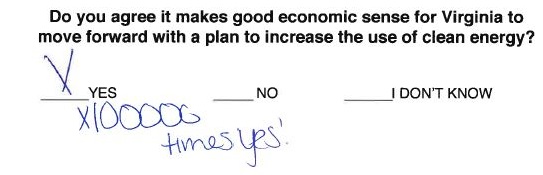
During last month’s annual Virginia Association of Chamber of Commerce Executives conference, local chamber leaders were asked: “Do you agree it makes good economic sense for Virginia to move forward with a plan to increase the use of clean energy?” In completing the survey, one chamber executive answered with a check plus, one with three checks, and another with “100,000 times yes.”
During last month’s annual Virginia Association of Chamber of Commerce Executives conference, local chamber leaders were asked: “Do you agree it makes good economic sense for Virginia to move forward with a plan to increase the use of clean energy?”
In completing the survey, one chamber executive answered with a check plus, one with three checks, and another with “100,000 times yes.” In all, 100 percent of the respondents answered positively.
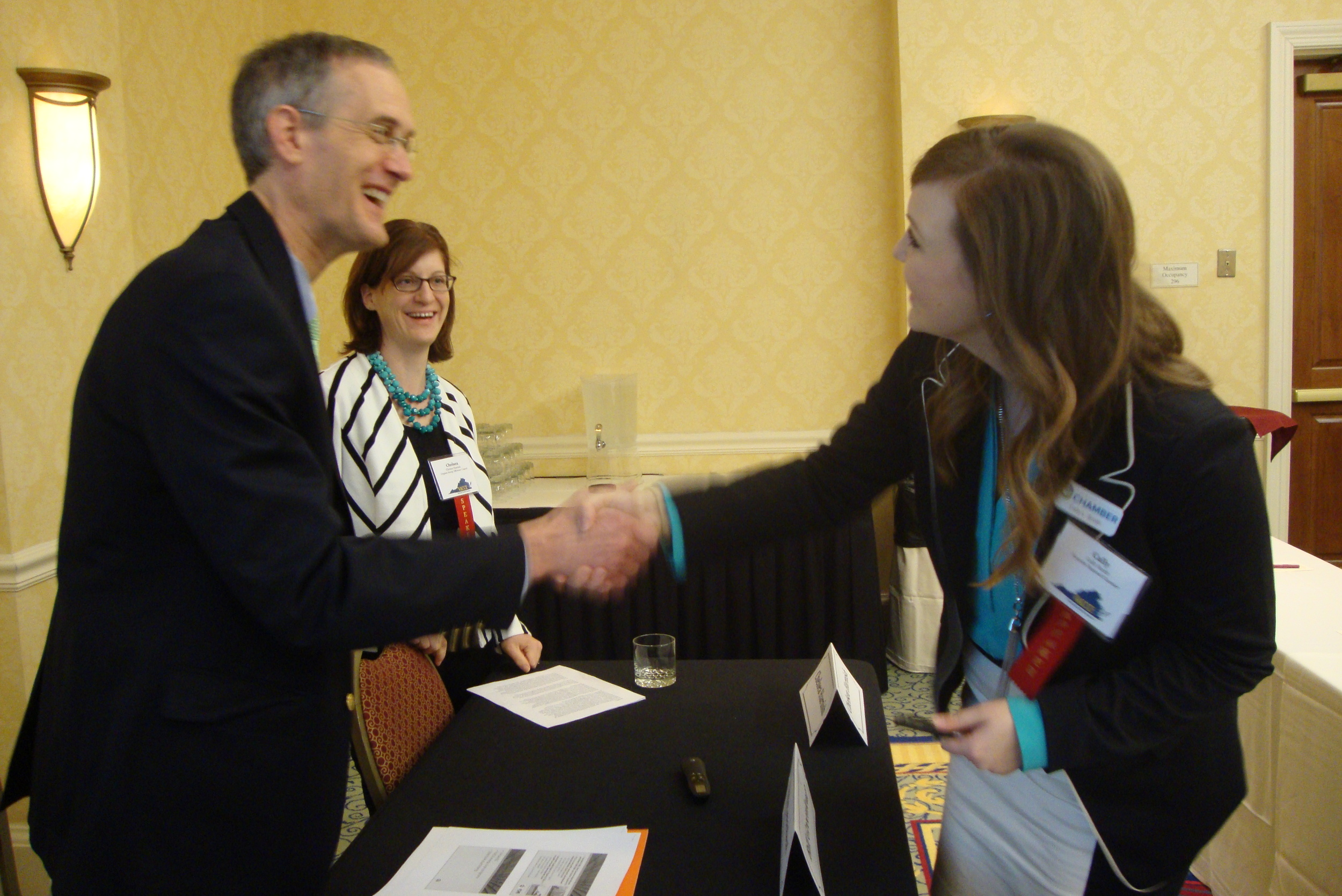
The economic opportunity of clean energy was also the subject of a conference session moderated by the Roanoke Regional Chamber that attracted leaders of the Arlington, Bedford, Franklin-Southampton, Harrisonburg, Loudon County, Reston, and Radford chambers.
"Our chamber was pleased to moderate this conversation to explore how local chambers can attract new members and help existing ones save money with clean energy,” said Cally Smith, Vice President of Membership & Brand Strategy for the Roanoke Regional Chamber of Commerce.
Following the conference, local chambers and member companies joined the Virginia Governor’s Advisor for Infrastructure and Development, Hayes Framme, for a conversation about the economic opportunities of clean energy. He invited chambers that want connect with the Virginia Division of Energy Agency to contact him at Hayes.Framme@governor.virginia.gov.
Tony Howard, President and CEO of the Loudoun County Chamber of Commerce, kicked off the conversation with examples of how his chamber is helping his member companies prosper in the clean energy space.
In other related Virginia business developments:
Microsoft announced an innovative public-private partnership with the Commonwealth and Dominion Virginia Power that will bring 20 megawatts of new solar energy, or enough to power 5,000 homes, onto the grid.
McAuliffe also recently announced that he believes Amazon, Google, and Microsoft will only do business in states that can provide renewable energy to power their operations.”
Chamber Support for Wind Energy Blows Across State Lines
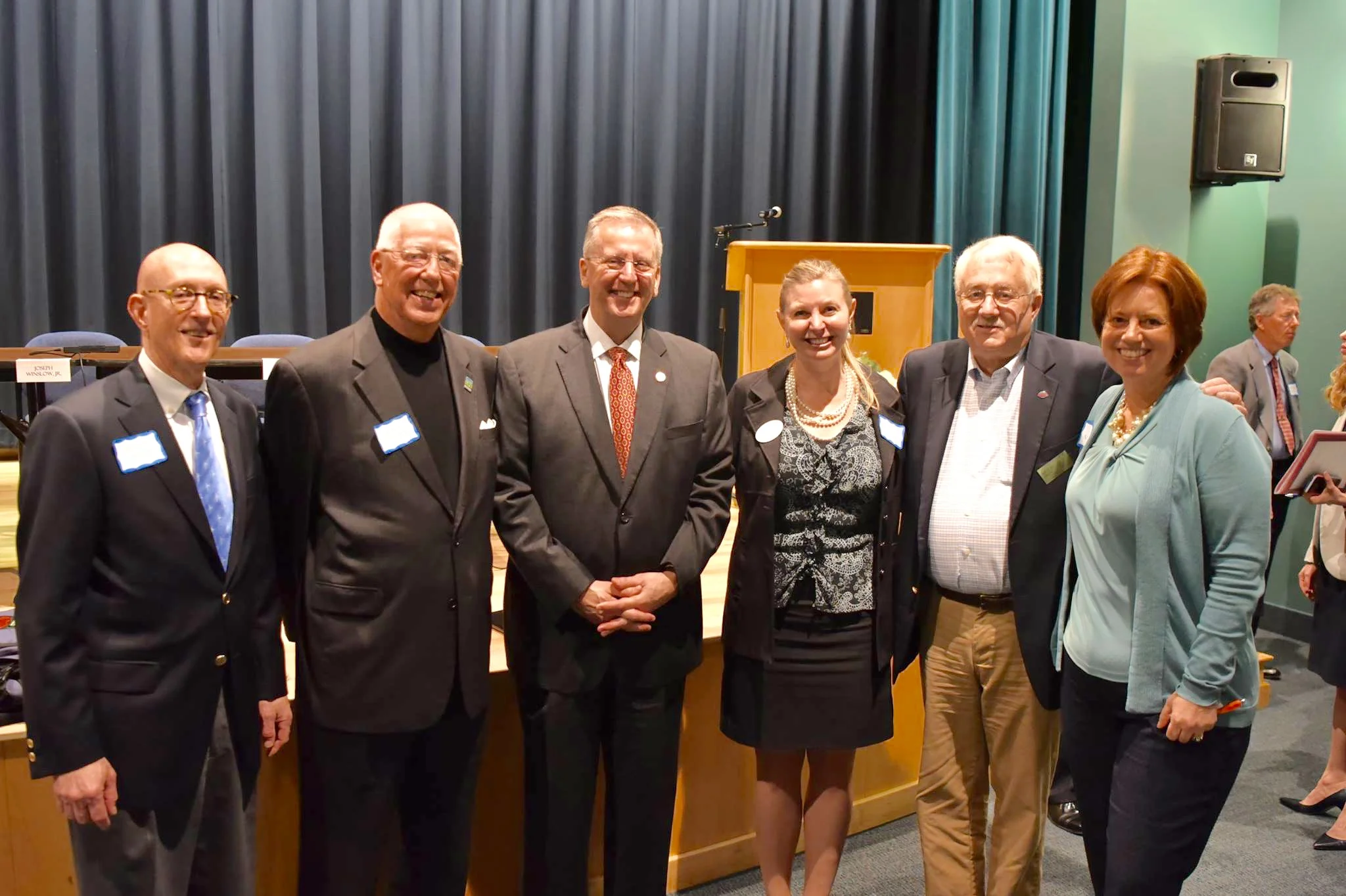
More than a dozen chamber and economic development leaders from the Tar Heel state, as well as South Carolina and Ohio, gathered to talk about the connection between wind energy and new jobs and investments in their communities. They were joined by NC Rep. Bob Steinburg (R) and more than 80 business and community leaders.
You know a project is good for economic development when chamber leaders cross state lines to support it—and that’s what happened around wind energy in North Carolina last week.
More than a dozen chamber and economic development leaders from the Tar Heel state, as well as South Carolina and Ohio, gathered to talk about the connection between wind energy and new jobs and investments in their communities. They were joined by NC Rep. Bob Steinburg (R) and more than 80 business and community leaders.
“My job is to support “buy local”, create jobs, and help the economy,” said Kelly Thorsby, Director of North Carolina’s Elizabeth City Area Chamber, which will soon be home to a new wind farm that will supply energy to Amazon and over $1 million annually to the local community. “And this project is doing all three.”
South Carolina’s Marc Jordan, President and CEO of the North Myrtle Beach Chamber, agreed, adding that he would like to see a friendly competition between North and South Carolina for renewable energy investments.
“It is about jobs, it is about quality of life,” said Jordan. “If you look in South Carolina, BMW, Boeing, and others have deadlines at which time they pledge to be 80 percent, 40 percent, 60 percent renewables.” That, he said, is why he is promoting offshore wind development in his community: because demand for renewables will only continue to grow.
Offering an Ohio perspective, Van Wert Area Chamber CEO Susan Munroe pointed to the ongoing benefits her community gains from development of a $600 million wind farm, including $2 million a year in new revenue for schools, high-paying jobs, and a new stream of income for area farmers.
“Beyond the huge initial investment, wind is a cash crop that reliably pays year after year, no matter what the conditions,” she said.
The event, which attracted about 80 public officials and business leaders, was organized by Chambers for Innovation and Clean Energy and the Southeast Area Wind Coalition.
Additional related media coverage can be found at the Virginian Pilot Online and the Daily Advance.
Learn more about the economic potential of wind development here.
Clean Energy: A Hot Topic at Annual Ohio Chamber Conference
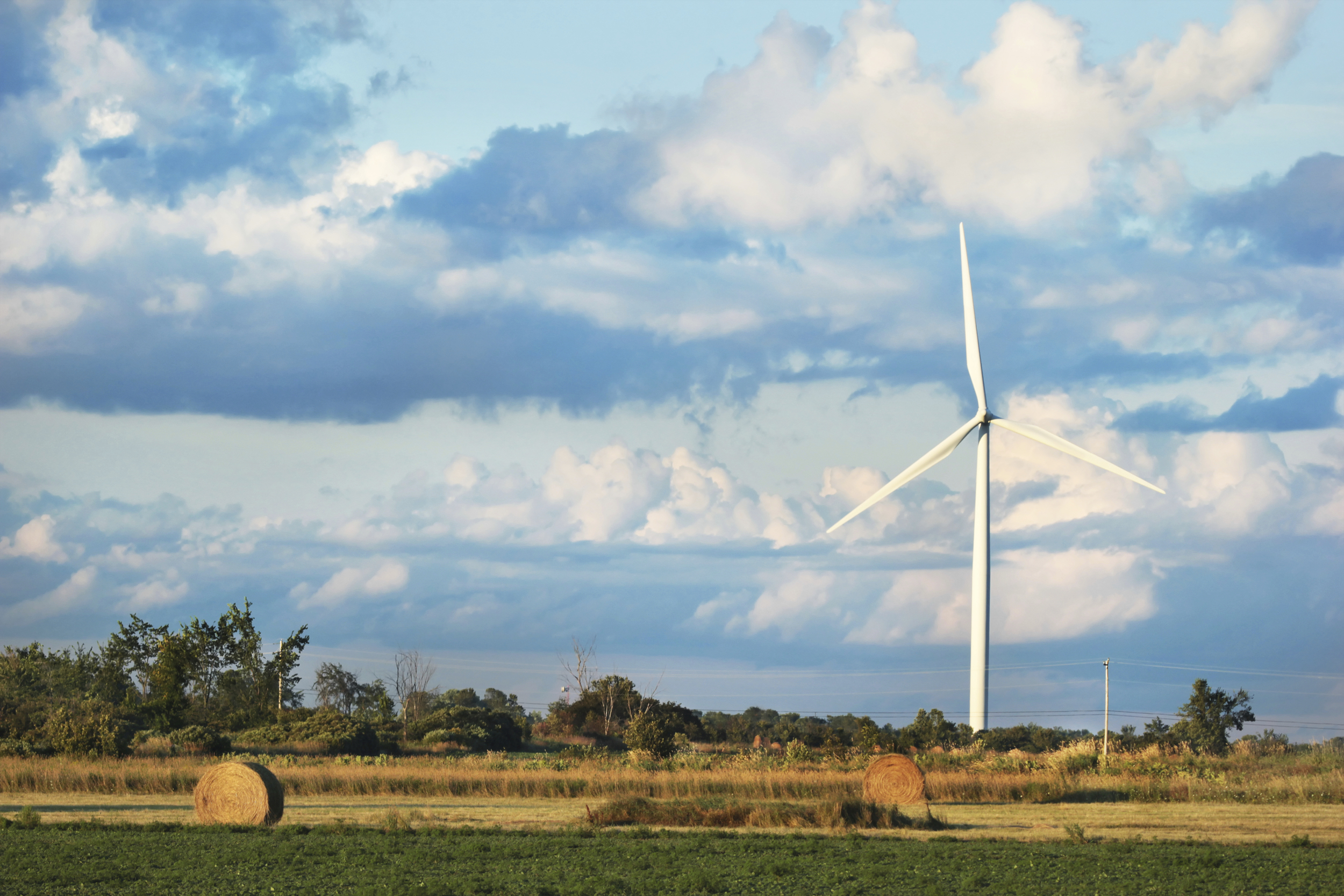
Chamber leaders demonstrated interest in state policies that support clean energy development. When asked in an informal survey if they agreed with Gov. Kasich’s recent comment that it is “unacceptable” for Ohio to maintain a freeze on renewable energy and energy efficiency standards, 90 percent of chamber leaders said yes.
“Igniting Chambers for the Future” was the theme of the meeting of Chamber of Commerce Executives of Ohio last month—and clean energy was one hot topic.
Sen. Portman’s Office kicked off the lunchtime speakers by talking about the economic benefits of energy efficiency and the Energy Savings and Industrial Competitiveness Act.
“This bill helps give employers more tools to save money,” Sen. Portman’s General Counsel Stephen White told chamber leaders. “It incentivizes private sector ideas while making the U.S. government adopt energy-saving measures.”
Chamber leaders also demonstrated interest in state policies that support clean energy development. When asked in an informal survey if they agreed with Gov. Kasich’s recent comment that it is “unacceptable” for Ohio to maintain a freeze on renewable energy and energy efficiency standards, 90 percent of chamber leaders said yes.
Table-to-table speed-meeting sessions followed in which Van Wert Chamber CEO Susan Munroe shared the many ways that wind energy has benefited her community.
“Wind development brings $7 million in new tax revenue—100 percent of which stays in Van Wert,” Munroe said. “Wind development brings $2 million a year to our schools, and $4 million cash crop to local farmers.”
On day two, leaders gathered for a special Chambers for Innovation and Clean Energy session to learn more about the economic opportunities of clean energy.
“Energy efficiency has an immediate return on investment,” said Nicole Stika, Senior Director Energy Services for the Council of Smaller Enterprises (COSE). “As soon as you flip the switch, you see savings.” COSE, part of the Greater Cleveland Partnership, offers programs to help chambers and members save on energy upgrades and costs.
Mickey Mouse and the Orlando Chamber on Energy Innovation
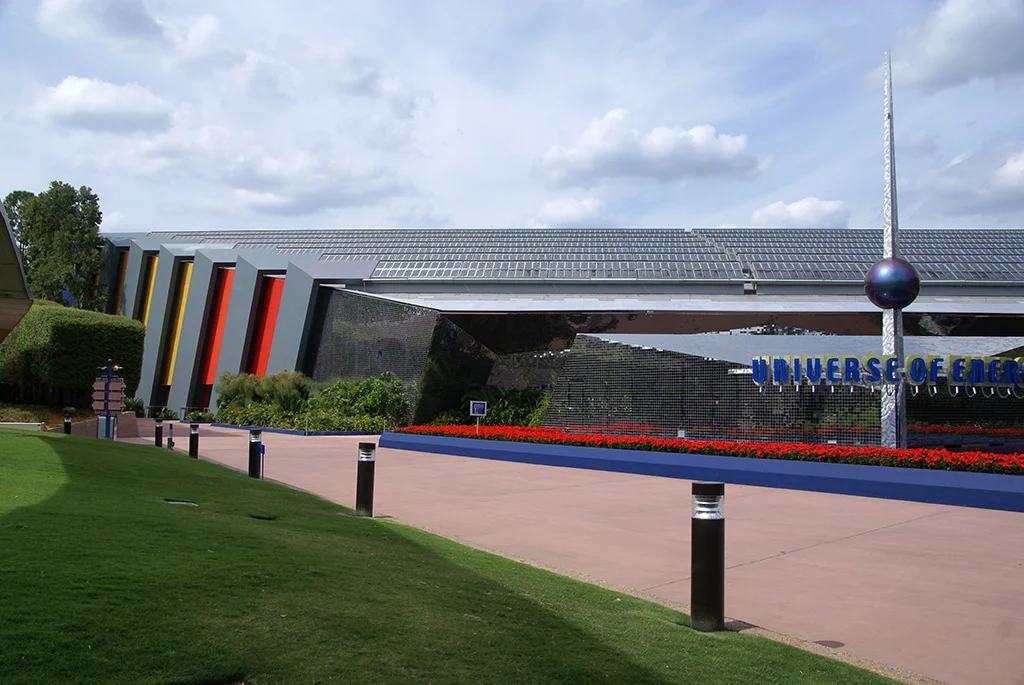
Disney World and Duke Energy announced plans last fall for a new solar farm that will bear an uncanny resemblance to none other than Mickey Mouse. But the Magic Kingdom (which is about twice as large as Manhattan and attracts some 52 million visitors a year) is not alone in its embrace of energy innovation.
In recent years, Orlando, Inc. (the Orlando Regional Chamber) has been working some of its own magic as a leader in energy efficiency—saving money, boosting economic development, and attracting other chambers that want to follow suit.
Leave it to Orlando, which boasts the world’s most popular vacation resort, to find some creative—if not downright magical—ways to benefit from clean energy and energy innovation.
Disney World and Duke Energy announced plans last fall for a new solar farm that will bear an uncanny resemblance to none other than Mickey Mouse.
But the Magic Kingdom (which is about twice as large as Manhattan and attracts some 52 million visitors a year) is not alone in its embrace of energy innovation.
In recent years, Orlando, Inc. (the Orlando Regional Chamber) has been working some of its own magic as a leader in energy efficiency—saving money, boosting economic development, and attracting other chambers that want to follow suit.

What motivates the chamber is a simple dollar-and cents analysis, said José A. Fajardo, Executive Vice President of Orlando, Inc.
“We recognize that energy efficiency not only reduces expenses, but also increases the asset value of our building, uses our resources efficiently, and reduces public health costs. And all of that creates investment money that can go back into the business community.”
Scott Fagan, the chamber’s Chief Operating Officer, estimates the chamber saves about $800 a month in energy costs since installing new efficient technologies. The local utility made the upfront $25,000 investment, allowing the chamber to pay it back over five years, interest-free.
For its efforts, Orlando, Inc. also recently won a prestigious Energy Star rating, ranking it among the top 25 percent high-performance buildings nationwide. In collaboration with Orlando’s business community and city government, it also advances a citywide efficiency initiative known as the City Energy Project.
“I see the Orlando Chamber as a megaphone for the financial returns for energy efficiency,” Fajardo said, adding that the chamber uses events to demonstrate how efficiency can benefit his chamber colleagues from across the region.
“Seeing what we did helps other local chambers get the information that allows them to go back to their chambers and say: ‘If Orlando can do it, so can we.’”
Learn more about Orlando, Inc.’s electric car program and summit highlighting the bottom line impact of energy efficiency.

More Chamber Leaders Support Wind Energy
Citing what some have called the “staggering” economic benefits of wind energy, a growing number of local chamber of commerce leaders across the nation have publicly support wind projects in their communities over the past year.
Citing what some have called the “staggering” economic benefits of wind energy, a growing number of local chamber of commerce leaders across the nation have publicly support wind projects in their communities over the past year.
For example:
In South Carolina: Marc Jordan president and CEO of the North Myrtle Beach Chamber of Commerce and Convention and Visitors Bureau last week reported that an offshore wind development project in his community could result in $17 million in annual economic development and hundreds of new jobs.
“We can also begin to factor in utility costs that are projected to continue to rise over the next few years and into the future,” he wrote. “And as these monthly power bills increase and technology closes the gap on wind as a lower cost option, this form of renewable energy just makes sense.” (More.)
In Ohio: More than a dozen chamber presidents, economic development officials, and others signed a public statement in November supporting wind energy. They cited Iberdrola’s $600 million Blue Creek Wind Farm project that pays $2 million annually in local taxes and nearly as much in landowner lease payments. (Later this month, Apex Clean Energy is also expected to celebrate the ribbon-cutting on their development office for a $800-900 million Long Prairie Wind farm project in Van Wert.)
“We have seen wind energy deliver extraordinary economic benefits to several Ohio communities. We know more communities could benefit from wind energy,” they wrote. (More.)
And in Michigan, local chamber VP Chad Gainor from the windy “Thumb” region of the state urged policymakers to increase support of renewable energy business—and encouraged more chamber leaders to speak up for clean energy. In a letter to the editor published by The Huron Daily Tribuneand testimony to the state legislature, he wrote:
“Investing in efficient, renewable energy,” he wrote, “will build upon our manufacturing strength and skill, allow us to retool our factories, attract growing companies and jobs to Michigan, encourage innovation, and put Michigan workers back on the job.” (More.)
With the U.S. Department of Labor having recently forecast wind turbine technicians to be the fastest growing occupation in the country—and growing demand for renewables from major corporations—look for support from local chamber leaders to continue in the year ahead.

Top 10 Featured Chambers in 2015
Want to know which chambers of commerce led the way in driving the economic development benefits of clean energy in 2015?
They spanned the nation—from Massachusetts, North Carolina, and Florida to Ohio, Kansas, Michigan and Utah and many other states—in their support of important projects, policies, and programs. Here are some of our favorites.
Want to know which chambers of commerce led the way in driving the economic development benefits of clean energy in 2015?
They spanned the nation—from Massachusetts, North Carolina, and Florida to Ohio, Kansas, Michigan and Utah and many other states—in their support of important projects, policies, and programs.
In fact, we had a hard time choosing our “Top 10” this year. But here are some of our favorites:


Chamber Executives Line Up To Drive New Electric Vehicle
New England Chamber Executives got behind the wheel of the new Nissan electric vehicle at the recent New England Association of Chamber of Commerce Executives meeting (NEACCE) in New Hampshire. “I was surprised to experience how quiet the car was and how comfortable it was to drive,” said Roy Nascimento, President and CEO of the North Central Massachusetts Chamber of Commerce. “I was even more surprised to see how affordable it would be someone to get one.”
New England Chamber Executives got behind the wheel of the new Nissan electric vehicle at the recent New England Association of Chamber of Commerce Executives meeting (NEACCE) in New Hampshire.
Nissan provided the LEAF® for a fun Drive-and-Ride event and shared information about how chambers, cities, and companies were purchasing electric vehicles at a discount while no longer having to pay at the pump for gas.
“I was surprised to experience how quiet the car was and how comfortable it was to drive,” said Roy Nascimento, President and CEO of the North Central Massachusetts Chamber of Commerce. “I was even more surprised to see how affordable it would be someone to get one.”
Roy was not alone. And with state and federal incentives helping with the cost, local chambers can now purchase or lease electric vehicles at a fraction of the cost for a regular consumer.
The Greater Haverhill Chamber of Commerce took advantage of these reduced rates to lease an electric vehicle for one of their chamber executives. They also created a sponsorship program where member companies could pay to get their business logo on the car.
“Everyone gets excited when they see it,” said Stacey Bruzzese, President and CEO of the Greater Haverhill Chamber. “Not only has it more than paid for itself in gas savings and sponsorship dollars, but it has also gotten us a lot of press.”
Inspired by Greater Haverhill, many local Chambers are now looking into leasing electric vehicles, or getting a charging station to encourage more foot traffic to their businesses.
CICE organized the Drive-and-Ride event for NEACCE. If you would like to organize a similar event or learn more about getting a charging station at your chamber or leasing an electric vehicle, contact CICE’s Jessica Bergman at jbergman@sfchamber.com.

Denver Chamber Saves Money, Praised for Energy Efficient Leadership
In 2014, the city of Denver announced a plan to unlock $1.3 billion in savings from energy efficiency. The goal: boost the economy and maintain the city’s positive reputation.
In Denver, the most livable city in America, according to a Pew Research Center study, one organization now stands out as a leader on energy efficiency (and cost savings): the Denver Metro Chamber of Commerce.
In 2014, the city announced a plan to unlock $1.3 billion in savings from energy efficiency. The goal: boost the economy and maintain the city’s positive reputation.
109 building owners signed onto a challenge to reduce energy usage and cost savings—representing universities, courthouses, supermarkets, hotels, and offices.
And when city and county officials, including Denver Mayor Michael Hancock, came together to celebrate progress this October, the Denver Metro Chamber was identified and celebrated for its “showcase” leadership.
“From the solar and wind power on our roof to upgrading our HVAC and office electronics, we’ve cut our energy consumption by 30 percent,” said Chamber President and CEO Kelly Brough.
“Taking on these kinds of upgrades to save energy makes good sense as a steward of the environment and pays off in the long run when it comes to the dollars and cents of running an organization.”
In fact, the chamber projects energy savings of $40,000 a year as a result of their energy upgrades. And within seven years, they expect to have 100 percent payback on their investment. Learn more about what the Chamber did here.

Salt Lake Chamber Welcomes Creation of 7,000 New Solar Jobs
The Salt Lake Chamber is no stranger to the economic development benefits of energy efficiency and renewable energy. So they were happy, but not surprised, to learn that a record-breaking 7,000 new jobs would be coming to the state—thanks to new solar energy projects.
The Salt Lake Chamber is no stranger to the economic development benefits of energy efficiency and renewable energy. So they were happy, but not surprised, to learn that a record-breaking 7,000 new jobs would be coming to the state—thanks to new solar energy projects.

“Not everyone first thinks of Utah as a state that values energy efficiency and renewable energy,” said Ryan Evans, the chamber’s Vice President of Business and Community Relations. “But, viewing them through the lens of economic development, they are truly conservative issues in this state,” said Evans, who also serves as Executive Administrator of the Utah State Chamber.
Utah-based Vivint Solar, which Sun Edison has announced it will acquire, reported in late July that it will expand operations in Utah, adding an estimated 3,000 jobs over the coming decade. On the same day, California-based Solar City announced that it plans to open a regional corporate headquarters in Utah that is expected to create 4,000 jobs and bring $94 million in capital investment.
“As possibly the single largest job announcement made in one day in Utah’s history, this is definitely a great showpiece for solar energy,” Evans said.
The Salt Lake Chamber operates several clean energy initiatives of its own, including an Annual Clean Air Summit, Clear the Air Challenge, and a Clean Air Champions program. Additionally, the Chamber supports such programs as Rocky Mountain Power’s Watt Smart program for businesses, Salt Lake City’s Project Skyline, and other energy efficiency focused efforts in Utah.
“The chamber actively promotes energy efficiency and renewable energy,” Evans said. “They are important to the economy, help clear the air, and are helping to prepare Utah for what is expected to be the doubling of its population over the next 30 years.
“We have to meet that growth head-on,” he added, “and energy efficiency and clean energy are important tools for us to do so proactively.”

Local Chamber Urges Legislature to Increase Clean Energy
Action by Michigan Gov. Snyder and the legislature to increase clean energy in Michigan would benefit counties across the state—and is something local chambers of commerce and businesses should get behind. That is the message Chad Gainor, Vice President of the Harbor Beach Chamber of Commerce on Michigan’s east coast, is sharing with his colleagues, the news media, and policymakers in the state.
Action by Michigan Gov. Snyder and the legislature to increase clean energy in Michigan would benefit counties across the state—and is something local chambers of commerce and businesses should get behind.
That is the message Chad Gainor, Vice President of the Harbor Beach Chamber of Commerce on Michigan’s east coast, is sharing with his colleagues, the news media, and policymakers in the state.
Gainor voiced his position in a letter published in The Huron Daily Tribune. He also shared the message in written testimony to the state legislature.
Gainor says he knows first-hand how important clean energy is for economic development, as both a chamber executive and local entrepreneur. He also observes that the state’s clean energy policy has already:
- Generated nearly $3 billion in private-sector investment,
- Saved consumers money, and
- Reduced the cost of renewable and efficiency technologies.
But these gains, he says, are only the beginning. Strengthening the state’s clean energy standards and investing in more efficient, renewable energy would only mean more good news for the state, he says.
“Investing in efficient, renewable energy,” he wrote, “will build upon our manufacturing strength and skill, allow us to retool our factories, attract growing companies and jobs to Michigan, encourage innovation, and put Michigan workers back on the job.”
Gainor also noted that more large corporations are demanding access to renewable energy as a key requirement for locating data centers and other investments in the state. He added that “this is another reason businesses and chambers should get more engaged in the clean energy discussions.”
“We have a decommissioned coal power plant in Harbor Beach, surrounded by wind farms,” he wrote; “why can’t we have a renewable powered hi-tech data center in the Thumb?”

10 + Local Chambers in MA Join Solar Affinity Partnership
More than 10 local chambers of commerce in Massachusetts are partnering with EnergySage Inc. to offer their member businesses an innovative and user-friendly online solar marketplace to shop for solar power. For chambers, this is a new non-dues revenue program, with chambers receiving donations when their member companies install solar.
More than 10 local chambers of commerce in Massachusetts are partnering with EnergySage Inc. to offer their member businesses an innovative and user-friendly online solar marketplace to shop for solar power. For chambers, this is a new non-dues revenue program, with chambers receiving donations when their member companies install solar.
Chambers for Innovation and Clean Energy and EnergySage launched a partnership in 2014 for local chambers to help their member companies install solar panels more quickly while saving money.
Last year, the Metro South Chamber of Commerce in Brockton, MA, pioneered the partnership with EnergySage. In addition to making the program available for its member businesses, the Metro South Chamber decided to install solar panels on its own building, the location where Thomas Edison perfected one of his greatest lighting innovations in the late 1800s. The Cape Cod Chamber soon followed suit, offering the program to its member companies.
Chris Cooney, President and CEO of the Metro South Chamber, was the catalyst in helping nine additional local chambers participate in CICE’s EnergySage partnership.
“Lowering costs, saving time and creating local jobs is a winning combination that strengthens our member businesses and increases profits,” he said. “The EnergySage process makes it easy for businesses to receive multiple quotes instantly, learn about tax credits and explore potential long-term gains.”
The EnergySage Marketplace provides instant estimates of the costs and savings of solar with various financing options and the ability to include local companies in any price comparisons.
Diane Doucette, Executive Director of Chambers for Innovation and Clean Energy, applauded Cooney’s efforts in reaching out to other area chambers.
“We launched our partnership with EnergySage knowing that it was a ‘win-win’ for local chambers and their member companies,” she said. “Chris is an enthusiastic ambassador, turning our vision into a reality across Massachusetts.”
New participating chambers include: the Fall River Area Chamber of Commerce, Blackstone Valley Chamber, North Suburban Chamber, Neponset Valley Chamber, Nashoba Valley Chamber, Stoughton Chamber, Taunton Area Chamber, Greater Chicopee Chamber, and North Central Chamber.

Minnesota Chambers Focus on Clean Energy to Capitalize on Investment Gains
Minnesota’s early and continuing support for clean energy has created a strong economic advantage for the state that chambers of commerce and businesses need to continue to support. That was the message delivered to dozens of local chambers of commerce and their member businesses during a recent post-legislative briefing call hosted by the St. Paul Area Chamber of Commerce and Chambers for Innovation and Clean Energy.
Minnesota’s early and continuing support for clean energy has created a strong economic advantage for the state that chambers of commerce and businesses need to continue to support.
That was the message delivered to dozens of local chambers of commerce and their member businesses during a recent post-legislative briefing call hosted by the St. Paul Area Chamber of Commerce and Chambers for Innovation and Clean Energy.
“We have to stay engaged in clean energy policy,” Matt Kramer, President of the St. Paul Chamber, told fellow chamber leaders. “If we don’t stay focused on this, we’ll lose the enormous economic opportunity that renewable energy presents.”
“The Minnesota Legislature,” said Amanda Bilek, Government Affairs Manager for the Great Plains Institute, “recently made small but important changes in clean energy policy that will allow utilities to better recoup costs of distributed energy systems.”
“A new program,” she added, “will also boost commercial construction of facilities to produce advanced biofuels, renewable chemicals and biomass thermal energy from agriculture and forestry materials—and reduce the state’s dependence on imported petroleum products.”
Adam Sokolski, a Regional Market Structure & Policy Manager with Iberdrola Renewables, the second largest wind developer in the country, said it is important that the state uphold a predictable, multi-year policy to attract investors in the capital-intensive wind industry that brings significant tax revenue to the local economy.
Iberdrola operates five wind energy projects in the state that produce 550 megawatts of energy, Sokolski said—adding that there is much more potential to be reaped from Minnesota’s strong wind resources.
“Minnesota has the ability to be an exporter of electricity,” said Sokolski. “We could generate more electricity from wind than we could ever use in Minnesota. That’s a message that hasn’t been absorbed by the public yet.”

NC Lawmakers on How Renewable Energy Drives Economic Development
On a recent briefing call, North Carolina legislators told local chamber of commerce CEO’s and business leaders from across the state that new legislation (HB 332) intended to freeze existing renewable energy standards would negatively impact economic development.
On a recent briefing call, North Carolina legislators told local chamber of commerce CEO’s and business leaders from across the state that new legislation (HB 332) intended to freeze existing renewable energy standards would negatively impact economic development.
Renewable energy “is not about hugging trees and kissing unicorns,” said Rep. John Szoka (R-Cumberland). “It is about business, property rights and job creation.”
Rep. Szoka and Sen. Jeff Tarte (R-Mecklenburg) addressed more than 40 chamber leaders and business representatives during a May 29, 2015 briefing call cohosted by the Charlotte Chamber of Commerce and Chambers for Innovation and Clean Energy.
It was also reported on the call that a growing number of large businesses are insisting that renewable energy be available to power their facilities. For example, Apple, Google and Facebook recently sent a letter to North Carolina legislators emphasizing that the ability to access power from renewable energy is not merely a goal, but an expectation and that the current policies have provided “billions of dollars of in-state economic growth and thousands of jobs throughout the state.” (See letter). They also state that changes to the standards would “effectively create a barrier to the development of many new projects, and put a chill on investment.”
The lawmakers also briefed chamber leaders about two new bills intended to support further clean energy investment in North Carolina. Sen. Tarte is cosponsor of the North Carolina Energy Investment Act (Senate Bill 447), which would renew clean energy tax credit that is schedule to expire at the end of 2015.
“I’m a firm believer that tax credits and tax policy drive economic development,” Senator Tarte said, adding that clean energy investment offers a “pretty damn good investment in ROI” (return on investment.) An estimated $80 million in state incentives led to investments totaling $900.7 million in clean energy and energy efficiency in 2014, according to a recent report commissioned by the N.C. Sustainable Energy Association.
Rep. Szoka is cosponsor of the North Carolina Energy Freedom Act (HB 245), which would allow developers of renewable energy to sell power directly to customers rather than being required to sell it to utilities. Businesses—including Walmart, Cargill, Target, and North Carolina-based Lowes and Family Dollar—have also supported this direct access to renewable energy.
OH Lawmakers on How Wind Energy Bill Will Boost Economic Development
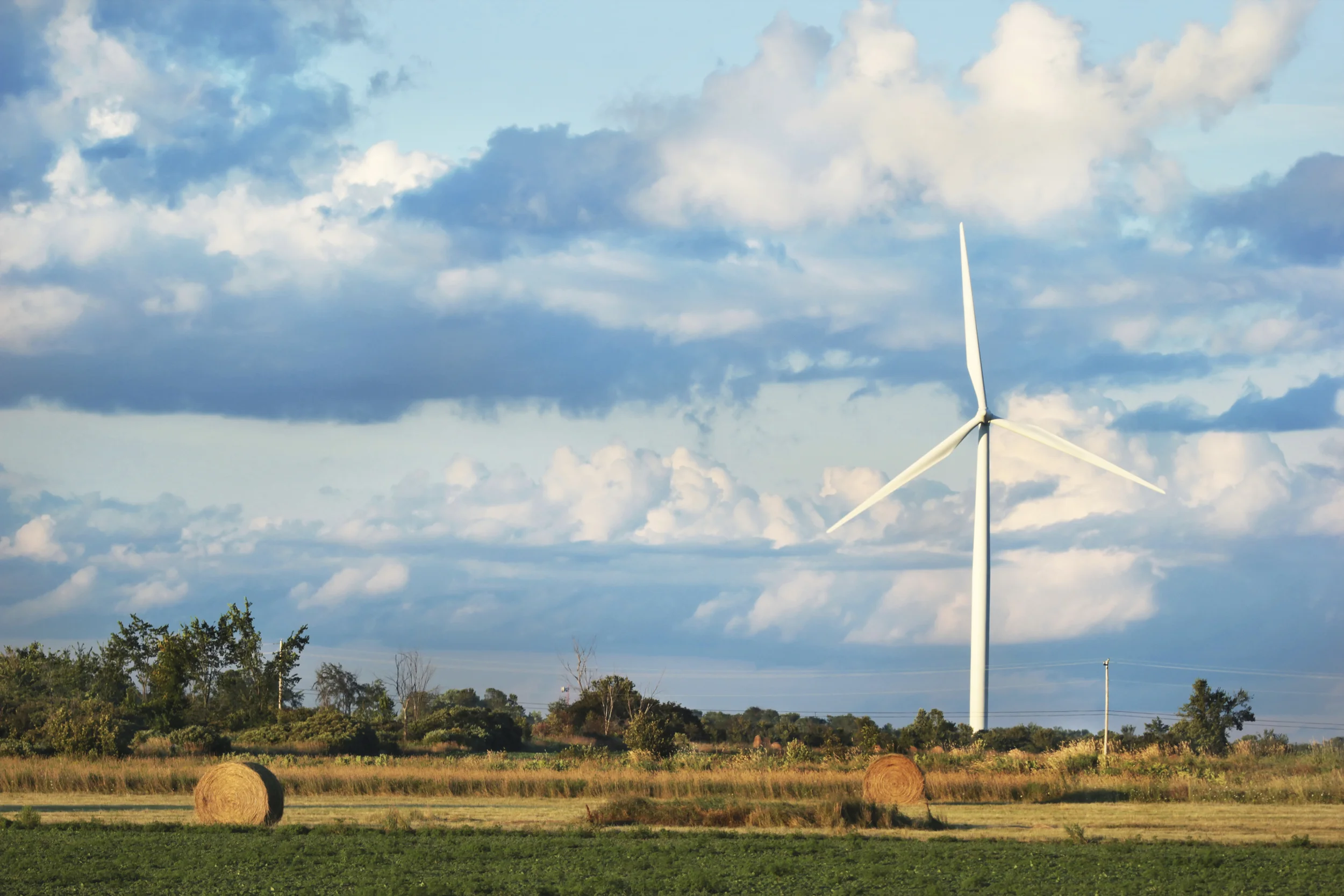
On a recent briefing call, Ohio legislators told local chamber of commerce leaders from across the state that new wind energy legislation would strengthen local efforts to attract and retain new businesses, improve local property tax bases, and save chamber members money.
On a recent briefing call, Ohio legislators told local chamber of commerce leaders from across the state that new wind energy legislation would strengthen local efforts to attract and retain new businesses, improve local property tax bases, and save chamber members money.
Rep. Tim Brown (R-Bowling Green) and Rep. Tony Burkley (R-Payne), cosponsors of a new bill (Ohio House Bill 190) that would put wind farm setback decisions in the hands of county commissioners, said the bill “promotes local control and increases flexibility for establishing renewable energy projects.”
“This is about jobs and economic development,” said Rep. Brown. “We do not want to limit Ohio to certain types of business or industry.”
The legislators spoke to local chamber leaders on a May 28, 2015 briefing call hosted by the Van Wert Area Chamber of Commerce and Bowling Green Chamber of Commerce. Eric Burkland, President and CEO of the Ohio Manufacturers Association (OMA), also joined the call to discuss how companies are saving money through energy efficiency. The OMA represents 1,292 manufacturing businesses across Ohio.
In 2014, the Ohio Legislature passed legislation freezing the state’s renewable energy standards and increasing the distance new wind turbines must be constructed from a neighboring property line. Since then, chamber leaders have been trying to protect wind investments in their communities, calling wind energy a boon for the economy.
For example, Blue Creek Wind Farms in Van Wert County pays $2 million annually in local taxes and nearly as much in landowner lease payments, with schools being the primary beneficiary of the local tax revenue, Susan Munroe, President and CEO of the Van Wert Area Chamber of Commerce, wrote recently in The Toledo Blade.
A growing number of businesses have also insisted that renewable energy be available to power their facilities. Amazon, Google and Facebook, which are building massive data centers around the country, recently released the following public statement: “As global companies providing services to consumers around the world from our operations in the state, a reliable, sustainable electricity supply is critical, and requires sourcing power from renewable energy. In fact, the right and ability to access power from renewable resources is not merely a goal, but an expectation.”
Reps. Brown and Burkley said their new bill would allow local county commissioners to establish tax and setback policies for proposed wind farms.
“We’re not going to force data centers on anyone and we’re not trying to force wind farms on anybody,” said Rep. Burkley. “But we want our local communities to be able to put together successful packages that can land these projects for the state of Ohio.”
Read recent coverage about business demand for clean energy in the Cleveland Plain Dealer.

Orlando Chamber Highlights Bottom Line Impact of Energy Efficiency
Nearly 200 local business leaders and city officials recently gathered in Orlando, Florida, to share insights into the economic development opportunities of energy efficiency in a summit co-hosted by the city’s regional chamber of commerce, Orlando, Inc.
“The summit allowed us to focus on the economic development strategies needed to unlock the value of building efficiency as a means to stimulate economic growth and improve Orlando’s competitiveness,” said José A. Fajardo, Executive Vice President of Orlando, Inc.
Nearly 200 local business leaders and city officials recently gathered in Orlando, Florida, to share insights into the economic development opportunities of energy efficiency in a summit co-hosted by the city’s regional chamber of commerce, Orlando, Inc.
“The summit allowed us to focus on the economic development strategies needed to unlock the value of building efficiency as a means to stimulate economic growth and improve Orlando’s competitiveness,” said José A. Fajardo, Executive Vice President of Orlando, Inc.
“Energy efficiency has the potential to attract new businesses and investment opportunities, create jobs and develop a model of innovative and pragmatic leadership for other cities and states to follow,” Fajardo added.
The 2015 Orlando Green Economy Summit: Improving Your Bottom Line Through Building Efficiency included remarks from Orlando Mayor Buddy Dyer, real estate leaders and senior executives from three of the world’s largest companies that recognize the economic opportunities in energy efficiency: Walmart, the world’s largest retailer; CBRE, the largest real estate services firm; and Siemens, the largest engineering and energy services company.
In a panel discussion, a range of local business leaders discussed the money they have saved by installing energy efficiency technology. The Nemours Children’s Hospital, for example, said it shaved about 2.5 percent off its $250,000 monthly electricity bill. And a local property developer reported on energy efficiency improvements that allowed residents to save about $100 a month on their utility bills.
Chris Castro, Senior Energy Advisory for the City of Orlando, said municipal leaders will continue to eliminate roadblocks to energy efficiency by:
- Enabling information about the energy and water use in buildings through energy benchmarking and energy audits;
- Unlocking new financing tools, such as Commercial PACE (Property Assessed Clean Energy);
- Unveiling a suite of workforce development training programs for building operators and technicians; and
- Working with local utilities to roll out a comprehensive energy management platform that will provide whole-building utility data, real-time consumption metrics, and new incentives and rebates to increase the adoption of building efficiency investments.
“These are core strategies to help our residents and businesses save money and prevent pollution,” Castro said, “but also create new high-tech, high-wage jobs and further diversify our local economy in Orlando.”
Battery Plant Brings Jobs to Former Philip Morris Site
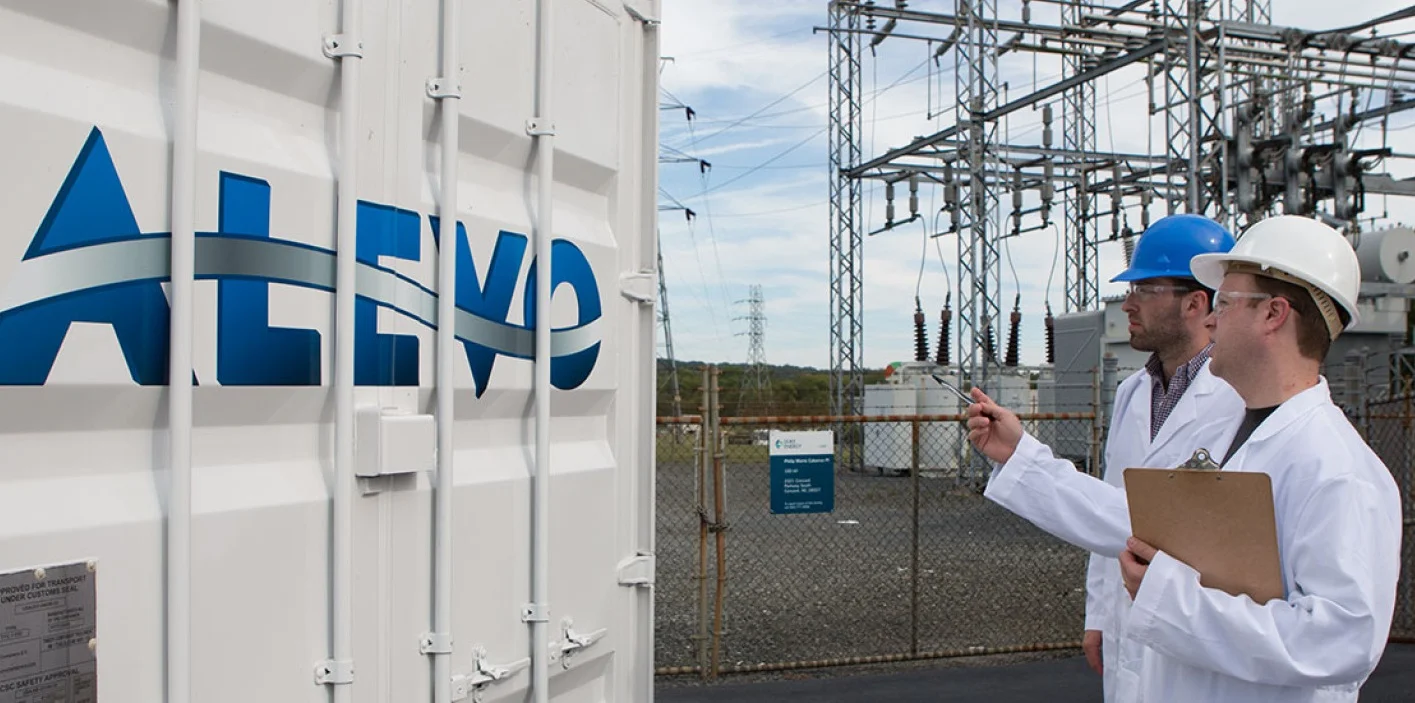
Alevo, a Swiss Energy Service Provider, purchased a former Philip Morris complex and plans to invest $1 billion to produce an innovative new battery technology that could prove a game-changer for the utility industry.
Five years ago, North Carolina’s Cabarrus County lost what was once the world’s largest cigarette factory, leaving a massive 2,500-job hole in the regional economy. But recently, Alevo, a Swiss Energy Service Provider, purchased the former Philip Morris complex and plans to invest $1 billion to produce an innovative new battery technology that could prove a game-changer for the utility industry.
“Alevo’s decision to locate here is the result of four years of hard work by a partnership of local business leaders, local, county and state economic development officials and the chamber,” said Patrick Coughlin, President of the Cabarrus Regional Chamber of Commerce. “This breakthrough battery technology will help our region continue to lead the country in the emerging clean energy economy,” Coughlin added.
Founded by Jostein Eikeland, a Norwegian entrepreneur who is credited with helping to develop cloud computing, Alevo plans to hire 500 people by the end of 2015 and reach employment level of 6,000 within three years.
The move adds to an impressive portfolio of major employers with clean energy priorities bringing their business to Cabarrus County. Recently, Amazon, which has a commitment to achieve 100 percent renewable energy usage in its global infrastructure footprint, also announced it will locate a new data center in Cabarrus.
Alevo, which purchased the 2,100-acre campus for $68 million without state or local incentives, is dedicated to solving what it describes as one of the world’s greatest energy challenges: the ability to store electricity and deliver it when and where it is needed.
Eikeland told local reporters that the company plans to begin production of energy reservoirs known as GridBanks that store and deliver electricity on demand across the grid. Alevo says its product will also help utilities implement more solar and wind generation by capturing power when it is generated and storing it for later use.