
CHAMBERS IN ACTION
Local chambers across the country are taking the lead in creating and convening clean energy conversations, best practices, events and advocating on local policy.

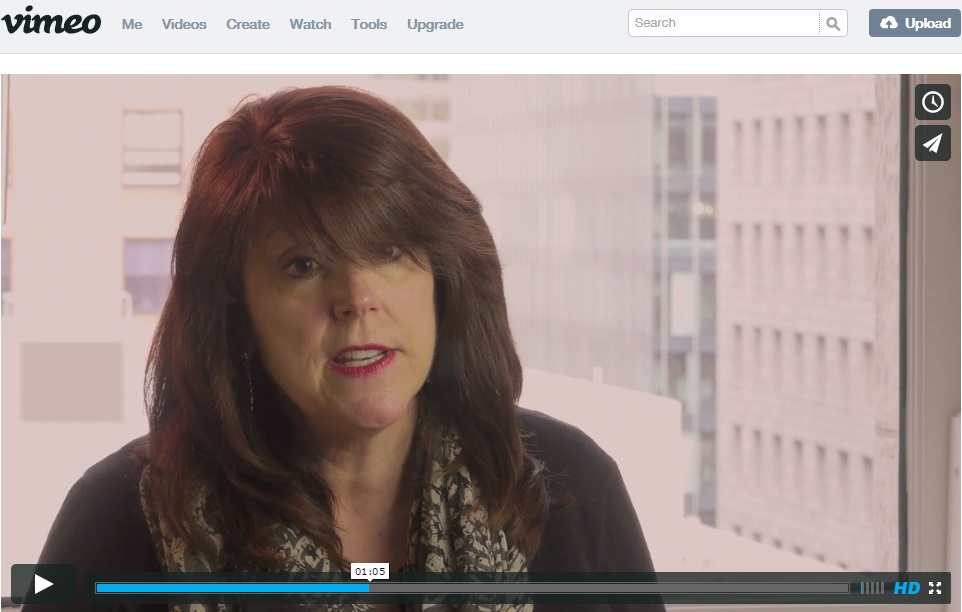
VIDEO: Greater KC Chamber, Innovation and Clean Energy
Cathy Bennett, Vice President of Public Policy and Programming at the Greater Kansas City Chamber of Commerce, discusses how clean energy and energy efficiency have helped drive economic development in her community.
Chambers for Innovation and Clean Energy is proud to launch a new video series featuring local chamber leaders engaged in energy innovation across the nation.
In our first interview, Cathy Bennett, Vice President of Public Policy and Programming at the Greater Kansas City Chamber of Commerce, discusses how clean energy and energy efficiency have helped drive economic development in her community.
Click on the image to watch the video. And stay tuned for more.
Dover, NH, Chamber Takes Leadership Role on Energy Options
Like many other regions of the country, New England is facing an uncertain energy future. Electricity rates have skyrocketed in recent years and businesses, homeowners, utilities and policy makers are trying to determine a way forward.
In New Hampshire, which has been particularly hard hit by rising energy prices, the Greater Dover Chamber of Commerce decided that it had a key role to play as a convener for a conversation about the state’s energy future.
Like many other regions of the country, New England is facing an uncertain energy future. Electricity rates have skyrocketed in recent years and businesses, homeowners, utilities and policy makers are trying to determine a way forward.
In New Hampshire, which has been particularly hard hit by rising energy prices, the Greater Dover Chamber of Commerce decided that it had a key role to play as a convener for a conversation about the state’s energy future.
In particular, the chamber has been helping economic development officials explore whether Dover could become a pilot municipality for a planned commercial property assessed clean energy (C-PACE) program, and plans to request that the state’s Regional Greenhouse Gas Initiative (RGGI) funds be focused on clean energy.
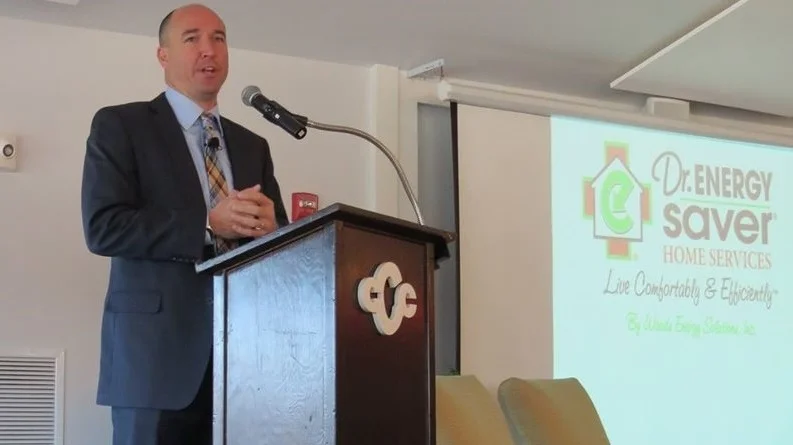
As a first step in initiating the energy conversation, the chamber hosted a forum titled “New Hampshire’s Energy Future: Issues and Challenges, Solutions and Strategies.” Molly Hodgson, the Chamber’s Executive Director, said the event was hugely successful.
“We had a rich, robust conversation with more than 100 people and a panel with great experts,” she said. “We targeted our outreach to people in the energy space and filled the room with people we do not typically see at a Chamber event.”
Among the many outcomes, Hodgson said, were commitments by the Chamber’s Government Affairs Committee to engage with the state Legislature on energy issues, especially Regional Greenhouse Gas Initiative funding for clean energy.
Hodgson also said that she connected an economic development official with one of the panelists, Laura Richardson, Executive Director of the Jordan Institute, to discuss if Dover could become a pilot municipality for (C-PACE).
C-PACE programs help commercial, industrial and multi-family property owners obtain affordable financing for energy upgrades to their buildings through voluntary assessments on their property bills.
“Over the last several months, we’ve learned a great deal about how our community can work together toward a goal of reliable, renewable and affordable energy,” Hodgson said. “Our chamber is committed to playing a leadership role in this critical conversation.”
Dearborn Chamber Makes Energy Connection Henry Ford Would Appreciate
It should come as no surprise perhaps that Dearborn, Michigan—home to Henry Ford and the Ford Motor Company, which revolutionized America by making cars accessible to everyday Americans—should have a chamber of commerce that grasps the appeal of energy efficiency and clean energy to everyday businesses.
It should come as no surprise perhaps that Dearborn, Michigan—home to Henry Ford and the Ford Motor Company, which revolutionized America by making cars accessible to everyday Americans—should have a chamber of commerce that grasps the appeal of energy efficiency and clean energy to everyday businesses.
Just ask Jackie Lovejoy, President of the Dearborn Area Chamber of Commerce, and a native of Michigan with deep family roots in Dearborn.
Her members may not ask about clean energy by name, she says. But “if you ask how often members ask me how to cut their energy bill, save money, or take advantage of energy efficiency rebates, the answer is, all the time!”
Since joining the Dearborn Area Chamber 18 months ago, Lovejoy has been a champion for saving money by reducing energy waste—leading the way in helping her members save through energy efficiency and clean energy.
One of the chief ways she is doing this is by making the connection between all the assets the city has to offer from the business community, the utility, and the City itself to help Dearborn businesses save on energy costs.
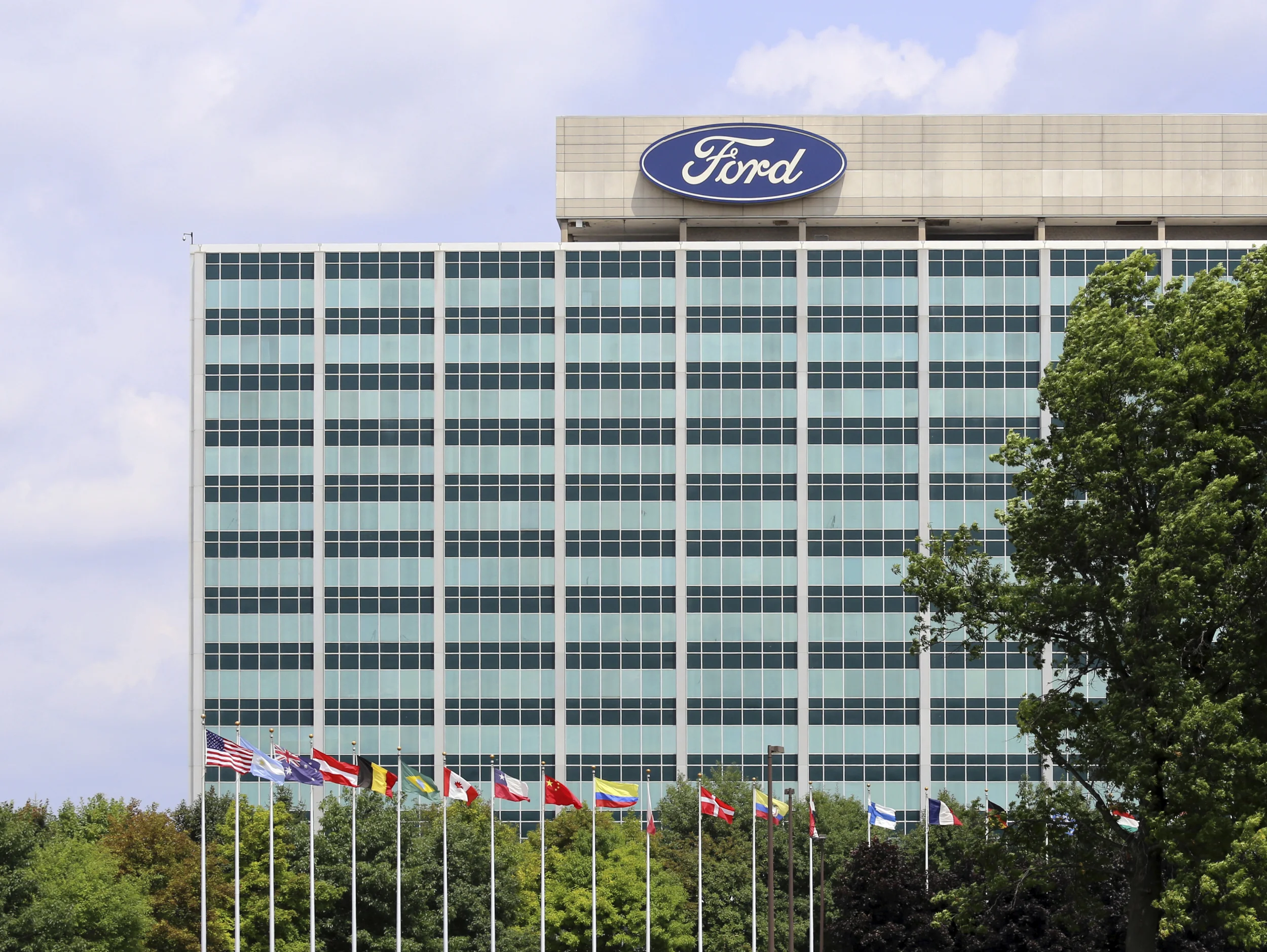
Dearborn’s business community includes the international headquarters of Ford Motor Company, the Henry Ford Museum, and FordLand, Ford’s real estate arm. Dearborn is also home to LED lighting companies and solar companies such as Srinergy.
Among the energy resources—and chamber members—Lovejoy highlights are:
- DTE Energy offers energy saving programs and rebates and has worked with Ford Motors to build Michigan’s largest solar array, the second largest solar carport in the Midwest. Funded by DTE Energy, the project will provide 360 covered parking spaces and 30 charging stations for plug-in electric vehicles.
“The SolarCurrents canopy project is an example of how DTE Energy and Ford are working to build a more energy-efficient and sustainable future,” said Irene Dimitry, DTE Energy Vice President of Marketing and Renewables. “At the same time, this project will help us come closer to meeting Michigan’s renewable energy goals and diversify our energy portfolio.”
The program allowed DTE Energy electric customers to purchase and install solar photovoltaic systems at their home or business by offering financial incentives to help offset out-of-pocket costs.
- The City of Dearborn (through the leadership of Dave Norwood, attorney and Dearborn Sustainability Manager and formerly head of the City’s Building Department) provides significant leadership in deploying LED lighting and financing for energy upgrades through property assessed clean energy (PACE), while exploring of ways to convert waste to energy.
- Finally, The Dearborn Country Club, a property inspired by Ford, which has benefited from energy retrofits made possible by Michigan Saves, a nonprofit dedicated to making energy improvements easier for Michigan energy consumers. After installing LED lighting, the Country Club is estimated to save about $43,000 a year in energy costs. (Please let us know if you want to learn more about this Michigan Saves program for your members.)
We think Dearborn’s own Henry Ford would have been proud.

Gov. Granholm Urges Chambers on Benefits of Clean Energy
Former Michigan Governor Jennifer M. Granholm recently urged local chambers of commerce to speak out about the economic benefits of clean energy, saying that local business leaders have the influence needed to advance the issue around the country.
Former Michigan Governor Jennifer M. Granholm recently urged local chambers of commerce to speak out about the economic benefits of clean energy, saying that local business leaders have the influence needed to advance the issue around the country.
“The chambers can drive policy changes,” Granholm told a recent gathering of Chamber CEOs and businesses organized by Chambers for Innovation and Clean Energy. “You are the power. You can make the change. This is all about the business community driving the train.”
Granholm was Michigan’s first female governor and served in that role from 2003-2011. She is one of the nation’s leading authorities on clean energy and economic development. During her tenure as governor, Michigan brought in almost 4,000 companies or expansions projected to create 653,000 jobs.
Under her leadership, Michigan also was repeatedly named one of the top three states in the nation for business locations or expansions and was twice recognized by The Pew Center on the States as one of the best-managed states in the nation. She is now sharing what she learned with national audiences to catalyze America’s clean energy transition.
“The private sector is a more powerful player at this moment than the public sector,” Granholm told the chamber leaders. “I can tell you as a former Governor, you are the people that policymakers listen to. It is the business community that will make the difference on policy changes in the states.”
Many companies, she also pointed out, are already playing a leadership role in America’s transition to cleaner energy. Facebook, Google and Amazon have all pledged to use 100 percent renewable energy to power massive data centers they are establishing nationwide.
Granholm also spoke about the Clean Energy Jobs Race, a nationwide proposal to create manufacturing jobs and develop clean energy clusters. As a model, Granholm pointed to the Race to the Top, a $4.35 billion national program that drew the participation of 48 state governments and led to new standards for high school education in each state.
The Clean Energy Jobs Race would have the federal government provide another $4.5 billion to be divided among states that enable themselves to exceed standards for renewable energy. “If you said to the states: Exceed your EPA goals to receive a piece of this pie, every governor would do it,” Granholm said.

Local MN Chamber Helps Businesses Save on Clean Energy
Matt Kramer, President of the St. Paul Area Chamber of Commerce in Minnesota, knows what his member businesses need—and how to help them find it:
“Our members are looking for ways to improve their operational efficiency and bottom line,” said Kramer. “And financing clean energy is often a critical part of the equation, empowering business to make improvements that drive real savings.”
Matt Kramer, President of the St. Paul Area Chamber of Commerce in Minnesota, knows what his member businesses need—and how to help them find it:
“Our members are looking for ways to improve their operational efficiency and bottom line,” said Kramer. “And financing clean energy is often a critical part of the equation, empowering business to make improvements that drive real savings.”
That is why the St. Paul Area Chamber, in collaboration with five other Minnesota organizations, recently hosted a popular event, called The Business of Saving Energy, in which it shared how businesses are improving their bottom line with energy efficiency and renewable energy projects.
The event, which demonstrated how businesses in eligible cities may access long-term, low-cost financing and rebates for up to 100% of project costs, with the potential for positive cash-flow, was organized in partnership with the Great Plains Institute, Metro CERT, Saint Paul Port Authority, White Bear Avenue Business Association, and Xcel Energy.
“Minnesota is fortunate to have a wealth of resources available to help businesses save energy—including rebates, financing, or other low or no-cost assistance programs,” said Amir Nadav, Program Manager at the Great Plains Institute. “Our goal is to help businesses navigate the clean energy opportunities and identify the ones that meet their needs.”
Minnesota is one of approximately 30 states that have passed legislation empowering communities to establish PACE, or Property Assessed Clean Energy, financing programs. These programs help businesses take advantage of energy savings by providing low-cost financing on upfront installation costs.
Specifically, PACE financing programs allow property owners to install renewable energy or energy efficiency projects that are paid for over their functional life through a property tax assessment. PACE financing programs also offer businesses with a positive cash flow on energy retrofits, lower energy bills, and reduced vulnerability to volatile energy prices.
Among the highlights of the event:
- Jill Curran, Executive Director of the Minnesota Waste Wise Foundation, a nonprofit affiliate of the Minnesota Chamber of Commerce, moderated a panel on local business clean energy investments.
- Wellington Management, a commercial real estate firm that owns and manages more than 90 properties, highlighted their recent rooftop solar investment, funded in part through PACE financing.
- The St. Paul Port Authority, which has financed over $33.5 million in energy efficiency and renewable energy projects, briefed businesses on the suite of programs they administer, including PACE and the Trillion BTU Energy Efficiency Loan Program.
- Speakers from two St. Paul suburbs, Oakdale and Maplewood, reported on the outcomes of a project with the Great Plains Institute to identify ways to support more local business energy-saving projects.

KS Chambers Support Renewable Energy at Critical Time
Three significant chambers of commerce along with economic development leaders that represent more than 50 Kansas companies are encouraging more local chambers and economic development organizations to join them in speaking out about the detrimental economic impact that would result from legislative efforts to end the state’s renewable portfolio standard.
Three significant chambers of commerce along with economic development leaders that represent more than 50 Kansas companies are encouraging more local chambers and economic development organizations to join them in speaking out about the detrimental economic impact that would result from legislative efforts to end the state’s renewable portfolio standard.
The Greater Kansas City, Hutchinson/Reno County, and Greater Topeka chambers recently posted an online letter that they are asking local Kansas chambers and economic development organizations to sign onto by noon Central Time on Tuesday, March 10, 2015. These chambers are leading the charge in collaboration with the Harvey County Economic Development Council and Dodge City Ford County Development Corporation.
The joint letter states that existing renewable portfolio standards for energy production in the state has proved to be a pro-growth policy with minimal costs.
Referring to House Bill 2373 and Senate Bill 253, which would eliminate the standard by January 1, 2016, the letter goes onto say: “Elimination or reduction of the RPS will risk hampering the ability of Kansas to aggressively compete for, and win, projects from any industry currently conducting a site location search nationally.”
Observing that economic development professionals recognize that sites offering some portion of energy generated from renewable resources are considered to be more competitive, the letter cites the Mars Chocolate facility in Topeka as an example of a business established due, in part, to the state’s goals for renewable energy. “Many large companies like Facebook, Microsoft, and Google are now looking to locate their data centers where they can be powered by renewable energy,” it adds.
The current RPS requires the state’s major utilities to obtain a steadily increasing proportion of their power from renewable sources.
Among the businesses represented by the groups opposing HB 2373/SB 253 are wind farm developers and service providers; manufacturing companies such as Siemens Wind Energy; research and educational institutions such as K-State and Cloud County Community College; engineering, architecture and consulting firms; construction firms, contractors, and small wind and solar dealers engaged in the renewable energy economy.
Defending Kansas’ successful renewable energy policy is not new to these business leaders. The Kansas Legislature’s prior efforts to end the policy have failed every time– due in large part to the strong voice of the business community, including local chambers that recognize the economic benefits of clean energy development to the state. Local chambers in Kansas, and across the country, are keenly aware of how clean energy policies, such as renewable energy standards, are helping drive local economic development and investment.

In Coal Country, WV Chamber Builds Focus On Energy Efficiency
The Charleston Area Alliance, an economic development giant that includes the Charleston Regional Chamber of Commerce, is promoting a vision for 2030 that predicts the region will be nationally recognized for “developing and commercializing innovative energy technologies.”
Coal was first discovered in West Virginia in 1742. In the intervening centuries, it famously became one of the largest drivers of the state economy.
Today, however, the Charleston Area Alliance, an economic development giant that includes the Charleston Regional Chamber of Commerce, is promoting a vision for 2030 that predicts the region will be nationally recognized for “developing and commercializing innovative energy technologies.”
The vision 2030 document is designed to inspire area business and public policy leaders to develop an economy that “provides sustainable jobs for Kanawha Valley residents while simultaneously meeting megatrends of the future.”
And even though the West Virginia legislature recently decided to end its renewable energy law, the Charleston Alliance is determined to continue to develop its leadership in energy efficiency. To that end, the Alliance late last year hosted the second annual summit meeting on energy efficiency during which participants identified key priorities for 2015, including establishing a Property Assessed Clean Energy program and requesting that property appraisers include energy efficiency in their appraisals.
Charleston, the state’s capital and largest city, is located in Kanawha Valley in the western portion of the state, an area rich in coal. The 2030 vision document recognizes its history as a leading coal producer.
“There is no question the energy industry is a vital part of the West Virginian and Kanawha Valley economy,” the Alliance wrote in the energy section of the seven-part strategic plan: “While perhaps most widely known for its heritage in coal and later natural gas, West Virginians also understand the challenges fossil fuels pose both in the mining and sequestration of their carbon dioxide byproduct.”
The need to manage the business risk associated with resources and energy was most recently punctuated for Charleston during the Elk River Chemical spill in early 2014. It was estimated that the contamination cost the area $61 million in lost output over four days.
With that reality, the area’s business leaders agreed that the future requires a diversified energy portfolio that begins with energy efficiency. To begin implementing its vision for creating a “culture of conservation,” the Alliance has primarily worked with the area’s largest utility, Appalachian Power, and Energy Efficient West Virginia, a not-for-profit founded in 2009 after electricity rates jumped by 43 percent.
Emmett Pepper, Executive Director of Energy Efficient West Virginia, describes energy conservation as a core way for businesses to control costs and cap risks. “We have a great deal of room for growth and for enterprise in helping to provide energy efficiency,” Pepper said. “We’re working with utilities to bolster their energy efficiency programs and with the Legislature to help put in place policies that will help make businesses more energy efficient.”
Pepper said plans are also underway for year two of Energy Efficiency in the East End (E4), a creative competition designed to boost energy efficiency at the residential level.

L.A. Area Chamber Casts Energy Efficiency in Starring Role
The Los Angeles Area Chamber of Commerce may have just celebrated its 127th inaugural dinner, but it is also putting a spotlight on what the future of economic development looks like in the second most populated city in the nation. In recent months, the chamber has partnered with a movie studio, major utility, and a leading university to help the City of Angels seize the benefits of energy efficiency.
The Los Angeles Area Chamber of Commerce may have just celebrated its 127th inaugural dinner, but it is also putting a spotlight on what the future of economic development looks like in the second most populated city in the nation. In recent months, the chamber has partnered with a movie studio, major utility, and a leading university to help the City of Angels seize the benefits of energy efficiency.
Recognizing energy efficiency as an economic development opportunity that creates jobs and saves consumers money, the chamber threw its support behind the Los Angeles Department of Water and Power in 2014 as the utility announced the most ambitious energy efficiency goal by a major municipal utility nationwide. The plan is to reduce energy demand by 15 percent by the year 2020, exceeding a 10 percent goal set by the state.
The chamber also supported a 2014 University of California Los Angeles report, “Efficiently Energizing Job Creation in Los Angeles,” which documents just how significant the job-growth benefits of energy efficiency are.
Based on an analysis of 18 energy efficiency programs administered by the L.A. Department of Water and Power, the report concluded: “Compared to other energy sector investments such as solar, natural gas, and smart grid infrastructure, energy efficiency produces the largest number of job-years per public dollar invested.”
In collaboration with AT&T and the U.S. Department of Energy’s Better Buildings Challenge, the chamber hosted a sustainability leadership event that presented member businesses in this extreme drought state with tools and resources to help them save on water and energy.
And in true Hollywood style, the Better Building Challenge hosted an awards ceremony recognizing CBS Studios, Kaiser Permanente, and other businesses for energy innovation.
“Our members are using energy efficiency to inform their business plans and save money,” said Director of Public Policy, Frank Lopez. “In fact, our members appreciate our efficiency programs so much that they have asked for more.”
This year, the L.A. Area Chamber plans to expand its energy efficiency efforts by working with its water agency members to incorporate water efficiency offerings into its programming. Adds Lopez: “It’s a win-win for local economic development and the environment.”

Cleveland Chamber Launches Innovative Leasing Program
COSE is taking another great leap forward in helping local businesses maximize the economic development opportunities of energy efficiency. In collaboration with the Institute for Market Transformation and Cleveland 2030, COSE has introduced a novel leasing program that increases smart commercial lease solutions for building owners and tenants to invest in—and benefit from—energy efficiency in the City of Cleveland.
As the small business arm of the Cleveland Partnership—one of the largest metropolitan chambers of commerce in the nation—the Council of Small Enterprises (COSE) has long recognized the value of helping its member businesses save money through energy efficiency.
Since 1999, COSE has helped companies reduce their energy consumption, negotiate lower energy rates, and improve their bottom lines. In 2014 alone, it helped member businesses save $4 million through utility rebates and reduce overall energy use by 54 million kilowatt hours.
Now COSE is taking another great leap forward in helping local businesses maximize the economic development opportunities of energy efficiency. In collaboration with the Institute for Market Transformation and Cleveland 2030, COSE has introduced a novel leasing program that increases smart commercial lease solutions for building owners and tenants to invest in—and benefit from—energy efficiency in the City of Cleveland.
“Our ultimate goal is to transform our downtown and offer both landlords and tenants a positive return on energy efficient investment,” said Nicole Stika, COSE’s Senior Director of Energy Services. “This is a critically important conversation, and it needs to start somewhere. The chamber is the ideal place to do that.”
COSE introduced this new high performance lease program in November at a roundtable discussion that focused on how to use leasing terms to encourage behaviors that reduce energy use in buildings and save money for owners and tenants.
It is a breakthrough solution for the lack of mutually beneficial incentives for building owners and tenants to reduce energy use. If a tenant pays for energy use, the landlord has little incentive to invest in efficient equipment. At the same time, since the tenant does not own the lighting, heating, cooling and ventilation systems, they have no incentive (or ability) to invest in efficiency upgrades. The result is that neither party takes the initiative to perform energy-saving improvements. In commercial rental properties, this “split incentive” problem and lack of tenant engagement strategies frequently limits the adoption of energy efficiency solutions.
In what could be a model for the nation, energy aligned leases overcome this obstacle by establishing incentives, fostering information sharing, and encouraging landlords and tenants to collaborate on the efficient use of energy and other resources.

Lansing Chamber Promotes Low-cost Energy Efficiency Loans
The Lansing Regional Chamber of Commerce, in partnership with the nonprofit Michigan Saves, is offering zero percent loans to companies that want to invest in energy efficiency.
“Reducing energy waste is among the fastest ways for a business to add money to its bottom line,” said Tim Daman, President and CEO of the Lansing Chamber. “And you cannot beat zero percent financing!”
The Lansing Regional Chamber of Commerce, in partnership with the nonprofit Michigan Saves, is offering zero percent loans to companies that want to invest in energy efficiency.
“Reducing energy waste is among the fastest ways for a business to add money to its bottom line,” said Tim Daman, President and CEO of the Lansing Chamber. “And you cannot beat zero percent financing!”
The Business Energy Financing program offers two-year loans of up to $50,000 to finance energy-efficient lighting, refrigeration, heating and cooling, and other improvements. It is administered by Michigan Saves, a nonprofit dedicated to making energy improvements easy and affordable.
“Chambers of commerce are ideal partners because they are always looking for ways to help their member companies, and they are trusted sources of information with deep roots in their communities,” said Executive Director Mary Templeton.
The Lansing chamber, which is promoting the region as a revitalized center of energy-efficient manufacturing, recently announced the partnership to it its member companies, urging them to take advantage of the opportunity to save on energy costs.
The Dearborn Country Club, a property inspired by Henry Ford, is one example of a company that has benefited from energy retrofits made possible by Michigan Saves. After installing LED lighting, Michigan Saves estimates that the club will save an estimated $43,000 a year in energy costs.
“It just made sense,” the club’s general manager, John Matway has said. “When we factored in the rebates from the utility companies and how much energy we would save, the board knew it was a good decision.”
Elsewhere in Michigan, the Traverse City Area Chamber of Commerce, in partnership with Traverse City Light and Power, has also expanded a loan program to help local businesses reduce electricity consumption and lower utility bills. The program offers a $200,000 Energy Efficiency Revolving Loan Fund and—in yet another sign of growing interest in energy efficiency—already has a waiting list of companies seeking loans.
Local MN Chamber Keeps the Iron Range “Heartbeat” Strong
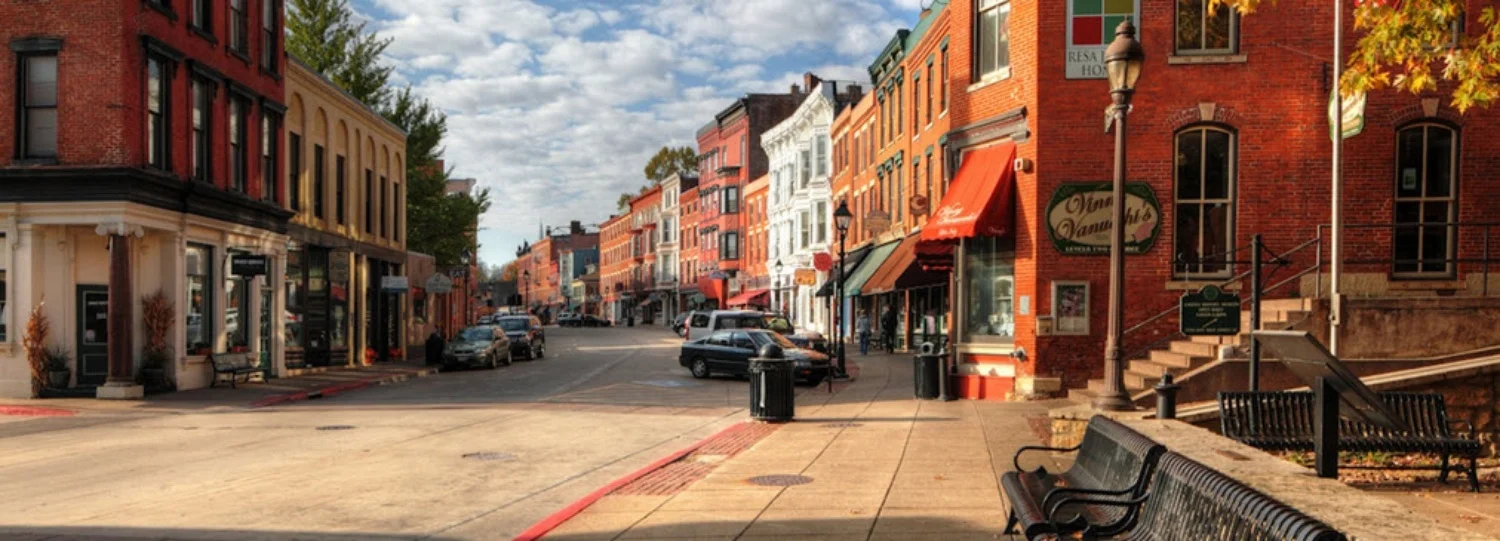
With a deep knowledge of her community, marketing and public policy, Lory Fedo has for 24 years successfully led the Chamber of Commerce in Hibbing, Minnesota, a regional center of government, health care, professional services and education surrounded by some of the world’s largest iron mines.
With a deep knowledge of her community, marketing and public policy, Lory Fedo has for 24 years successfully led the Chamber of Commerce in Hibbing, Minnesota, a regional center of government, health care, professional services and education surrounded by some of the world’s largest iron mines.
In fact, Fedo and the Hibbing Area Chamber of Commerce describe their hometown as the “heartbeat of Minnesota’s Iron Range,” the arrow-shaped northeastern corner of Minnesota. More than 75,000 people live within a 60-minute drive to Hibbing, which is also the town where singer-songwriter Bob Dylan grew up in the 1950s.
Fedo is an integral part of keeping that heartbeat going. In recent years, she has introduced a variety of programs at her chamber, ranging from Good to Grow, launched in 2014 to promote new economic development, to Business Energy Retrofit, an energy efficiency program that has already raised millions for the Hibbing area.
Ask Fedo what she most enjoys about her job and she quickly responds, “creating meaningful programs and not being afraid to try out a variety of things.”
Having begun her career in the Office of to the Governor, Fedo maintains a deep interest in public policy. She has had the opportunity to meet at least four Presidents of the United States and just last month, partnered with the Minneapolis Regional and Saint Paul Area chambers to cohost a luncheon to discuss the state’s leadership in clean energy innovation and economic development.
Fedo developed a keen interest in energy in 2008, after the national recession hit her community hard and utility rates skyrocketed. Concerned about the impact from utility rates on the smaller businesses that comprise most of her membership, she convened a group of members to work on energy issues.
After fully exploring their options, the chamber developed and launched their own program in partnership with the Iron Range Resources and Rehabilitation Board and the Arrowhead Economic Opportunity Agency. Business Energy Retrofit is a one-stop shop approach to support efficiency retrofits.
In just three years, it has raised $3.6 million for the Hibbing Area, and Fedo plans to grow and expand the program in the year ahead.
For Fedo, the chamber’s energy work is just another part of keeping the heartbeat of the Hibbing community healthy.

New England Chamber Helps Manufacturer Reap Big Benefits from Solar
No one needs to tell Jack Lank, President of the United Regional Chamber of Commerce in Massachusetts, how important renewable energy has become to his member companies.
Winter in New England this year is once again a bracing one that has sent energy costs soaring. Lank estimates that, across the 16 communities served by United Regional, his members are facing a 37 percent increase in electricity costs this season.
No one needs to tell Jack Lank, President of the United Regional Chamber of Commerce in Massachusetts, how important renewable energy has become to his member companies.
Winter in New England this year is once again a bracing one that has sent energy costs soaring. Lank estimates that, across the 16 communities served by United Regional, his members are facing a 37 percent increase in electricity costs this season.

“The reality is hitting right now for my business owners,” said Lank. “Sometimes a small business owner is so buried in the details of running his operation that when they see these energy bills hit, they say, “Holy guacamole, what are we going to do now?”
But with a little help from its chamber, one member company recently became a model for how businesses can slash energy costs through renewable energy—even in the energy-intensive manufacturing industry.
Craft, Inc. is a fourth-generation manufacturer of specialty hardware that was paying $8,000 to $10,000 a month in energy bills. But in true entrepreneurial spirit, they wanted to be more self-sufficient and generate their own power, a company spokesperson told The Sun Chronicle.
Lank took the initiative to connect Craft executives to another member business, US SolarWorks that would install approximately 1,200 solar panels on the Craft plant. The result, as the company reports on its website: “Collectively [the panels] are generating enough power to fully run our factory while still depositing energy back into the grid.”
As for the economic savings: Craft expects to break even on the investment within five years—and save $2.7 million in energy costs over 25 years—Eric Roy, co-owner an president of Craft, Inc. told The Sun Chronicle.
Their success, helped made possible by the chamber’s introduction, has already inspired four other local companies to turn to solar power, according to Lank.
“For our chamber,” he added, “the future has to be about renewable energy.”

MN Chambers Meet with State Officials on Energy Innovation
Minneapolis Regional, Saint Paul Area, and Hibbing Area chambers of commerce cohosted a lively luncheon last week, putting a spotlight on Minnesota’s leadership in clean energy innovation and economic development.
Minneapolis Regional, Saint Paul Area, and Hibbing Area chambers of commerce cohosted a lively luncheon last week, putting a spotlight on Minnesota’s leadership in clean energy innovation and economic development.
The event brought together a public-private brain trust, including representatives from 15 local chambers, Governor Dayton’s cabinet, Senator Franken’s office, the St. Paul Port Authority, local utilities Xcel Energy and District Energy, Iron Range Resources & Rehabilitation Board, Iberdrola Renewables, and Chambers for Innovation and Clean Energy.
“Every one of our members is an energy consumer,” said Matt Kramer, CEO of the St. Paul Chamber. “If we can help our members save, it puts them and our region at a competitive advantage—nationally and internationally.”
Todd Klingel, CEO of the Minneapolis Chamber, said his members care deeply about clean energy opportunities. Many are generating energy offsite, launching new clean energy business models, or implementing efficient business operations.
Lory Fedo, President of the Hibbing Chamber, spoke about the Business Energy Retrofit program her chamber spearheaded to help members struggling with high utility bills.
Through a one-stop-shop approach, members can get a building energy audit and financing for efficiency improvements. More than 80 businesses have been awarded grants and loans between 2013 and 2015, driving $3.6 million worth of new clean energy investments.
The St. Paul Port Authority also highlighted its statewide clean energy financing, which could help fund the state’s estimated $200 million in clean energy project potential. “We can back any energy project in the state of Minnesota; and in 80% of the cases, ours will be the cheapest financing,” said Peter Klein, Vice President of Finance for the Port Authority.
Yet despite strong clean energy growth in Minnesota since 2000, the state still spends $13 billion annually to import fossil fuels for energy. Robin Sternberg, a member of Governor Dayton’s cabinet, shared her goal for bringing public and private sectors together to change this equation. “Instead of giving money [for energy] to other states, we can work together to invest more in our own business communities,” Sternberg said.
Salt Lake Chamber & Gov. Office Make Business Case for Clean Air
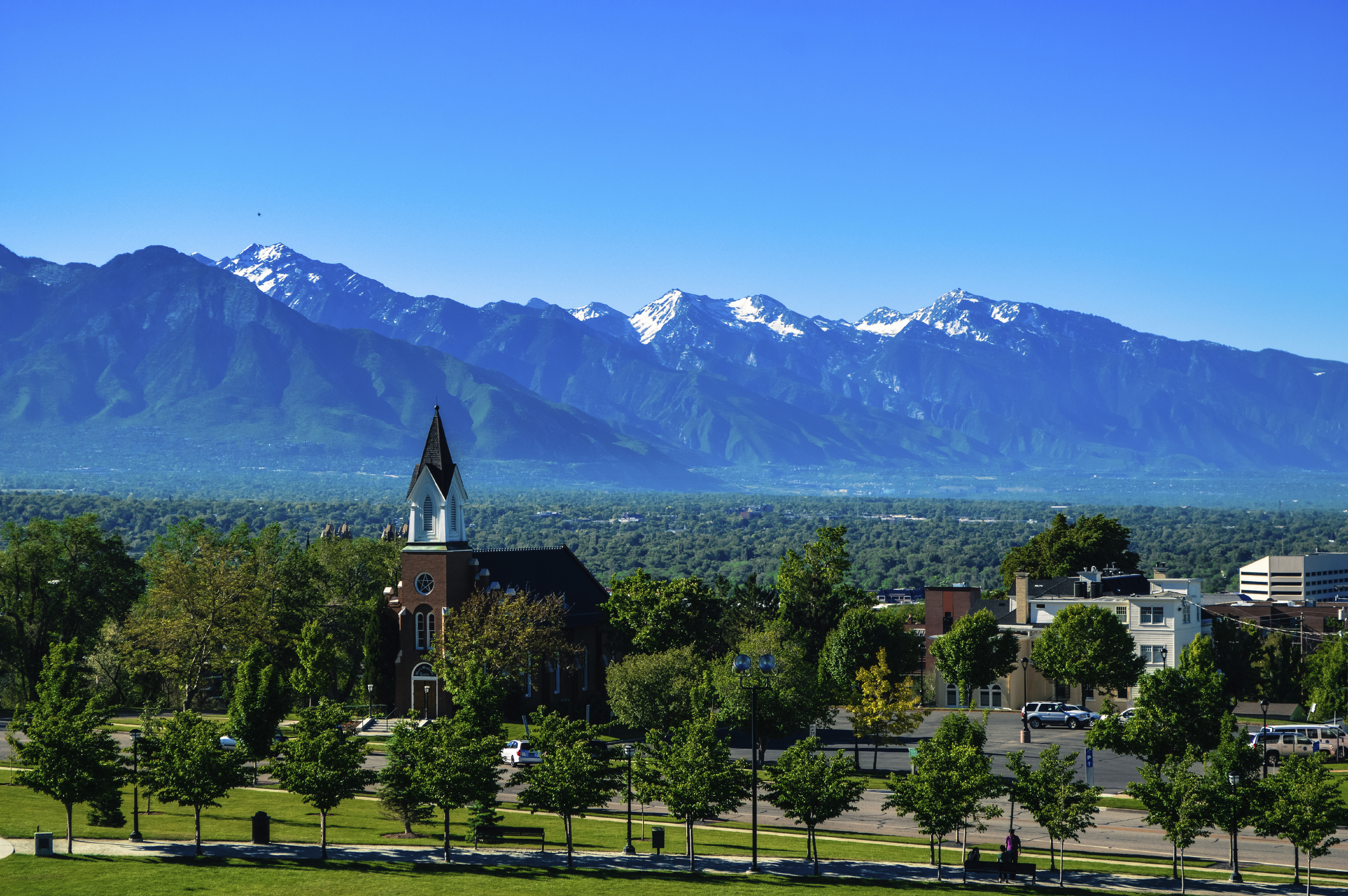
The Salt Lake Chamber kicked off its 4th Annual Clean Air Summit – bringing together top business leaders, a senior advisor to Governor Herbert, and former Salt Lake City Mayor Ted Wilson – to make the business case for clean air.
The Salt Lake Chamber kicked off its 4th Annual Clean Air Summit last week – bringing together top business leaders, a senior advisor to Governor Herbert, and former Salt Lake City Mayor Ted Wilson – to make the business case for clean air.
The event made clear that clean air is a key economic development issue and a top public policy priority for the chamber. Speakers agreed that improving the air quality is critical to attracting and retaining residents and businesses, and to keeping Utah’s economy strong.
“Everyone knows that clean air is important for healthy communities. It’s also important for healthy economies. So we are working with important stakeholders to make clean air a priority economic development issue,” says Chris Lee, president of Deseret Digital Media and chair of the Salt Lake Chamber’s Clean Air Task Force.
The Salt Lake Chamber is encouraging local businesses to become Chamber Clean Air Champions. One chamber member, Intermountain Healthcare, shared how they are using energy efficiency to save money and reduce local health risks associated with poor air quality. The company closely monitors its buildings’ energy use and implements economical facility improvements.
Salt Lake City suffers from high pollution levels especially in the winter months when cold air traps warm air (and pollutants) near the valley floor. The Salt Lake Chamber supports many efforts to reduce pollutants including fuel and vehicles standards, alternative fuel vehicles and infrastructure, building efficiency measures, and options to expand mass transit funding.
Former Mayor Ted Wilson, who leads the Utah Clean Air Partnership, highlighted grants and loans local businesses can use for energy technology upgrades.
More coverage appears in Utah Business and The Desert News.

Expect Bi-partisan Agreement on Energy Efficiency in 2015
Recently, local chamber leaders from across the nation engaged in a lively discussion with high-level bipartisan experts about what recent election results will mean for clean energy and economic development in 2015.
The upshot: Advancing energy efficiency is not only good for the bottom line, as a growing number of chamber leaders have recently discovered, it appears to be the way of the future for both business and all levels of government.
Recently, local chamber leaders from across the nation engaged in a lively discussion with high-level bipartisan experts about what recent election results will mean for clean energy and economic development in 2015.
The upshot: Advancing energy efficiency is not only good for the bottom line, as a growing number of chamber leaders have recently discovered, it appears to be the way of the future for both business and all levels of government.
“I think you will see a variety of states that will move on energy efficiency in significant ways” in the years ahead, said former Colorado Gov. Bill Ritter, Jr., the founder and director of Colorado State University’s Center for New Energy Economy.
There is also likely to be a push for energy efficiency on the federal level, said Daniel Martini, senior legislative assistant and counsel to Congressman Charlie Dent (R-PA) on energy, environment and natural resources. “We see strong bipartisan opportunities to promote energy efficiency nationwide,” Martini said, adding that the federal government is the largest building-owner in the country. He also mentioned that the Department of Defense energy efficiency projects on military bases should continue to garner bipartisan support.
Fortune 500 companies, such as Honeywell, Johnson Controls, and United Technologies, are increasing their focus on efficiency, said Erin L. Lane, vice president of Cascade Associates, a Washington, D.C.-based governmental affairs consulting firm. And the savings are significant. For example, Walmart’s commitment to make a 20 percent reduction in energy use by 2020 is expected to save the world’s largest employer more than $1 billion annually.
Addressing chamber and business leaders, Lane added, “You have to think about your bottom line; and energy efficiency, in particular, certainly affects the bottom line.”
The discussion, organized by Chambers for Innovation and Clean Energy (CICE) was moderated by Angelique Espinoza, director of public affairs and public policy, at the Boulder Chamber of Commerce.
In recent years, many local chambers have recognized energy efficiency as the cheapest and fastest solution to meet the growing energy needs of America’s entrepreneurs—and launched projects that help their businesses save money.
Chambers for Innovation and Clean Energy will convene its next briefing, the 2015 Clean Energy Investment Forecast Call, in early 2015.

New Chamber Solar Program Sparks Interest
It’s not only the Patriots who are attracting excitement in New England these days.
The New England Association of Chamber of Commerce Executives (NEACCE) held a lively session in Foxborough, Mass., this month on a new solar program that can score big wins for chambers and their member companies.
It’s not only the Patriots who are attracting excitement in New England these days.
The New England Association of Chamber of Commerce Executives (NEACCE) held a lively session in Foxborough, Mass., this month on a new solar program that can score big wins for chambers and their member companies.
More than 80 chamber leaders engaged with clean energy experts at NEACCE’s annual conference held at Patriot Place, adjacent to the home of the three-time Super Bowl champions.
Chamber executives heard about a new program designed to save member companies time and money when installing solar. In return, local chambers receive a donation (or, as we say in chamber world, non-dues revenue) every time a company signs up for solar through the program’s online marketplace. Chambers can also help local solar installers reach more customers by having them added to the innovative marketplace.
Chambers for Innovation and Clean Energy presented the NEACCE session in collaboration with EnergySage and the New England Clean Energy Council.
Chamber leaders and energy experts also discussed job growth, new finance opportunities, what businesses are doing around energy efficiency and clean energy, and what to expect from clean energy in 2015.
The new Solar Savings Program, a partnership between Chambers for Innovation and Clean Energy (CICE) and EnergySage, offers chambers a way to give their member businesses quick and easy options for putting solar on their commercial or residential buildings.
In Massachusetts, the Metro South Chamber of Commerce, the region’s oldest and leading economic development and business advocacy organization, is currently considering installing solar on its own office, located in the historic Thomas A. Edison building.
Creating Change by Having Conversations with Policy Makers
As respected leaders in their communities, chambers of commerce often serve a critical role as conveners for important conversations between their member companies and federal, state and local policy leaders. In addition to often being newsworthy, these discussions are also critical steps in ensuring that policies benefit local economic development.
As respected leaders in their communities, chambers of commerce often serve a critical role as conveners for important conversations between their member companies and federal, state and local policy leaders. In addition to often being newsworthy, these discussions are also critical steps in ensuring that policies benefit local economic development.
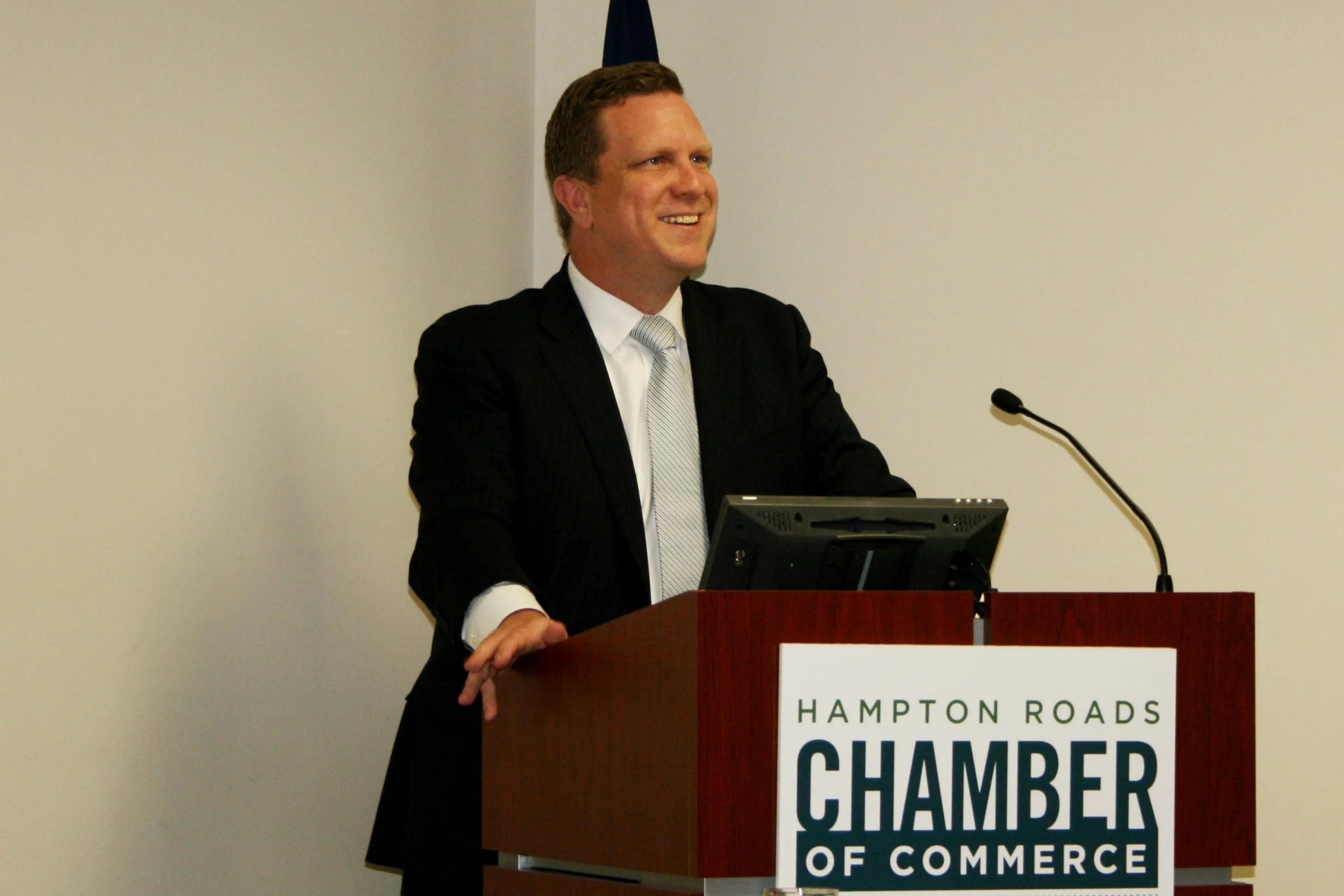
In Norfolk, Virginia, the Hampton Roads Chamber of Commerce recently hosted a discussion with David Danielson, Assistant Secretary for Energy Efficiency and Renewable Energy, who delivered what a local newspaper called “an optimistic forecast of the future that included cheaper batteries and LED lights, cars with double the gas mileage and affordable solar projects.”
Danielson spoke to the chamber’s Business Leader Roundtable.
One example of progress Danielson cited is a $47 million federal grant that Dominion Virginia Power recently won to install two offshore wind turbines more than 550 feet tall. He predicted that wind turbines could generate 20 percent of the country’s power by 2030. “This will be Virginia pioneering something nationally,” he said, adding that energy efficiency presents a multi-trillion dollar opportunity for the U.S. companies.
“We’re in an exciting time as it relates to our energy strength as a nation,” Danielson said. “If you look at our energy security, the opportunity we have to really lead in addressing global and environmental issues, and the opportunity that presents for us to continue to reinvigorate our economy and our manufacturing base, it’s pretty phenomenal the number of things that are converging in our direction right now.”
Are you looking to host a good conversation about energy policy in your state? Let us know. We can help by identifying leading regional and national voices in energy innovation.

Wind Farm Tours in Caro, MI Drive Visitors
The Caro Chamber of Commerce says that its hometown of Caro, Michigan, has a “Norman Rockwell feel with modern amenities.” Among some of the most modern of those amenities are the turbines from nearby wind farms that are steadily transforming the region.
The Caro Chamber of Commerce says that its hometown of Caro, Michigan, has a “Norman Rockwell feel with modern amenities.” Among some of the most modern of those amenities are the turbines from nearby wind farms that are steadily transforming the region.
Those wind farms have also led to many questions from nearby residents, so many in fact that Brenda Caruthers, Executive Director of the Caro Chamber enthusiastically agreed when Consumers Energy, the state’s largest utility, proposed that the chamber host a series of tours of the new Crosswinds Energy Park that is nearing completion.
Caro is the second chamber in Michigan to help its community better understand wind farms through public tours. (The first chamber to host public tours – the Ludington & Scottville Area Chamber of Commerce in western Michigan— also partnered with Consumers Energy).
More than 300 people took the Caro tours. More than half of those people, Caruthers said, came to Caro specifically for the tours. “We’re a rural area,” she said. “We’re not a tourist area and that’s a huge number of visitors for us.”
The tours started at the chamber’s office – also a benefit for the chamber, Caruthers noted, because it can be difficult to get direct traffic to the chamber’s building – where a video about the wind farm was shown. A chamber member with a tour bus company then took the visitors to the wind farm, which has 62 turbines that will generate 105 megawatts of power enough to supply electricity for 31,000 homes.
For the first month, Caruthers personally greeted the wind farm visitors and, of course, took the tour herself. “Most of us had already seen the wind towers because they are so close to us,” she said. “But the size is so impressive. The plans that had to be developed and everything else that goes into these wind farms is just mind boggling to me and many others.”
The chamber also surveyed people returning from the tours, asking if their position on wind power had changed. More than 60 percent of respondents said they were more inclined to support wind generation. All in all, Caruthers said, the wind farm tours were a “very positive experience” for the chamber and for Consumers Energy, a major chamber member.

Chambers Use Smart Grid Cluster to Attract New Companies
Several chambers of commerce recently discovered that identifying smart grid clusters can help chambers recruit more companies to their region. Research-Triangle based chambers in Raleigh, Morrisville and Wake Forest worked with a local economic development agency to evaluate their local economic assets and identify regional trends.
North Carolina’s Research Triangle is one of the country’s leaders in the development of smart grid technology that, much like the smart phone, is using twenty-first technology to modernize electricity delivery systems. The advantages for business, communities, and consumers are significant: from job and investment growth to improved energy efficiency and distribution.
But, as several chambers of commerce recently discovered, identifying smart grid clusters also help chambers recruit more companies to their region.
The idea first emerged several years ago when Research-Triangle based chambers, in Raleigh, Morrisville and Wake Forest, worked with a local economic development agency to evaluate their local economic assets and identify regional trends.
In the process, they identified an emerging cluster of smart grid firms as a powerful new asset, and quickly set about using it to recruit new firms to their communities.
Carlotta Ungaro, President of the Morrisville Chamber of Commerce, drew upon her experience working for the magazine now known as Utility Automation & Engineering T&D, the first publication in the smart grid field.
“The Triangle has always been a leader in the smart grid field,” Ungaro said. “Understanding that we had a smart grid cluster allowed us to recruit more companies working on these cutting edge technologies to our area.”
“Three companies located in the Triangle – Itron, ABB and Schneider – dominated the product discussion and research in this growing field,” Ungaro added. “And they have continued to lead the way in the industry and locally in fostering the high concentration of smart grid companies in the Triangle.”
That concentration, according to the Research Triangle Regional Partnership, a not-for-profit organization created by chamber leaders in Raleigh, Durham and Chapel Hill, has led to the creation of more than 83,000 net new jobs in the last five years.
Additional information about the regional smart grid cluster can be found in a recent article in the Cary Citizen.

Local Chambers Save Money Through Energy-Efficient Renovations
In 2008, the Greater Waco Chamber, deep in the heart of Texas oil country, became the first local chamber of commerce to receive Gold level certification from the U.S. Green Building Council for its new headquarters. The chamber proudly hailed its accomplishment as the first building in Central Texas to win Leadership in Energy and Environmental Design (or LEED) certification in recognition of its best-in-class building strategies and practices.
In 2008, the Greater Waco Chamber, deep in the heart of Texas oil country, became the first local chamber of commerce to receive Gold level certification from the U.S. Green Building Council for its new headquarters. The chamber proudly hailed its accomplishment as the first building in Central Texas to win Leadership in Energy and Environmental Design (or LEED) certification in recognition of its best-in-class building strategies and practices.
The chamber served as a model for other organizations in its region. According to the chamber’s website, groups such as McLennan Community College, Caterpillar Logistics and Baylor University have obtained or are working toward LEED certification for new buildings in Waco.
It also set the bar for other local chambers of commerce. In recent years, the following chambers have sought LEED status for their buildings:
— The Norfolk Area Chamber of Commerce in Nebraska partnered with two of its member companies to design and build a new headquarters and visitor center that is seeking LEED certification. According to a chamber news release, the region’s economic development team completed a targeted industry research project and found that renewable energy companies and “green collar, eco-friendly jobs” are priorities as the area seeks new industries. “This green facility will serve as a magnet for those companies bringing new jobs to town and show them that we are serious about going green in Norfolk.”
— At the San Luis Obispo chamber in California, a grant from Pacific Gas and Electric financed interior renovations that earned LEED certification in 2013. Among its improvements, the chamber used transom windows and added solar light tubes to bring in natural daylight. “The steps we took to pursue LEED make long-term financial sense and allow our facility to model energy efficiency practices for small and large businesses,” said Ermina Karim, chamber President and CEO. “Our chamber has long been a leader in encouraging businesses to pursue sustainability measures and the triple bottom-line.”
— The Denver Metro Chamber of Commerce is working with four of its member companies on a exterior and interior remodel for which it will seek Silver LEED certification. The project will include solar and wind power on the chamber roof and is scheduled for completion during winter 2015.
Has your chamber been engaged in building retrofits? Are you thinking about a building retrofit for your chamber or helping your member companies with a similar program? Let us know, we have resources that could help! Our website also boasts a diverse list of other local chambers that have taken renewable or energy-efficient steps in their community.