By: Sydney Rehder
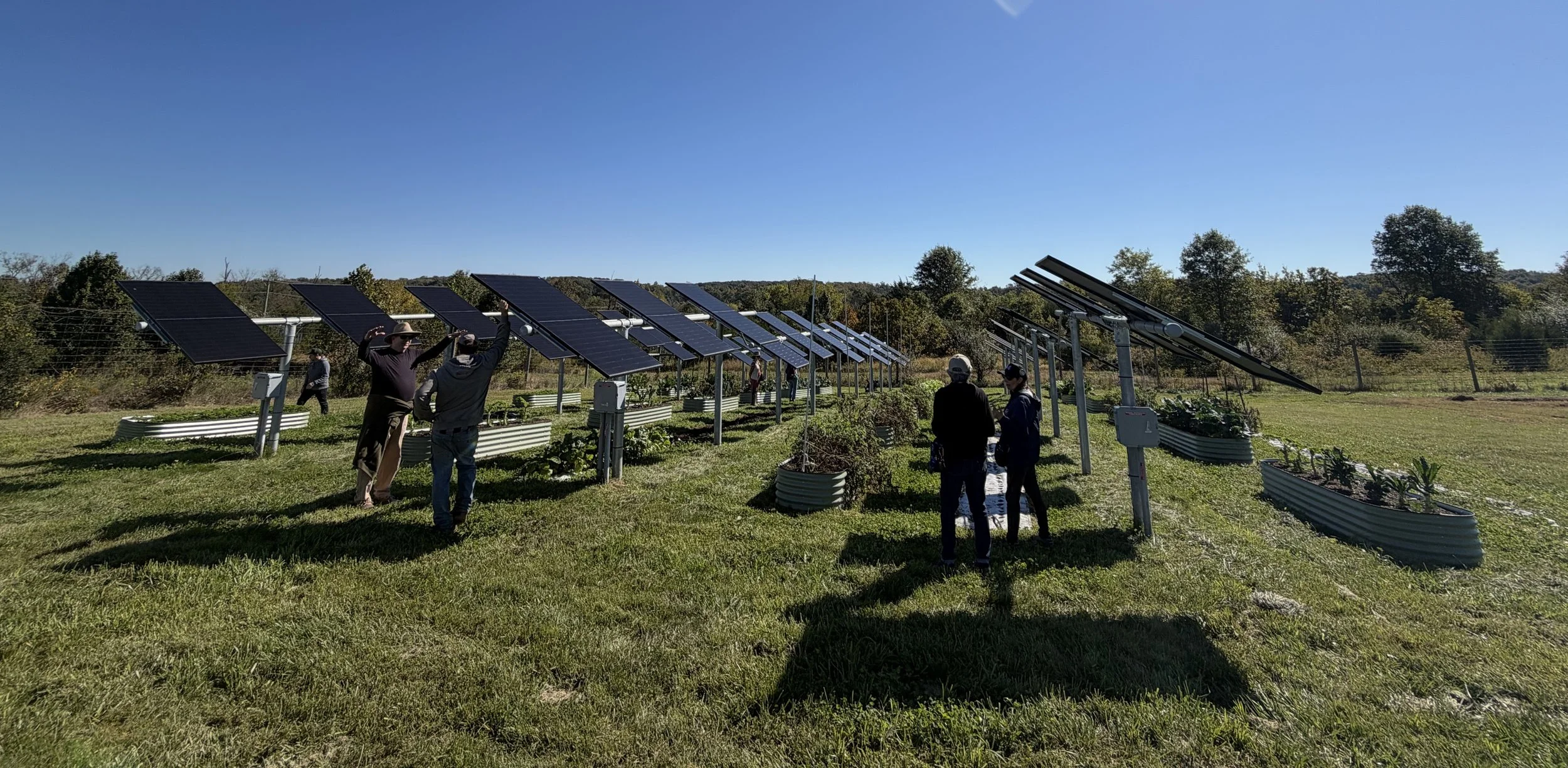
Many people form opinions about solar without ever standing near a panel. A 17-kilowatt (kW) project in Loudoun County, Virginia, gives neighbors a close look at how clean energy works in their community.
The Piedmont Environmental Council (PEC) Community Farm at Roundabout Meadows recently won a co-award for Solar Farm of the Year at the North American Agrivoltaics Awards. Agrivoltaics means integrating solar energy production with agricultural production. Tours and workshops have drawn farmers, educators, lawmakers, and local organizations to Roundabout Meadows.
For chambers of commerce and economic development organizations, projects like this offer a valuable opportunity to bring business leaders, farmers, and local officials together to see emerging energy technologies firsthand and better understand their potential economic benefits.
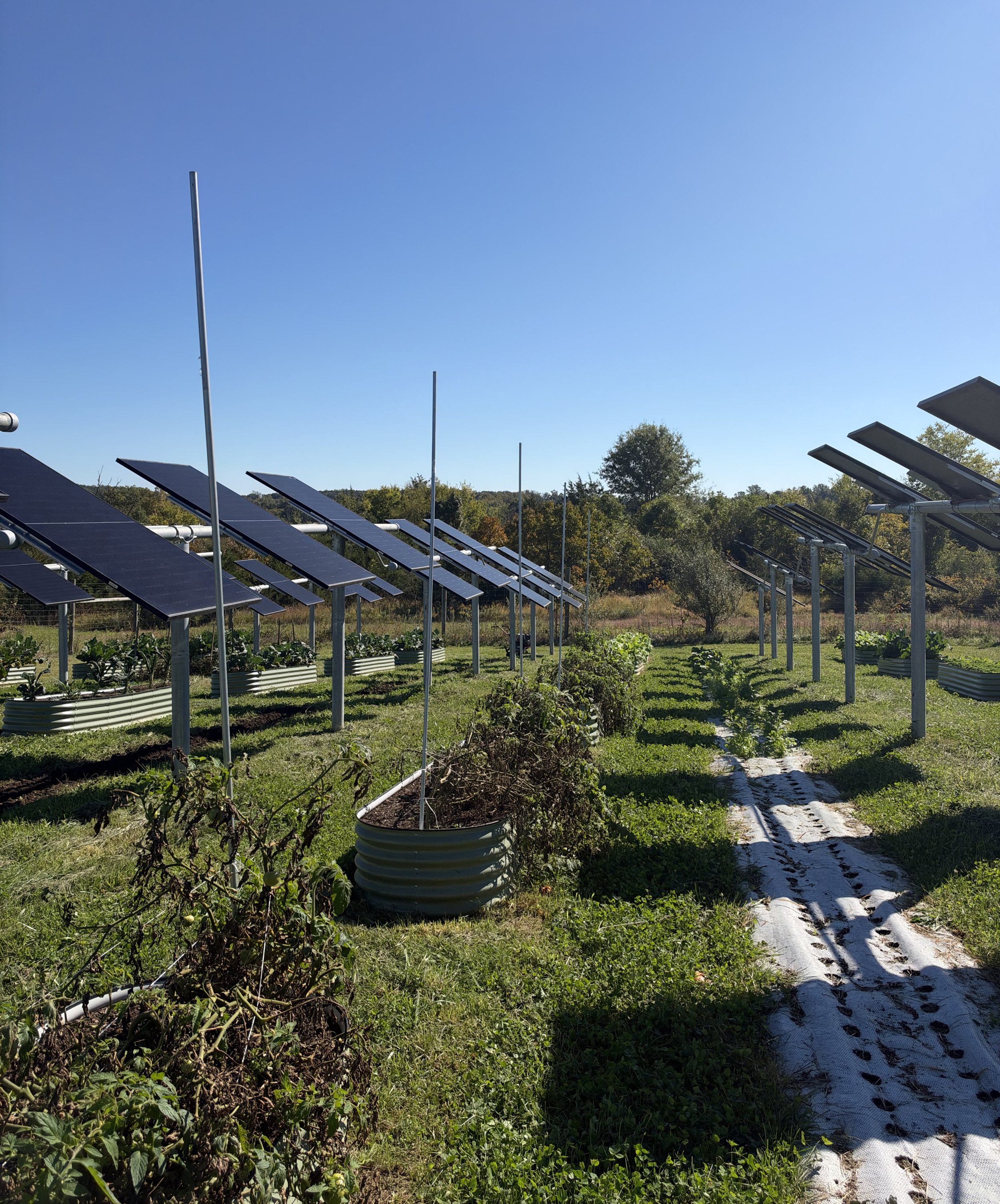
The scale is what makes the project approachable. On a corner of the eight-acre farm, 42 solar panels stand over vegetables growing both in the ground and in raised beds. Visitors can walk underneath, see kale, lettuce, and broccoli growing in the shade, and ask questions.
The panels produce about 130% of the farm’s electricity needs, and a battery keeps the farm running if the grid goes down. PEC’s project shows that solar can coexist on agricultural land while Virginia’s electricity demand grows.
The project also works as a test site. PEC is measuring how the panels affect soil health and vegetable production to address common concerns about solar, so Virginia farmers can learn from these findings.
This small, working demonstration project gives the community in Loudoun County a concrete way to talk about clean energy. It also shows farmers how to gain energy independence while keeping their land in production and costs down.
“Solar energy and agriculture do not have to be at odds,” said PEC Community Farm Manager Teddy Pitsiokos. “And, of course, it’s great to reduce our electricity bill to zero.”
What chambers of commerce and economic development organizations can do: Connect local business leaders, farmers, and policymakers with opportunities to visit working clean energy projects. Seeing these technologies firsthand can help answer questions, address misconceptions, and encourage informed conversations about economic development, energy, and land use.
Contact us to learn how CICE can support your chamber of commerce or economic development organization at no cost: info@chambersforinnovation.com