
CHAMBERS IN ACTION
Local chambers across the country are taking the lead in creating and convening clean energy conversations, best practices, events and advocating on local policy.

MI's Lansing Chamber Sees New Recruitment Opportunities
The office of the Lansing Regional Chamber of Commerce literally looks out over what Tim Daman, its President and CEO, believes will be an important part of his region’s future. In the park behind the chamber’s building, the Lansing Board of Water and Light recently finished expanding its solar array for a total of 817 energy panels that will triple the generating capacity.
The office of the Lansing Regional Chamber of Commerce literally looks out over what Tim Daman, its President and CEO, believes will be an important part of his region’s future. In the park behind the chamber’s building, the Lansing Board of Water and Light recently finished expanding its solar array for a total of 817 energy panels that will triple the generating capacity.

The utility is not alone in investing in renewable energy. Several of the chamber’s other member companies are driving advanced energy practices, responding to increased demand from their customers. “We’re seeing a situation where business demand will help drive innovation in public policy on energy,” Daman said.
Daman says the trend toward energy innovation began several years ago when General Motors built a LEED gold assembly plant in Lansing Delta Township. At the time, the plant was the largest facility and the most complex manufacturing site to receive LEED certification.
Since then, the trend has accelerated with other leading chamber members engaging in clean energy work. Examples include the Christman Company, which is the general contractor for a $100 million LEED specified Energy Star rated expansion of a corporate headquarter building for Jackson National Life Insurance Company.
Additional energy efficient/LEED projects are being led by Granger Construction and Wieland-Davco Corporation, both national construction companies headquartered in Lansing. Clark Construction Company recently finished work on Michigan’s first LEED platinum net zero school, which will produce as much energy as it uses.
And Consumers Energy, the region’s largest utility, is nearing completion of a 105-megawatt wind farm that will allow the utility to meet a state requirement that it obtain a minimum of 500 megawatts of new capacity from renewable energy resources by the end of 2015.
All of this activity is leading Daman and his chamber colleagues to begin to think in new ways about how to refocus the region’s branding. Having moved past the “Rust Belt” characterization of the past, Lansing can now promote a new story of how area businesses are revitalizing the region’s world-renown manufacturing infrastructure.
“As energy infrastructure ages and coal plants go offline across the country, it is critically important to have new and diversified sources of power to provide for a stable business environment,” Daman said. “As chamber member companies build better infrastructure and install more diversified sources of energy, Lansing can better recruit new businesses to the area.”
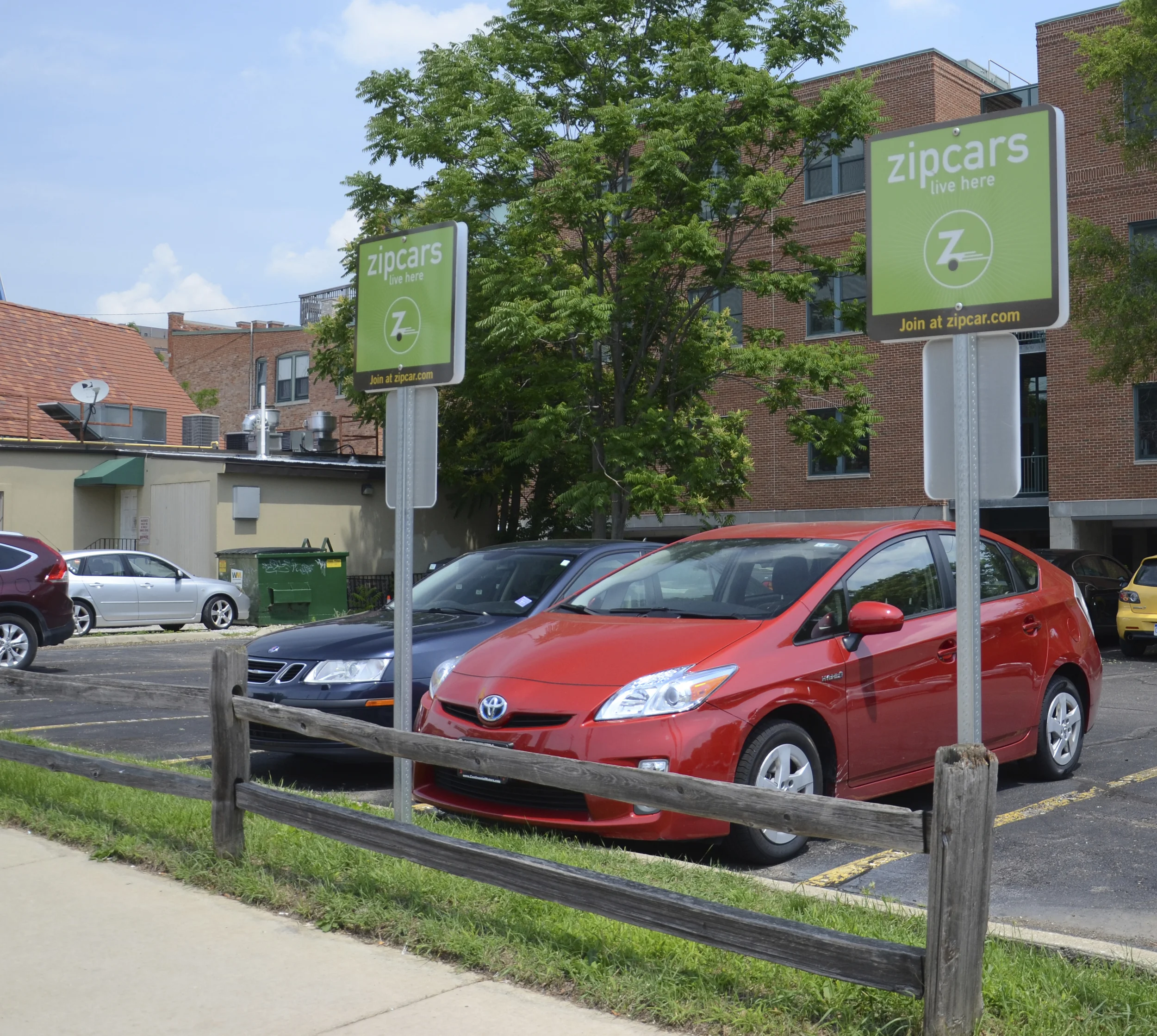
Chamber Helps Members Cut Energy Costs Through Car Sharing
Several years ago, businesses in urban areas started to realize that car-share services like Zipcar and City Car Share could deliver significant savings in reduced fleet, fuel, rental and taxi services. Chambers of Commerce around the country soon started to introduce member companies to the benefits of car sharing.
Several years ago, businesses in urban areas started to realize that car-share services like Zipcar and City Car Share could deliver significant savings in reduced fleet, fuel, rental and taxi services. Chambers of Commerce around the country soon started to introduce member companies to the benefits of car sharing.
Zipcar is headquartered in Cambridge, Massachusetts, and the chamber there immediately recognized an opportunity to save its member companies even more through a negotiated partnership that eliminated application fees and offered lower rates. The program was an immediate hit with members.
“We’re continually looking for innovative ways to boost the benefits we offer our members that help cut the cost of doing business,” said Sarah Kennedy, the chamber’s Director of Government Affairs. “Energy use and clean air are also important issues in our community. Across the nation, Zipcar is believed to take thousands of emission producing vehicles off the roadways. Some companies can go further by offering their employees use of the hybrid or electric vehicle plug-in cars.”
The trend has spread with chambers across the country offering similar programs with various car sharing companies. In Virginia, the Arlington Chamber of Commerce also offers discounts for its member companies on business accounts with Zipcar. On the other coast, the Oakland Metropolitan Chamber of Commerce offers discounted access to City CarShare, a local company and chamber member. And smack in the middle of the country, the Chicagoland Chamber also provides members with car sharing benefits.
A New York Times article discusses car sharing for businesses. Zipcar has a business-specific website here.
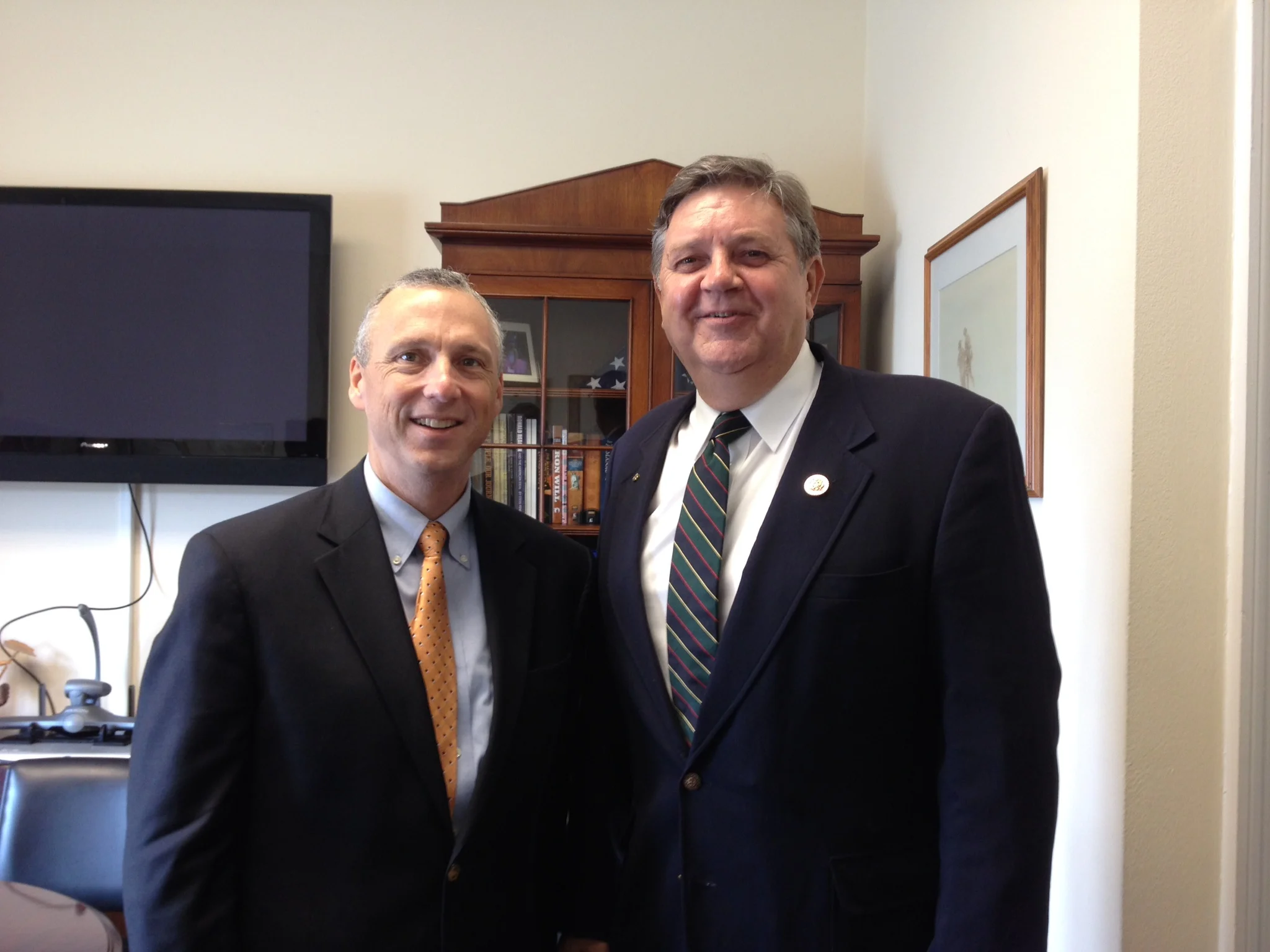
Congressman Highlights Chamber Energy Efficiency Initiative
Dan Benishek represents Michigan’s 1st district in Congress. In August, he traveled throughout his district with a group called the Michigan Conservative Energy Forum, meeting with business owners, military leaders and elected officials who repeatedly deal with energy issues.
Dan Benishek represents Michigan’s 1st district in Congress. In August, he traveled throughout his district with a group called the Michigan Conservative Energy Forum, meeting with business owners, military leaders and elected officials who repeatedly deal with energy issues.
In a recent op-ed published in the Manistee News Advocate, the Michigan Republican said his key takeaway from the tour was that while it is important to increase domestic supplies of energy, “focusing on energy efficiency can have an immediate impact at work and at home.”
As an example, Rep. Benishek cited a partnership between the Traverse City Chamber of Commerce and the Traverse City Light and Power Co. called TCSaves that helps area businesses become more energy efficient.
During a recent CICE-organized trip to Washington, Traverse City Chamber President Doug Luciani shared details about the success of the loan program directly with Congressman Benishek and other federal lawmakers, highlighting how most of the projects have a return on investment of less than three years.
The chamber established the energy efficiency loan program in 2012 and later expanded it with support from Traverse City Light and Power Co. To date, the programs has made seven loans totaling $175,000. Companies that have received the loans have reduced their utility bills by $53,000 a year and saved more than 500,000 kilowatt hours of electricity, enough to power a half-million households for a month.
“We’re very encouraged with the impact of our energy efficiency loan revolving loan fund, not only from the energy savings but also the reduced utility costs for our participants,” Luciani said in a piece highlighting the D.C. trip.
The op-ed from Rep. Benishek can be found here. More information about chamber’s trip to Washington, DC can be found on the chamber’s website here.

Chambers Highlight Opportunities to Tap Into Military Markets
Speaking at a chamber-sponsored roundtable in Raleigh last month, the director of the North Carolina Military Business Center offered suggestions for local businesses to tap into the growing demands by the Department of Defense and military bases across the country for clean energy solutions.
Speaking at a chamber-sponsored roundtable in Raleigh last month, the director of the North Carolina Military Business Center offered suggestions for local businesses to tap into the growing demands by the Department of Defense and military bases across the country for clean energy solutions.
The Greater Raleigh Chamber of Commerce organized the roundtable, which was co-sponsored by the Cary Chamber, the Chapel Hill-Carrboro Chamber and Chambers for Innovation and Clean Energy.
The event marked the second in a series of chamber-sponsored events in the Research Triangle of North Carolina on how the Department of Defense’s increased demand for renewable energy and energy efficiency for bases and on the battlefield can present new customers for businesses in North Carolina and nationwide.
“The military is the single largest user of energy in the United States,” retired Air Force General Ronald Keys told the roundtable. “The way North Carolina does it is a real showcase for the rest of the country.”
More than 35 representatives from area businesses participated in the discussion, which was led by Michael Haley of the Greater Raleigh chamber. Duke University, UNC Chapel Hill and North Carolina State — each of the Research Triangles Tier One research universities – also sent representatives to the roundtable.
“In the federal space,” said Sean Moser of the North Carolina Military Business Center, “teaming up is where it’s at.” He suggested that local businesses near military bases join together to present a bid to base leaders and that businesses already working with municipal customers could also have an easier time marketing a product to a military base.
The Military Business Center is an economic development initiative of the North Carolina Community College System. Since 2005, it has assisted companies in the state secure almost 2000 contracts with the military worth billions of dollars.
Local chambers in North Carolina are planning additional conversations across the region on business opportunities presented by advanced energy technologies including smart grid, portable solar and kinetic energy and biofuels for aircraft and naval vessels. The chambers plan to distribute summaries of the discussions to other North Carolina chambers.
An article about the event from the Triangle Business Journal can be found here. The North Carolina Military Business Center is online here.
Orlando Chamber Drives Toward the Future
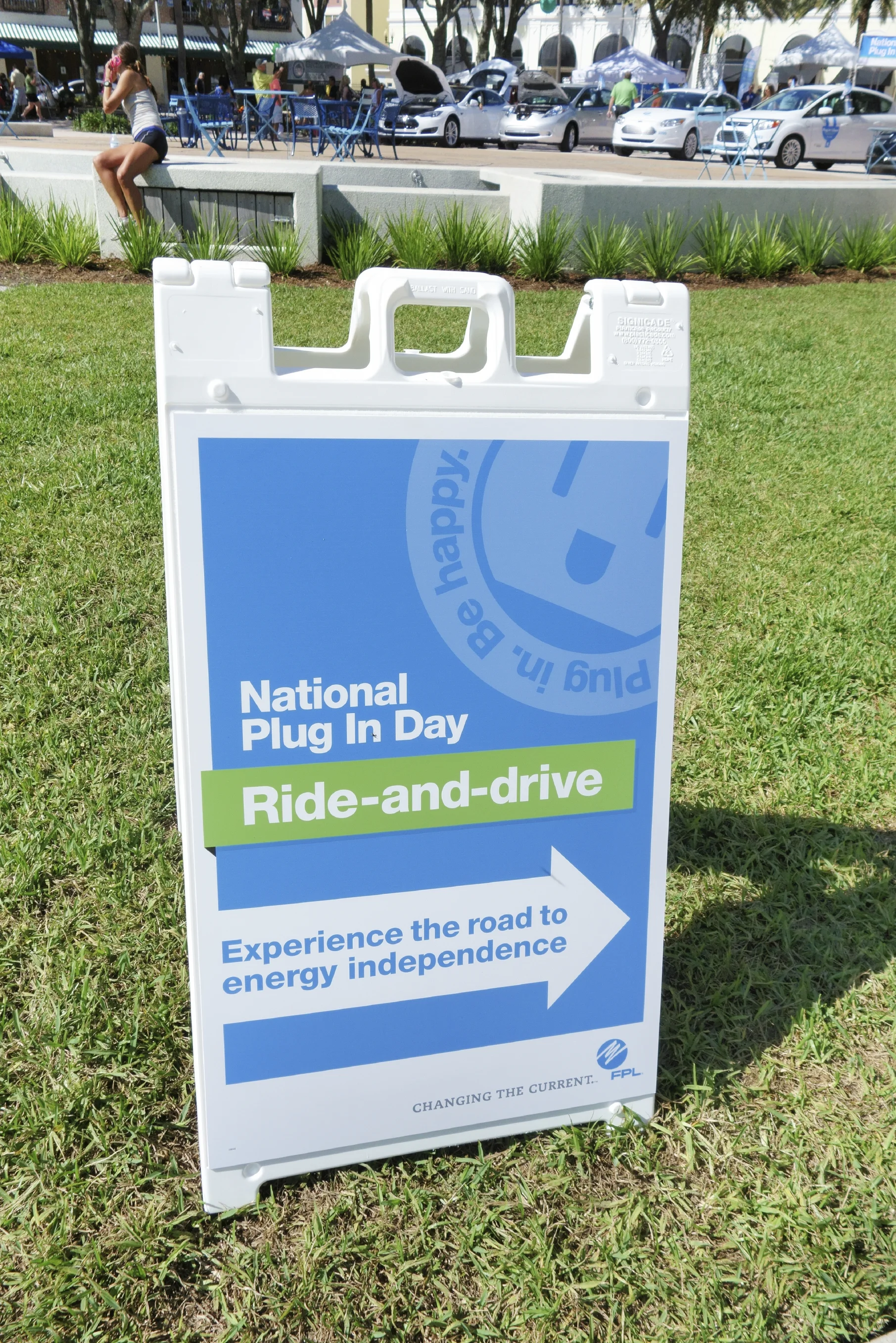
Orlando Inc., the Orlando Regional Chamber of Commerce, is an early participant in a new regional program designed to offer tourists and business travelers a convenient opportunity to use an electric car. The chamber, which is hosting a “rapid charging” station at its headquarters, saw the “Drive Electric Orlando” program as an excellent opportunity to engage with many of its largest member companies in a regional transportation initiative seen critical to the area’s continued growth.
Orlando Chamber Sponsors Electric Car Program, Tackles Region’s Transportation Challenges
Orlando Inc., the Orlando Regional Chamber of Commerce, is an early participant in a new regional program designed to offer tourists and business travelers a convenient opportunity to use an electric car. The chamber, which is hosting a “rapid charging” station at its headquarters, saw the “Drive Electric Orlando” program as an excellent opportunity to engage with many of its largest member companies in a regional transportation initiative seen critical to the area’s continued growth.
The Drive Electric program is a partnership between Orlando rental car agencies, hotels and tourist attractions. Electric cars are available at area rental car agencies and a network of charging stations has been located throughout the region at hotels, theme parks and the convention center.
Jose Fajardo, Executive Vice President of Orlando Inc., said the electric car program is part of the 100-year-old chamber’s broader focus on transportation. “In Florida, on average, we put more miles on vehicles than anywhere in America,” he said. “Things are very spread out here and during morning or evening drive, we can get gridlocked.”
The initiative is a key part of Orlando Mayor Buddy Dyer’s transportation plan and is designed to create a seamless rental car experience for visitors to see first-hand that electric vehicles are reliable and can meet their daily driving needs. More than 300 charging stations have been built in a 70-mile radius around Orlando, which hosts one of the largest tourism centers and rental car markets in the nation.
The chamber’s Fajardo said that the chamber received the donated charging station because of its central location. The chamber will soon be given a Nissan Leaf for six months to use as a “showcase” for its support for electric vehicles.
In addition to the electric vehicle program, the chamber’s transportation initiative has also included support of a 61-mile commuter rapid rail system designed to serve as the cornerstone of a regional multi-modal transportation system for Central Florida.
Orlando Inc. can be found online here. More detail about the Drive Electric initiative can be found here and here and here.

Cincinnati Chamber Ferrets Out Opportunities to Save Energy
The Cincinnati USA Regional Chamber of Commerce chose the city’s famed zoo and botanical garden as host of its recent 2014 Energy Summit, recognizing and highlighting the zoo’s decisions in the last several years to make energy efficiency and innovation a central part of its facilities and structures planning.
Michael Pahutski, the chairman of the chamber’s Energy and Environment Committee, praised the zoo’s work in energy innovation and said that it was in many ways a model for how businesses large and small can save money on energy.
Cincinnati Chamber Hosts Energy Summit to Help Member Companies Save Money on Energy Bills
The Cincinnati USA Regional Chamber of Commerce chose the city’s famed zoo and botanical garden as host of its recent 2014 Energy Summit, recognizing and highlighting the zoo’s decisions in the last several years to make energy efficiency and innovation a central part of its facilities and structures planning.
Michael Pahutski, the chairman of the chamber’s Energy and Environment Committee, praised the zoo’s work in energy innovation and said that it was in many ways a model for how businesses large and small can save money on energy.
“The zoo has done a terrific job of ferreting out – pun intended – opportunities to save energy,” Pahutski said. “From lighting to HVAC to thermal storage, the zoo has rolled over energy savings to new energy projects, leveraging utility energy efficiency incentives to make the most of their EE budget.”
Other speakers at the summit included Jim Henning, the State President of Duke Energy Ohio-Kentucky, and Andy Holzhauser, Chief Executive Officer of the Greater Cincinnati Energy Alliance, a regional not-for-profit that seeks to reduce the barriers to investment in energy efficiency.
Pahutski said the summit was designed to help chamber members save money on their energy bills. “We have such a complex energy environment in Ohio that just understanding the options available to customers can be daunting,” he said. “We hope the Energy Summit helped Chamber members navigate this environment to find the best solutions for their businesses.”
This week, the City of Cincinnati is the site of the annual conference of the American Chamber of Commerce Executives, a gathering of thousands of chamber executives from around the country. Pahutski, who is also a regional director for large account management at Duke Energy, commended the role that local chambers can play, particularly when it comes to energy.
“Energy involves a complex, evolving marketplace and chambers can help their member companies best take advantage of available technologies, commercial offerings and funding sources to optimally manage their energy spend,” he said.

Local Michigan Chamber Scores Triple Success By Organizing Tours of New Wind Park
The Ludington & Scottville Area Chamber of Commerce in Michigan has scored a rare triple victory: it helped launch and grow a new business that educates its community on an important economic development project while generating new tourism spending. And it has done so on the topic of energy generation, typically not a topic that draws crowds.
The Ludington & Scottville Area Chamber of Commerce in Michigan has scored a rare triple victory: it helped launch and grow a new business that educates its community on an important economic development project while generating new tourism spending. And it has done so on the topic of energy generation, typically not a topic that draws crowds.
What is generating all this interest? Kathy Maclean, Executive Director of the Ludington chamber, reports that a new wind energy park has become an extraordinary tourist draw. Working with Consumers Energy, which opened the 56-turbine Lake Winds Energy Park in 2012, the chamber organized tours of the wind farm. The tours start at the chamber office, where visitors watch a 30-minute educational video about wind energy and the construction of wind farms. After the video, visitors take a one-hour bus tour of the 100 megawatt wind park in Michigan’s Mason County.
In 2012, when the tours began, Maclean says that demand was so strong that the chamber expanded the number of available seats but still ended up turning away visitors. The tours continued to be such a huge draw that eventually the chamber spun off the work to a local bus company and tour operator. Consumers Energy initially helped to underwrite the costs of the tours, but this year visitors are charged a nominal fee with no noticeable decrease in enthusiasm.
Maclean says the tours have generated tourism and commerce for the Ludington area and raised visibility for the wind farm. Her community is not alone; according to CleanEnergy.org, wind turbines across the country – and throughout the world — have become tourist attractions.
The Ludington & Scottville Area Chamber can be found online here. A website about the Lake Winds Energy Park is here. A short video from Consumers Energy about the construction of the energy park is here. The article from CleanEnergy.org about energy tourism can be found here.

Chamber Leads Program to Deliver Solar Energy Savings to Members
The Metro South Chamber of Commerce in Brockton, Massachusetts, is housed in the building where Thomas Edison first perfected one of his greatest lighting innovations. Today, the Metro South Chamber is extending that history of energy innovation by pioneering a new national program designed to help local chambers of commerce and their member businesses take advantage of cost savings from installing solar energy.
The Metro South Chamber of Commerce in Brockton, Massachusetts, is housed in the building where Thomas Edison first perfected one of his greatest lighting innovations. Today, the Metro South Chamber is extending that history of energy innovation by pioneering a new national program designed to help local chambers of commerce and their member businesses take advantage of cost savings from installing solar energy.
The Metro South Chamber is the first local chamber to agree to participate in a new partnership between Chambers for Innovation and Clean Energy and EnergySage Inc. to help businesses use an innovative and user-friendly online solar marketplace to shop for solar. In addition to making the EnergySage program available for its member businesses, Chris Cooney, President and CEO of the Metro South Chamber, plans on installing solar panels on the historic Edison building.
“Lowering costs, saving time, and creating local jobs is a winning combination that strengthens business and increases profits,” Cooney said. “The EnergySage process makes it easy for our chamber members to receive multiple quotes, learn about tax credits, and gauge potential long-term gains.”
Under the new partnership, EnergySage has agreed to make a donation – ranging from $250 for residential systems to up to $5,000 for large commercial systems – to the local chamber whose members install solar systems through the EnergySage Marketplace.
Through the partnership with CICE and EnergySage, chamber members will have access to the EnergySage Marketplace, a robust system that provides instant estimate of the costs and savings of solar with various financing options and the ability to include local companies in the price comparisons. Chamber businesses that create a free account on the EnergySage Solar Marketplace will receive quotes from multiple pre-screened and high quality solar installers, easing the process of shopping for the right solar system.
In a news release, EnergySage welcomed the partnership with CICE. “We understand that solar can be complex for building owners and this partnership offers a great opportunity to help these decision-makers choose solar with ease,” said John Gingrich, Head of Corporate Development at EnergySage.
Diane Doucette, Executive Director of CICE, called the partnership a “win-win” for local chambers and their member companies. “Chambers are always on the lookout for valuable no-cost services for member companies,” Doucette said. “Our EnergySage partnership offers the added benefit of providing chambers with commissions for helping their member companies.”
The portal for the CICE partnership with EnergySage can be found here. A news release about the program can be found here. The Metro South Chamber of Commerce can be found here.

Chamber CEO Positions City to Reap Huge Wind Energy Benefits
In 2010, the North Myrtle Beach Chamber helped build a coalition of local wind energy champions with a plan to bring clean energy investment, jobs, innovation, and statewide recognition to the town. The effort paid off: North Myrtle Beach became the first place in South Carolina to host a grid-connected wind turbine.
About five years ago, Marc Jordan, President and CEO of the North Myrtle Beach Chamber of Commerce, and his chamber colleagues began discussions about the economic potential of clean energy for South Carolina. Back then, he says, “people looked at us a little strange.” Today, with the expected announcement in his hometown of federal leases for new offshore wind farms, Jordan and his chamber colleagues find more and more people sitting up and taking notice.
Jordan brings an infectious enthusiasm to his community, particularly on the subject of wind energy. “We have an entrepreneurial business climate here in North Myrtle Beach,” Jordan said. “We’re encouraging businesses in the wind energy sector – from component part suppliers to research companies – to move to our community. We see clean energy as the best way to separate North Myrtle Beach from the competition.”
In 2010, the Chamber helped build a coalition of local wind energy champions with a plan to bring clean energy investment, jobs, innovation, and statewide recognition to the town. The effort paid off: North Myrtle Beach became the first place in South Carolina to host a grid-connected wind turbine.
And with the expected fall announcement of new offshore lease opportunities for wind, the Chamber will see a huge return on its early efforts to bring wind energy to South Carolina. Jordan believes that the wind turbines will stimulate construction and maintenance jobs and attract further investment to his town.
Jordan’s early efforts on wind energy earned him an appointment by Gov. Nikki R. Haley to a task force on renewable energy. The Chamber also helped to craft and win passage by the South Carolina legislature of a resolution recognizing the merits of wind as an alternative source of energy.
An article about the expected announcement of new federal leases can be found here.

KC Chamber Boosts Area Economy Through Smart Energy
Through an innovative new smart energy program, the Kansas City Chamber of Commerce is doing what local chambers do best: convening stakeholders and partnering with industry and civic leaders to help its member companies save money and make the region more competitive.
Through an innovative new smart energy program, the Kansas City Chamber of Commerce is doing what local chambers do best: convening stakeholders and partnering with industry and civic leaders to help its member companies save money and make the region more competitive.
Bringing together the Kansas City government, the real estate sector and the area’s leading utility, the Kansas City Chamber has launched the Kansas City Energy Initiative to boost the region’s economic competitiveness through smart energy practices.
At a recent news conference, Chamber President and CEO Jim Heeter said that thanks to the partnership with the city and the utility, “the Chamber will be able to provide the KC business community with the education and resources that will help them become energy efficient and positively affect their bottom line.”
“The cheapest form of energy is the energy you don’t use,” Heeter said, adding that the new initiative has drawn enthusiastic support from many chamber members from several different industries including healthcare, legal, retail, real estate, contractors and, naturally, the region’s largest utility.
As part of the new program, the utility is increasing the amount of money it will provide commercial customers who make energy efficiency improvements in their buildings from $50,000 to $250,000.
MC Realty Group, which manages 13 million square feet of office space in the region, said that using programs like those included in the chamber initiative, it has already slashed energy costs in about half of the space it manages. “The bottom line is it makes money,” a MC Realty vice president told reporters.
Speaking at the news conference, Kansas City Mayor Sly James welcomed the “collaborative spirit” behind the initiative and said that it once again demonstrates that Kansas City takes its “responsibility to increase energy efficiency seriously.”
Dennis Murphey, the city’s chief environmental officer, told reporters that by the year 2030 — if the city meets its goals during the next three years — building owners in the city will save about $50 million a year in energy costs, costs that they could pass onto their tenants. He said the city also is hoping for a 5 percent reduction in overall energy use.
An article in the Kansas City Star is here; a piece from the Kansas City Business Journal can be found here.

Local ME Chamber Helps Save Ratepayers $12 Million
Catherine Wygant Fossett, Executive Director of the Boothbay Harbor Region Chamber of Commerce in Maine, is the kind of person who can assess a brewing crisis and see opportunity for growth. Her heavily tourist-reliant community is served by one increasingly overtaxed high-power electric transmission line. Upgrading it would cost ratepayers as much as $18 million in increased electric rates.
So when officials proposed a pilot program for so-called non-transmission alternatives to upgrading the power line — essentially various forms of efficiency at a projected cost of $6 million – Fossett jumped into action.
Catherine Wygant Fossett, Executive Director of the Boothbay Harbor Region Chamber of Commerce in Maine, is the kind of person who can assess a brewing crisis and see opportunity for growth. Her heavily tourist-reliant community is served by one increasingly overtaxed high-power electric transmission line. Upgrading it would cost ratepayers as much as $18 million in increased electric rates.
So when officials proposed a pilot program for so-called non-transmission alternatives to upgrading the power line — essentially various forms of efficiency at a projected cost of $6 million – Fossett jumped into action. She suggested that GridSolar LLC, the company hired to run the pilot program, join her chamber and, in return, she promised, she would turn on her “matchmaking skills” and “put on the PR engine to start educating members about the project.”
At a recent chamber dinner, Fossett revealed that she connected more than 80 local businesses to the pilot project. She also discussed how she helped another efficiency company called Ice Energy give away 32 new air conditioning units with high-tech storage batteries made of ice. The units cost $32,000 a piece and combined can offset 250 kilowatts of capacity or roughly the equivalent of unplugging 75 window air conditioners each afternoon.
According to a recent article in a local newspaper, the owner of a local car wash thought he was being scammed when he was approached by Ice Energy and asked if he’d like a free new air conditioner. But when he called the chamber to check up on the Ice Energy, he found that the company’s offer was for real and that the “chamber was in on the deal … it was having a box installed.”
Fossett says that more than 70 different efficiency measures have been implemented to date adding that this is the first summer season since the improvements have been made with results still being evaluated and tested. She calls the efficiency program a “crowning achievement” for her and her team of three at the Boothbay chamber.
The Boothbay chamber can be found online here. GridSolar is here and Ice Energy can be found here. An article about the efficiency program can be found here.

Local Michigan Chamber Plans Energy Audit Day
Demonstrating strong leadership, the all-volunteer Sandusky Chamber of Commerce in Michigan organized an “energy audit day” to help its member businesses save money by unlocking rebates, low-cost financing and other cost-saving measures available for implementing energy efficiency.
Demonstrating strong leadership, the all-volunteer Sandusky Chamber of Commerce in Michigan organized an “energy audit day” to help its member businesses save money by unlocking rebates, low-cost financing and other cost-saving measures available for implementing energy efficiency.
In a news release, Chamber President Sandy Miller said the chamber recognizes that energy is one of the largest costs for Michigan businesses. “Cutting energy expenses will help our member businesses be even more successful,” she said.
Miller said that the businesses that participated learned that they could receive 20 percent to 50 percent back on installation and supply costs for energy retrofit services by using approved contractors.
Incentives for adopting energy efficiency upgrades vary extensively by state and utility provider. The U.S. Department of Energy offers a web site portal called DSIRE that provides summaries of renewable energy and energy efficiency incentives. The site offers summary maps and tables and a search tool to help businesses determine which incentives and policies might apply to a specific project.
The Sandusky chamber can be found online here. The DSIRE web portal can be found here.

Chambers Explore Savings for Building Owners Through Energy Leasing
The financial interests of building owners and tenants can sometimes seem completely at odds. But, according to a recent telebriefing hosted by Chambers for Innovation and Clean Energy, local chambers of commerce can help bridge the gap by opening a conversation about “high performance leases” that can align interests of building owners and tenants so they can work together to save money while saving energy.
The financial interests of building owners and tenants can sometimes seem completely at odds. But, according to a recent telebriefing hosted by Chambers for Innovation and Clean Energy, local chambers of commerce can help bridge the gap by opening a conversation about “high performance leases” that can align interests of building owners and tenants so they can work together to save money while saving energy.
According to the participants of the telebriefing, leases are typically not structured in a way that promotes energy savings. Under most gross leases, for example, tenants have no incentive to save energy in their leased premises because energy costs are based on tenant square footage. Under most net leases, building owners have no incentive to invest in efficiency for their building systems because the operating expenses are passed through to tenants, who would therefore receive all of the energy cost savings.
High performance leases, however, create structures that can equitably align the costs and benefits of efficiency investments between building owners and tenants and save both money.
During the telebriefing, Nicole Stika, Senior Director, Energy Service at the Greater Cleveland Partnership’s Council of Smaller Enterprises, described her chamber’s partnership with the Cleveland 2030 District to identify opportunities for high performance leases across 73 million square feet of downtown office buildings. “Our ultimate goal is to transform our downtown and offer both landlords and tenants a positive return on investment,” Stika said.
“This is a critically important conversation between landlords and tenants,” Stika said. “It needs to start somewhere. Why not the chamber?”
Other speakers included Adam Sledd, Program Director, Commercial Real Estate Engagment, at the Institute for Market Transformation, and Jodi Mansbach, Vice President at Jamestown Properties. One of Sledd’s target audiences is chamber of commerce executives; he has also presented to the New England Association of Chambers of Commerce Executives and the Montgomery County Chamber of Commerce in Maryland.
The Institute for Market Transformation has an online library here about high performance leases. Information about the Cleveland’s engagement can be found here.
Local NC Chamber Showcases Clean Energy Solutions with Members
When Marc Pons joined the board of the Chapel Hill-Carrboro Chamber of Commerce in North Carolina, he volunteered his company to serve as a beta tester for a new program the chamber developed to help area businesses save money through renewable energy and other sustainability practices. He was, however, deeply skeptical: “I felt that whatever the test was, we would fail because we’re in the auto repair and tire industry.”
When Marc Pons joined the board of the Chapel Hill-Carrboro Chamber of Commerce in North Carolina, he volunteered his company to serve as a beta tester for a new program the chamber developed to help area businesses save money through renewable energy and other sustainability practices. He was, however, deeply skeptical: “I felt that whatever the test was, we would fail because we’re in the auto repair and tire industry.”
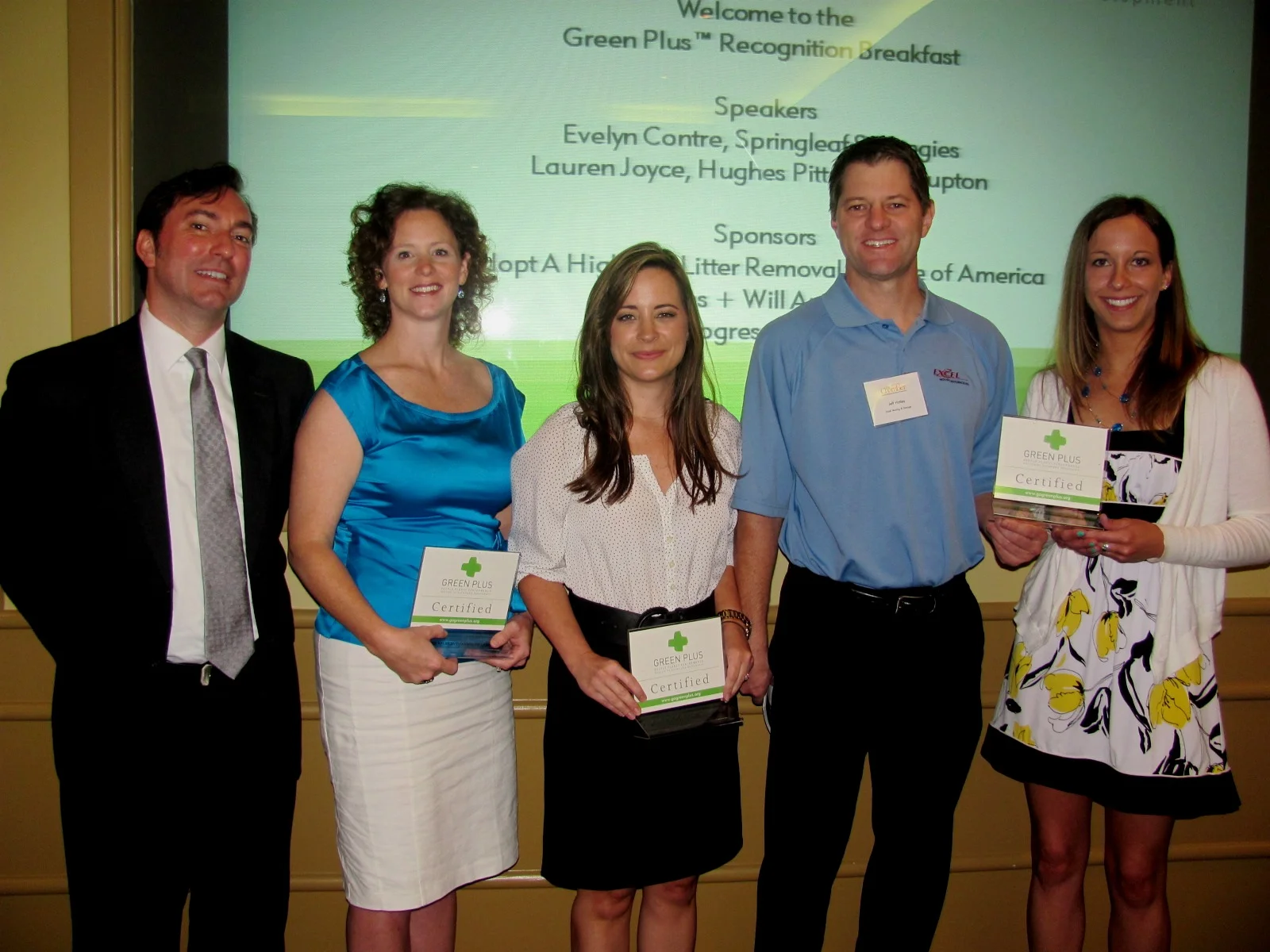
Aaron Nelson, President and CEO of the Chapel Hill chamber, was more optimistic. “Chambers are always looking for ways to help our business members make and save money,” Nelson said. “We envisioned Green Plus as a chamber-created tool to help smaller employers enjoy the same savings from renewables, energy efficiency, and advanced technology that large employers enjoy.”
Pons quickly and happily discovered that his business, the Chapel Hill Tire Car Care Center, flourished through exploring sustainable energy solutions through the chamber’s Green Plus program. He installed a solar array, replaced lighting with more efficient lamps and replaced old toilets with modern dual flush models.
“We started saving money by becoming more efficient but we also really engaged our customer base and employees,” Pons said. “Our mechanics are skeptical salty dogs, but they saw the press and it made them proud. They started asking for more hybrid training and they are now at the top of their game.”
The Chapel Hill-Carrboro chamber can be found here. The Green Plus program is here. The Chapel Hill Tire Care Center can be found here.

Local MI Chamber Creates Solar Manufacturing Hub
Working hand-in-hand with Saginaw Future, the economic development agency for Saginaw County, the two organizations decided to try to increase demand for solar in Michigan by working with local governments to streamline permitting processes for companies interested in installing renewables. They launched four “Solar Ready Community” pilot projects using the streamlined permitting processes and helped develop the infrastructure necessary for local businesses to install solar panels.
The Saginaw County Chamber of Commerce in Michigan prides itself on supporting its member companies. Several years ago, chamber leaders saw Hemlock Semiconductor, one of its largest members, ramp up investment in polycrystalline, a critical component of solar panels. Other chamber members such as Dow Corning Research and Dow Chemical were investing in solar as well.
“We reflected on how we could grow the solar business in Michigan,” said Veronica Horn, Executive Vice President, Government Affairs, at the Saginaw Chamber. “But then we learned that there’s more solar potential in Michigan then there is in Germany, one of the largest producers and consumers of solar power in the world.”
Working hand-in-hand with Saginaw Future, the economic development agency for Saginaw County, the two organizations decided to try to increase demand for solar in Michigan by working with local governments to streamline permitting processes for companies interested in installing renewables. They launched four “Solar Ready Community” pilot projects using the streamlined permitting processes and helped develop the infrastructure necessary for local businesses to install solar panels.
The program is working: other solar supply chain companies have moved into the region and Saginaw Future has built a large clean energy manufacturing park called Great Lakes Tech Park that serves as a business accelerator for clean tech.
The Saginaw Chamber can be found online here. Saginaw Future is here.
Local Chambers and the Military
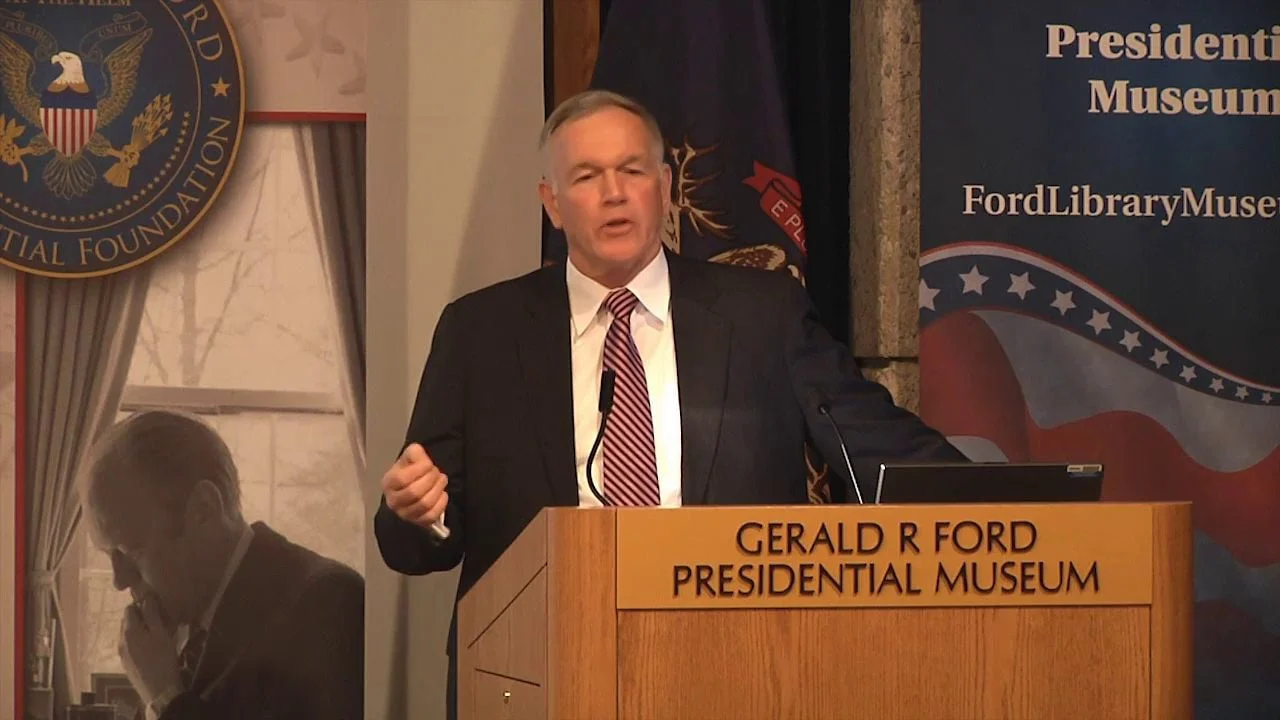
The Greater Raleigh Chamber of Commerce recently hosted a groundbreaking discussion with Lt. General Richard C. Zilmer, USMC (Ret.), about the close ties between energy innovation, local economic development and national security.
Raleigh Chamber Hosts Panel with Retired Marine Corps General on Energy Innovation, Regional Economy and National Security
The Greater Raleigh Chamber of Commerce recently hosted a groundbreaking discussion with Lt. General Richard C. Zilmer, USMC (Ret.), about the close ties between energy innovation, local economic development and national security.
One conclusion from the discussion: Local chambers with military bases in their communities have an important role to play in the clean energy discussions happening at the local, state and national levels. With growing numbers of military bases prioritizing energy efficiency and renewable energy, local chambers are increasingly seeking to engage their member businesses in clean energy projects.
North Carolina has benefited tremendously from energy innovation and will continue to reap huge economic rewards. During the panel discussion, chambers said that connecting local businesses to the new energy priorities of the military bases is a natural next step.
Last week’s conversation — which was also sponsored by the Research Triangle Regional Partnership Clean Tech Cluster and Chambers for Innovation and Clean Energy — demonstrated the power of local chambers to convene stakeholders such as the military, businesses, universities, regional business clusters and government officials for important regional and national conversations. The meeting drew approximately 25 participants including representatives from the local chambers of Raleigh, Morrisville, Asheville and Chapel Hill Carrboro as well from the governor’s office, the North Carolina Department of Commerce and clean tech businesses.
Zilmer, who served in the Marine Corps for 36 years, stressed the connection between energy innovation and national security, a link he first saw in 2006 when he served as commanding general of allied forces in Iraq. At the time, Zilmer noted the connection between American casualties and convoys of fuel supply vehicles. He issued a “Priority 1” rapid resource response to the US Marine Corp for great deployment of renewable energy on the battlefield. The DOD has broad goals to power the military with renewable energy while saving energy at military bases around the country.
The panel concluded that the research triangle area in North Carolina is well positioned to benefit economically as the military and the rest of the country moves toward efficiency and renewable sources of power . With three first-tier research universities and a smart grid and solar industry cluster, North Carolina has already received a $2.7 billion boost over the last six years from clean energy, according to a report by RTI International.
General Zilmer’s Memorial Day column in the News and Observer can be found here. The Greater Raleigh Chamber of Commerce can be found online here. The Research Triangle Regional Partnership is here.

Local OH Chamber Provides Testimony On Economic Benefits of Wind Power
In testimony last week before the Ohio Legislature, the President of the Van Wert Area Chamber of Commerce made a powerful case for the economics of wind power, saying that a new wind farm has been a tremendous boost for Van Wert County. Economic benefits, she said, have rippled to hotels, restaurants, auto dealers, grocery stores and other member businesses in her rural county as well as providing much-needed funding for local government services and education.
In testimony last week before the Ohio Legislature, the President of the Van Wert Area Chamber of Commerce made a powerful case for the economics of wind power, saying that a new wind farm has been a tremendous boost for Van Wert County. Economic benefits, she said, have rippled to hotels, restaurants, auto dealers, grocery stores and other member businesses in her rural county as well as providing much-needed funding for local government services and education.
Susan Munroe, President of the Van Wert Area Chamber, asked legislators to halt efforts to freeze the state’s Alternative Energy Portfolio Standard. Under a 2008 law, utilities are required to get 25 percent of Ohio’s electricity from alternative energy sources by 2025. Some legislators are seeking to roll back the standard or freeze it at current levels. Munroe warned that freezing the standard would also freeze further investment in Northwest Ohio and asked legislators “why would you stop something that’s working just as the law intended it would work?”
Business opposition to the rollback is strong: the Ohio Manufacturers’ Association, Honeywell, Whirlpool, Owens Corning, the Campbell Soup Company, DuPont, Honda and many other Ohio businesses do not want legislators to stop or freeze effective standards.
Munroe testified that the Blue Creek Wind Farm, which opened two years ago, is now the largest taxpayer in Van Wert County, providing $2 million annually for schools and local governments and millions more to local farmers and other landowners. “Wind is a lucrative, sustainable “crop” for our farmers and entire community,” Munroe said. “We hope to continue to harvest wind to not only build economic success for our county but provide sustainable, renewable energy for our state.”
Munroe’s full testimony can be found here. A previous oped by the Van Wert Area Chamber can be found here.

Strengthening Area Businesses Through Energy Efficiency
Steve Brody, the Executive Director of Galesburg Area Chamber of Commerce in Illinois, did not need much convincing when he was approached by Ameren Illinois to help promote an energy efficiency retrofit program for area businesses. He was, however, adamant that Ameren identify local contractors to do the required energy audits.
“If you want our chamber to participate in this,” Brody said, “you need to get a Galesburg business involved. We want to have Galesburg businesses helping Galesburg businesses.”
Illinois Chamber Insists on Local Contractors for Utility Program
Steve Brody, the Executive Director of Galesburg Area Chamber of Commerce in Illinois, did not need much convincing when he was approached by Ameren Illinois to help promote an energy efficiency retrofit program for area businesses. He was, however, adamant that Ameren identify local contractors to do the required energy audits.
“If you want our chamber to participate in this,” Brody said, “you need to get a Galesburg business involved. We want to have Galesburg businesses helping Galesburg businesses.”
Ameren found several local vendors. The chamber organized a “Galesburg on the Go” chamber luncheon about the program. The chamber itself also signed up for a free audit and ended up having virtually all of its lighting replaced at very low cost.
Overall 52 area businesses had free audits and received more than $216,000 in cash incentives to implement 79 retrofit projects that are projected to save a quarter of a million dollars. Last month, the City of Galesburg was presented with the ActOnEnergy 2013 Most Progressive City Award for embracing the efficiency program.
The Galesburg chamber is constantly looking for ways to make area businesses stronger, more profitable, Brody said. “A business needs to be as profitable as possible,” he added. “If you can be as energy efficient as possible, that goes a long way to making your business profitable.”
Interested in replicating the Galesburg program? An article about the Galesburg experience can be found here. The Galesburg chamber is here. Ameren Illinois ActonEnergy program can be found here.

Innovative Landfill Energy Program in North Carolina
As local chamber leaders from across the Carolinas gathered at the Charlotte Motor Speedway to kick off their semi-annual meeting, they were probably not surprised to learn about the $400 million annual boost the raceway provides to the regional economy. But they may have been surprised to hear about the innovative energy program launched in recent years by the Speedway.
As local chamber leaders from across the Carolinas gathered at the Charlotte Motor Speedway to kick off their semi-annual meeting, they were probably not surprised to learn about the $400 million annual boost the raceway provides to the regional economy. But they may have been surprised to hear about the innovative energy program launched in recent years by the Speedway.
The Speedway, which has its own landfill, has partnered with its business community, including Foristar Inc. and Duke Energy, to provide clean energy to 7,700 area homes. Landfill methane powers turbines, which in turn generate electricity distributed through Duke Energy’s grid.
Tim Hagler, a vice president at the Speedway, is an active leader on the Cabarrus Regional Chamber of Commerce Board, which hosted the regional meeting, and has done a great deal to educate chamber members on the economic opportunities with clean energy. He spoke of the Speedway experience along with Chris Carmody, a senior adviser to Chambers for Innovation and Clean Energy, a sponsor of the Carolinas meeting.
The Carrabus Regional Chamber is here. An article about the Speedway’s energy program can be found here.
Salt Lake Chamber Launches Renewable Energy Tour
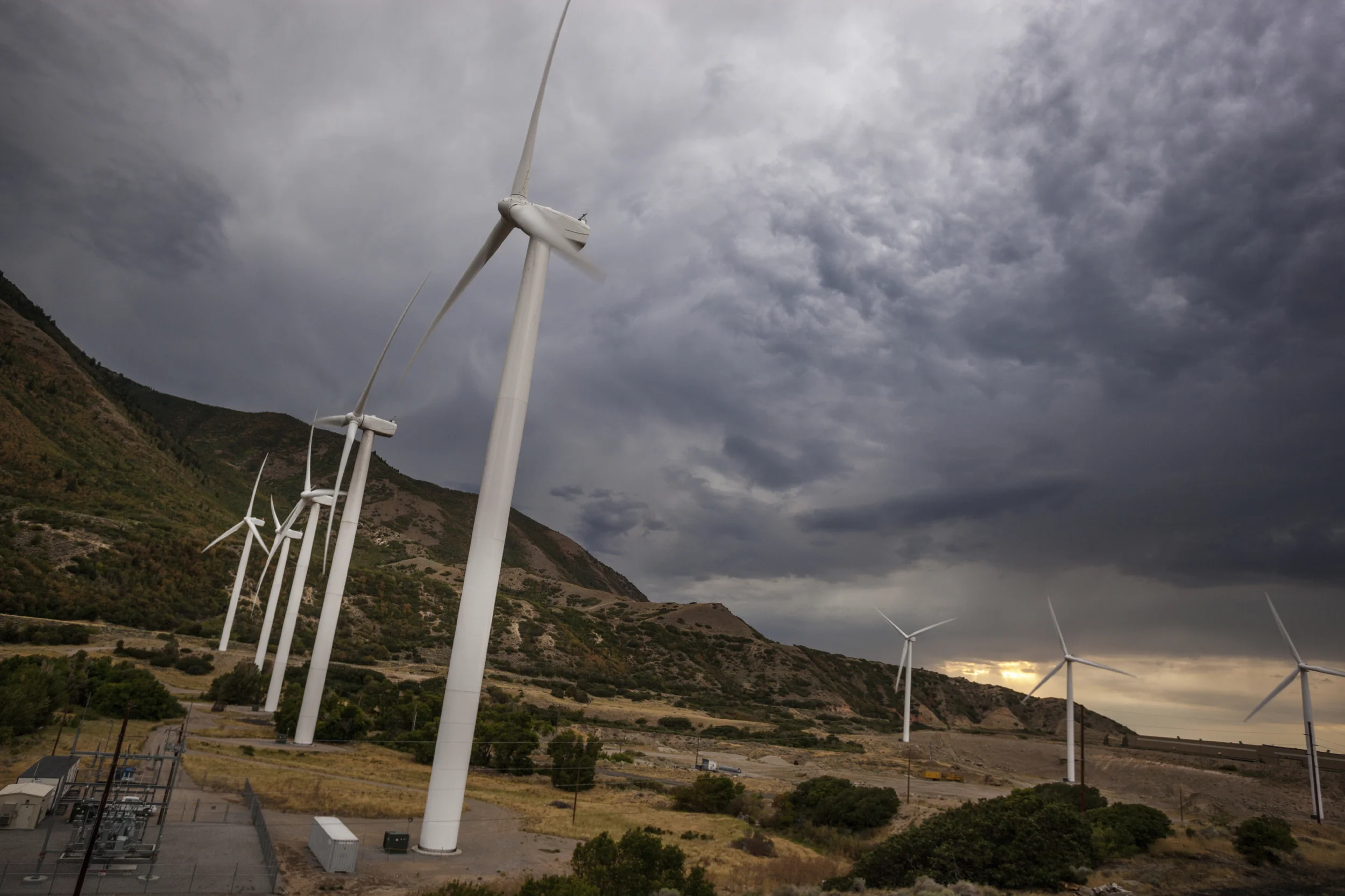
Long a leader in energy innovation, the Salt Lake Chamber of Commerce launched a new initiative this month to showcase area businesses that are some of the country’s largest producers of renewable energy.
The chamber brought 50 business leaders on a tour through southern Utah’s Beaver County that included visits to two geothermal plants, a hydro facility, a wind farm, a manufacturing facility and a coal plant that is scheduled to be converted to natural gas. The tour also stopped at a high school renewable energy fair where students showed their achievements in renewable energy research.
Long a leader in energy innovation, the Salt Lake Chamber of Commerce launched a new initiative this month to showcase area businesses that are some of the country’s largest producers of renewable energy.
The chamber brought 50 business leaders on a tour through southern Utah’s Beaver County that included visits to two geothermal plants, a hydro facility, a wind farm, a manufacturing facility and a coal plant that is scheduled to be converted to natural gas. The tour also stopped at a high school renewable energy fair where students showed their achievements in renewable energy research.
The Salt Lake Chamber has for several years run an innovative program to help clear the region’s air by helping area business save fuel and reduce vehicle emissions. By helping to improve air quality in the region, the chamber says it has increased business attraction and retention in the Salt Lake area.
Interested in replicating the Salt Lake programs? A news report about the energy tour can be found here. A profile of the Salt Lake Chamber’s Clean Air program can be found here. The Salt Lake Chamber is online here.