Issues
Wind & Offshore Wind
Across the country, underused ports and aging waterfronts are being revitalized into major industrial and logistics hubs, driven in part by growing investment in offshore wind.
Offshore wind offers coastal and Great Lakes communities a significant economic development opportunity, helping attract investment, diversify regional economies, create jobs, and support growing energy demand. As electricity demand continues to rise from manufacturing expansion, data centers, and electrification, offshore wind is emerging as a new source of domestic energy production and industrial investment across the U.S.
The Business Case for Offshore Wind
Consumer Cost Implications of Offshore Wind Stop Work Orders
The Department of Interior issued a stop-work order on five offshore wind projects serving the PJM, NYISO, and ISO-New England markets. These projects are over 70% built and had already cleared years of federal review. American Clean Power finds that taking them offline would raise wholesale and retail electricity rates across 15 states and D.C., especially during winter cold snaps and evening demand peaks. The nation is turning to costlier, less predictable peaking plants instead of low-cost offshore wind. For chambers and economic developers, this means higher, more volatile energy costs for businesses and ratepayers, undermining the price stability that helps attract and retain employers.
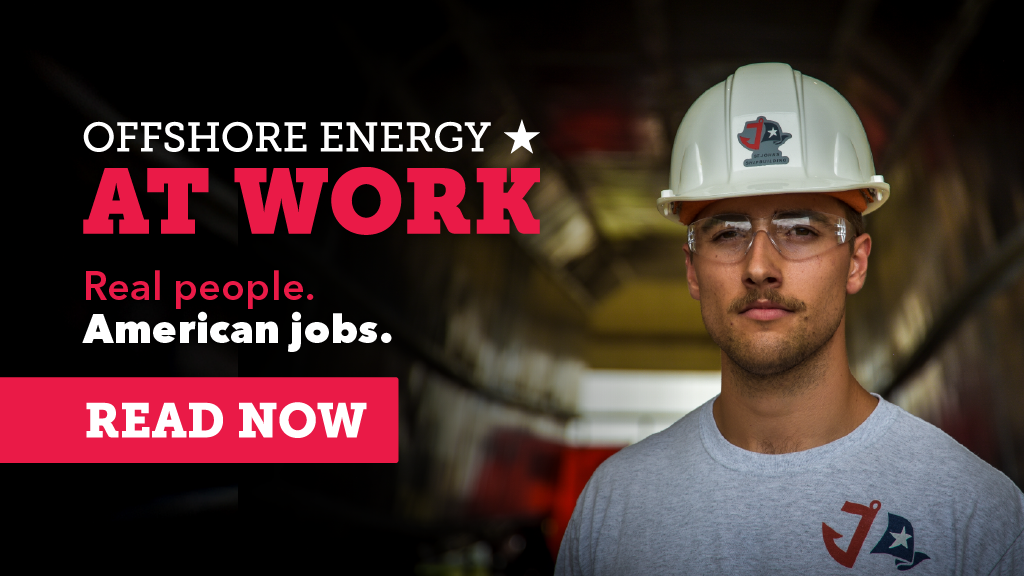
Oceantic Network's "Offshore Energy at Work" uses photography and storytelling to document offshore wind's economic footprint, profiling the welders, engineers, shipbuilders, and vessel operators behind the industry. The report finds the sector has driven a $25 billion wave of supply chain investment across a 40-state footprint, including $1.8 billion in vessel orders spread across 21 U.S. shipyards and $5 billion in port revitalization from the East Coast to the Gulf of Mexico.
Offshore Energy at Work
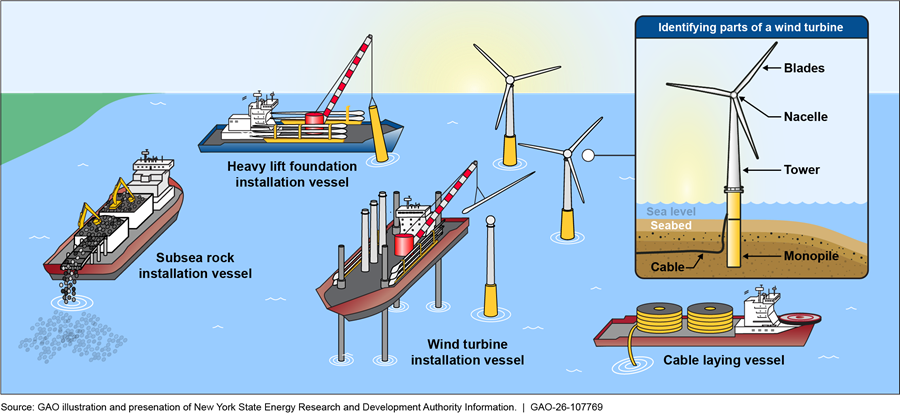
Commercial Shipbuilding: Selected Offshore Wind Projects Used a Mix of U.S. and Foreign Vessels, Spurring Some Shipbuilding Investments
A Government Accountability Office report on the shipbuilding side of offshore wind finds that of 300+ vessels used to build three U.S. projects, 80% were American-made and crewed. Additionally, 50 new offshore wind vessels are now built or on order at nearly 20 U.S. shipyards across a dozen states. None of that construction used federal maritime financing because the approval process was too slow. According to the report, owners say further investment is unlikely without more offshore wind projects in the pipeline.