
In honor of Women’s History Month, we’re spotlighting women who are shaping the future of chambers of commerce and economic development in communities across the country. Through their leadership and commitment to the economic impact of clean energy, these women are helping communities attract investment, create jobs, and strengthen local businesses.
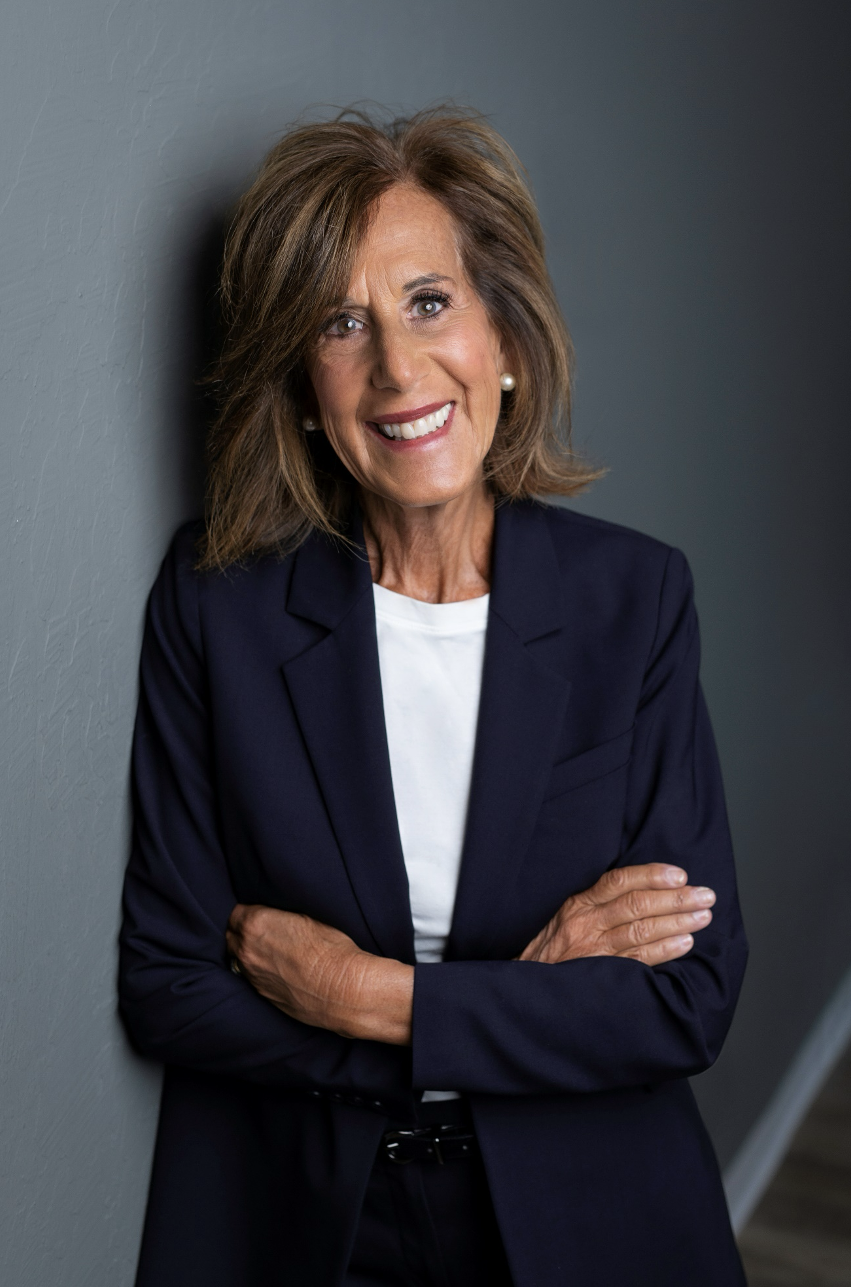
Ann Silver
Chief Executive Officer
The Reno+Sparks Chamber of Commerce
What was one of your first jobs, and what did you learn from that experience?
My first paid job was cleaning lockers at a public swimming pool. It taught me humility and showed me how careless people can be with their personal belongings.
What is your chamber doing to making the case for clean energy in your community?
The Chamber has leaned into clean energy in our community in a number of ways:
We offer free classes in "Green Business Certification" and "Green Dining Establishment Certification"; both are popular and well-attended.
We highlight the case for clean energy and innovation in our Public Policy Platform, published annually and distributed to all elected officials in northern Nevada.
We feature our "ECO Tour Series.” We rent a bus to take members to Chamber members' sites that rely on solar, wind and geothermal operations. These events have filled the bus each time.
We testify to our legislative body and city government sessions in favor of any proposed bill or regulation that promotes and expands the use of clean, renewable energy projects, rebates, or innovative technology.
We submit op-ed pieces to the local newspaper that support and promote clean energy and its benefits for businesses and their customers.
What has been the most rewarding moment in your career so far a win, a turning point, or a time you knew you were making a real difference?
The Chamber's biggest "win" was substantially increasing our member count by introducing an Association Health Plan for small businesses with between 2-50 full-time employees. This leveled the playing field for small businesses competing against larger companies when seeking to hire and retain employees.
Who is a woman (a mentor, colleague, or historical figure) who has shaped the way you lead, and what is the most important thing you took from her example?
My mother, now deceased, was my mentor. She worked full time, raised her children, managed our extracurricular activities, gave us advice, actively listened to what we had to say, and taught us that music, poetry, and books needed to always be in our lives. Her most important quality was her integrity that enabled her to speak truth to power.
Looking ahead, what is the one change you most hope to see in the clean energy or economic development landscape in the next five years?
I hope there is national recognition of our warming planet, our warming country and Nevada, specifically, that enables our elected representatives, of any political party, to advance clean, renewable energy solutions.
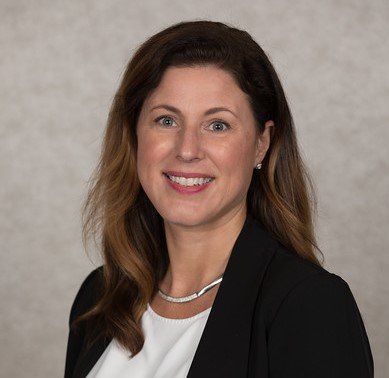
Kelly Andrews
Economic Development Director
Pitt County Economic Development
What was one of your first jobs, and what did you learn from that experience?
One of my first jobs was working for a mail order catalog business in Robersonville, NC in the early 1990s. I worked after school my senior year of high school, during the summer, and on breaks from college. I made minimum wage, which was then $4.25/hour, and had multiple duties including taking phone orders, packing boxes, picking orders, and even sweeping floors. I learned the importance of impeccable customer service, and this has carried over in every job that I have had since. Also, I learned that no job is beneath you – every task is important to achieve success.
What advice do you have for chamber and economic development leaders who are making the case for clean energy in their communities?
We must first have our strategic priorities mapped out. Then, we can determine how clean energy fits into those plans and helps us achieve our long-term vision for the future. Talk to partners and see if there are shared goals that we can work on together in this space. Educating ourselves on clean energy, including what it is and what it is not, is key to educating others about the industry and developing consensus around clean energy goals. Chambers, local governments, and economic development organizations play a key role in disseminating this information to the public, driving policy change, and making investments that accelerate the clean energy sector.
What has been the most rewarding moment in your career so far a win, a turning point, or a time you knew you were making a real difference?
It is always rewarding to announce a new company or an expansion of an existing company in our community. Boviet Solar’s announcement in 2024 of a $294 million production facility in Pitt County (that has since grown), including 1 million square feet of production space and 900 new jobs (now 1,300), was the culmination of a year’s work with other partners. I was not only proud of the team that successfully recruited Boviet, but also of the industry that would add to NC’s renewable energy assets and further NC as a leader in the clean energy economy. Boviet will also become one of our largest industrial employers over the next few years, providing an impressive number of great-paying jobs for our citizens.
Who is a woman (a mentor, colleague, or historical figure) who has shaped the way you lead, and what is the most important thing you took from her example?
I have learned a great deal from my County manager, Janis Gallagher, a positive, experienced, and capable leader. As the previous County attorney, and now the manager, I am always astounded by her depth of knowledge and wise insight on a myriad of topics and issues, both in and outside of County business. She always enters the room with a welcoming smile and a can-do, positive attitude, even in the face of tough challenges. She truly cares about her staff, the citizens of Pitt County, and the community she serves. It is not lip service, she walks the walk and talks the talk. That goes a long way in establishing trust, and she is widely respected by her staff and other community leaders. As we work for the citizens of Pitt County, we must always have their best interest and well-being in mind in all that we do, and she sets the example for all of us to follow.
Looking ahead, what is the one change you most hope to see in the clean energy or economic development landscape in the next five years?
Clean energy is the future — more clean energy projects are essential for a sustainable, economically stable, and healthier future. By understanding and embracing clean energy innovations and providing policy support that facilitates the industry’s growth, we can continue to reduce pollution, create good jobs, and ensure long-term energy security. We can do more! I am proud that NC is known as a leader in renewable energy projects, and over the next five years, I would like to see it rise even higher to the top of the leaderboard.
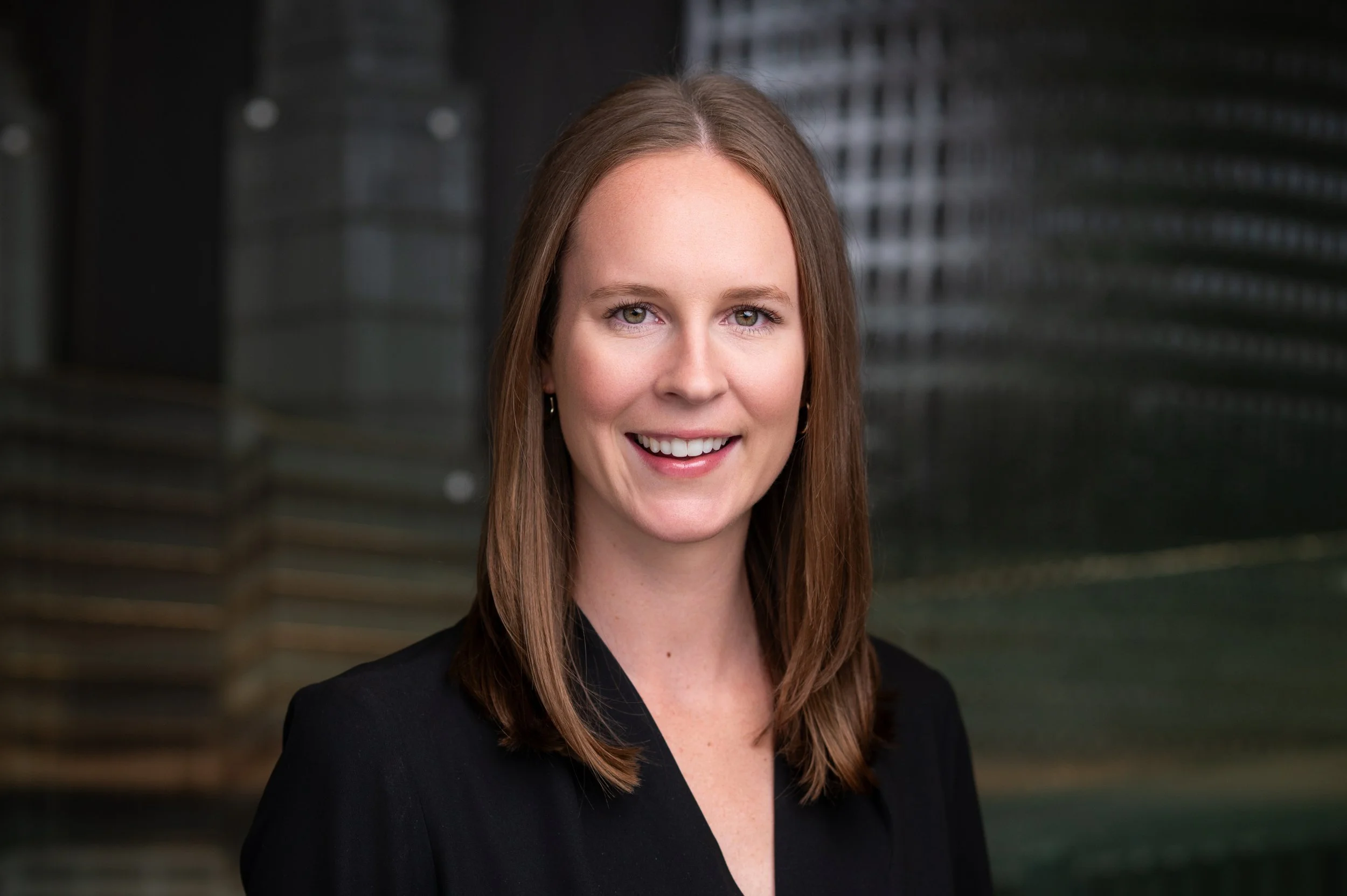
Emily Keller-Dey
Sustainability Initiatives Director
Greater Cleveland Partnership
What was one of your first jobs, and what did you learn from that experience?
One of my first jobs was working as a sales associate at a North Face outlet store when I was 16. I quickly noticed that our outlet mall wasn't recycling, which seemed unbelievable given how many stores were throwing away cardboard boxes and plastic every day.
Even as a young employee, I started asking questions and pushing the issue up the chain. Eventually, the concern reached The North Face headquarters, and they used their influence as one of the major retailers in the mall to encourage the property managers to start a recycling program. It worked, and the outlet mall is still recycling today.
That experience taught me something that has stayed with me throughout my career: corporations have a powerful voice. When businesses speak up, they can drive real change. It is one of the reasons I now work for a Chamber of Commerce, helping businesses use their influence to move sustainability and clean energy forward.
What advice do you have for chamber and economic development leaders who are making the case for clean energy in their communities?
My biggest advice is to build the business case. I often joke that I am a bit of a "corporate hippie tree hugger," but I am also deeply business-focused. I have spent my entire career working with companies, and I firmly believe that sustainability and clean energy are not just nice-to-have ideas. They are business imperatives.
At the end of the day, no business wants to be inefficient or waste resources. Energy efficiency and clean energy solutions often require upfront investment, but they frequently pay for themselves over time through lower operating costs and greater resilience. Framing clean energy in terms of competitiveness, cost savings, and long-term economic strength is what really resonates with business leaders.
What has been the most rewarding moment in your career so far?
One of the most rewarding moments in my career happened just recently at our fourth annual GCP Corporate Sustainability Summit.
Going into the event, a lot of people warned me that attendance and sponsorship might drop this year. Instead, the corporate sustainability community in Cleveland proved the opposite. We welcomed more than 350 attendees and exceeded our sponsorship goals, which allowed us to once again offer the event free to our members.
Standing in that room and seeing so many corporate sustainability leaders, partners, and friends come together was incredibly powerful. It reinforced something I strongly believe: sustainability is not a passing trend. Businesses understand that it is essential to their future, and right now energy is one of the most important parts of that conversation.
Who is a woman who has shaped the way you lead?
The woman who has most shaped how I lead is my mom. She leads with incredible grace and humility, but she is also one of the most effective people I know. She works harder than anyone I have ever met and somehow manages to accomplish an extraordinary amount every single day.
She also helped shape my perspective on sustainability long before I called it that. Growing up, our family focused on being efficient and not wasting resources, partly because it simply made financial sense. We recycled, reused, and found ways to stretch what we had long before sustainability became a mainstream conversation.
From her, I learned to stay humble, work hard for what you believe in, follow my passion and lead with purpose.
Looking ahead, what is the one change you most hope to see in the clean energy or economic development landscape in the next five years?
Over the next five years, I hope we continue to see the market drive the transition toward clean energy.
Markets often speak louder than politics, and right now the market is sending a very clear signal. Many large energy users, including tech companies and data centers, are facing energy costs that are far higher than they expected, and demand is only continuing to grow.
Clean energy solutions can be deployed faster and more efficiently than many traditional power sources, and they are becoming an increasingly important part of managing both cost and reliability.
I am also hopeful that the next few years bring major innovations in energy technology. New breakthroughs will be essential to meeting the scale of the challenges we face, and I am optimistic that the combination of market demand, entrepreneurship, and innovation will help move us forward.
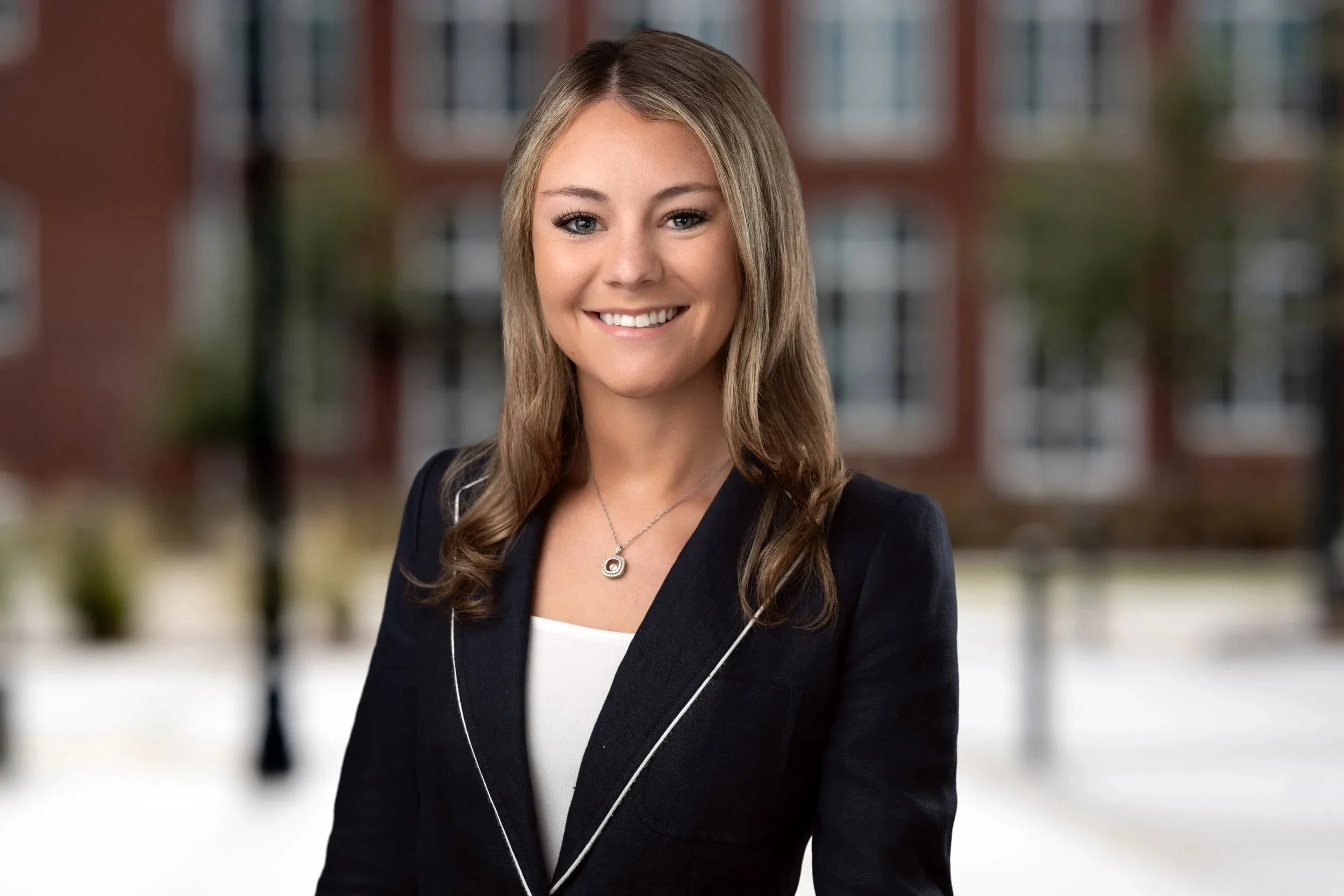
Bailey Vincett
Associate Vice President of Business Advocacy
Charleston Metro Chamber of Commerce
What was one of your first jobs, and what did you learn from that experience?
My first job was working at Walgreens while I was in high school. It was my first real lesson in accountability and reliability. I worked alongside a lot of other teenagers who called off whenever it was convenient, and over time I was rewarded simply for being someone management could count on. That experience taught me that showing up consistently matters, regardless of the job, and that reliability is often what sets people apart early in their careers.
It also helped me realize what I didn’t want to do long term. Retail was repetitive, transactional, and lacked the kind of problem-solving and variety I thrive on. That realization pushed me toward government relations and advocacy work, where no two days are the same and where relationships, strategy, and real-world impact drive the work.
What advice do you have for chamber and economic development leaders who are making the case for clean energy in their communities?
My biggest advice is to tailor the message to your community instead of relying on one-size-fits-all talking points. Every region has different priorities, pressures, and economic realities, and successful advocacy starts by understanding what matters most locally.
In South Carolina, our natural environment is a major economic driver; it’s why people want to live, work, and invest here. At the same time, we are one of the fastest-growing states in the country, which means energy demand is increasing rapidly. Framing clean energy as part of an “all-of-the-above” approach that supports growth, reliability, affordability, and environmental stewardship has been critical. Being honest about tradeoffs, practical about timelines, and sensitive to local concerns builds trust and makes the conversation more productive.
What has been the most rewarding moment in your career so far a win, a turning point, or a time you knew you were making a real difference?
One of the most rewarding parts of my role at the Charleston Metro Chamber is serving as a lobbyist for our military community, including Joint Base Charleston and the Coast Guard. Because they are unable to lobby on their own behalf, they rely on trusted partners to elevate the challenges they face.
A particularly meaningful win involved students at the Nuclear Power Training School who were arriving in South Carolina without driver’s licenses. Many were older than the typical 16-year-old permit holder, didn’t have family or friends locally to train with, and didn’t have the time required under state law to complete the standard six-month permitting process. This created quality-of-life issues, transportation barriers, and even security concerns as students eventually had to move off base.
Working with state legislators, we were able to secure an exemption in South Carolina law for active-duty military members. That change has had an immediate, practical impact on students’ daily lives and on base operations. It was a clear example of how targeted, informed advocacy can solve a real problem and make a tangible difference.
Who is a woman (a mentor, colleague, or historical figure) who has shaped the way you lead, and what is the most important thing you took from her example?
My mom has had the biggest influence on how I lead and carry myself professionally. Growing up, I watched her progress from a registered nurse at the Children’s Hospital of Pittsburgh to earning her Doctor of Nursing Practice and eventually serving as Senior Director of Critical Care Medicine and the Critical Care Flight program. She did all of this while raising four daughters and, later, becoming a full-time caregiver for my dad.
What I took from her example is that leadership is about resilience, work ethic, and adaptability. She handled high-stakes professional responsibilities while navigating significant personal challenges, never losing sight of either. That ability to stay steady, lead with competence, and handle whatever comes next has deeply shaped how I approach my own work and leadership style.
Looking ahead, what is the one change you most hope to see in the clean energy or economic development landscape in the next five years?
I hope to see meaningful expansion of nuclear energy. South Carolina is uniquely well positioned to lead in this space, with existing infrastructure, a skilled workforce, and deep expertise already in place. Nuclear power offers a clean, reliable, and baseload energy source that can support long-term economic growth if scaled responsibly.
As communities continue to grow and electrification increases, having dependable energy generation will be essential. Done right, nuclear energy can play a critical role in meeting demand, strengthening energy resilience, and supporting decades of sustainable development.

Joann Knight
Executive Director
Dodge City/Ford County Development Corporation
What was one of your first jobs, and what did you learn from that experience?
One of my first jobs was at a local, family-owned manufacturing plant when I was 16 years old. At the time, I was enrolled in an office education program through my high school, which allowed me to gain hands-on experience in a real business environment.
Working there exposed me to many aspects of manufacturing, including production processes, exporting, and relationships with dealers and distributors. That early experience helped me understand how important primary sector jobs are to the health of a community. Manufacturing businesses not only create employment opportunities, but they also generate economic activity that supports many other local businesses. That lesson has stayed with me throughout my career in economic development.
What advice do you have for chamber and economic development leaders who are making the case for clean energy in their communities?
My advice would be to approach clean energy projects the same way you would any other economic development opportunity: build strong partnerships with both public entities and private businesses.
When a community has established trusted relationships and demonstrated a commitment to supporting its existing businesses, it becomes much easier to communicate the real impact that wind and solar projects can have locally. These companies are investing in your community to produce a valuable product while creating well-paying jobs and expanding the local tax base.
Clean energy development can play an important role in strengthening rural economies. These projects help communities diversify their economic base while creating opportunities that encourage younger generations to remain in or return to their hometowns.
What has been the most rewarding moment in your career so far, a win, a turning point, or a time you knew you were making a real difference?
Having had the privilege of serving with the Dodge City/Ford County Development Corporation for 35 years, it is difficult to identify just one defining moment.
One of the earliest turning points came in 1997 when our organization launched a sales tax campaign called, “Why Not Dodge?” a campaign that significantly enhanced community pride and helped improve the overall quality of life in Dodge City.
Another important milestone has been our success in addressing housing shortages. Through collaborative efforts, we helped develop new workforce housing and established a nonprofit organization, the Community Housing Association of Dodge City (CHAD), which focuses on housing rehabilitation while also helping develop the construction workforce needed to support that growth.
More recently, we were proud to recruit Hilmar Cheese to Dodge City—a $630 million investment that employs approximately 270 people. The facility produces more than one million pounds of cheese each day while also manufacturing a substantial whey protein product. Projects like this demonstrate the long-term impact that strategic economic development can have on a community.
I am also extremely proud of how our community has embraced wind and solar energy as part of the diversified products we export. Today, we continue working to attract additional wind, solar, and emerging industries such as data centers to further strengthen our regional economy.
Who is a woman (a mentor, colleague, or historical figure) who has shaped the way you lead, and what is the most important thing you took from her example?
Two women in particular have had a profound impact on my leadership journey.
The first was my mother-in-law, Becky Knight. She was an incredible example of patience, faith, and strength. Becky taught me the importance of prayer and trusting the path that God places before us, even during the most difficult times. Her belief in “growing where you are planted” has been a guiding principle in my life and career. Although she passed away ten years ago, her influence continues to shape the way I approach both leadership and life.
The second person is Clare Gustin, who retired from Sunflower Electric Power Corporation. Clare is a highly respected professional who has always been committed to uplifting and encouraging other women. She nominated me for several leadership opportunities, including Leadership Kansas, the Eisenhower Women of Excellence in Public Service Series, and the National Rural Economic Development Association’s Economic Developer of the Year Award.
Her support and encouragement helped open doors that allowed me to participate in these leadership programs and ultimately receive that national recognition. Clare’s example reminds me how important it is to support and elevate other women in their professional journeys.
Looking ahead, what is the one change you most hope to see in the clean energy or economic development landscape in the next five years?
Global demand for energy will continue to grow, not decline. Because of this, we must embrace a balanced approach that includes all forms of energy generation to meet future needs.
For communities, especially rural communities, energy development represents a significant opportunity. Wind, solar, and other forms of energy investment can bring well-paying jobs, strengthen local tax bases, and provide long-term economic stability. These investments often attract additional industries as well, including data centers and clean manufacturing.
For communities that are searching for new opportunities, energy development can help diversify the local economy while supporting existing businesses and creating new ones. It also provides a path for younger generations to stay and build their futures locally.
Ultimately, communities that are willing to embrace change and work with strong partners will be the ones that continue to grow and thrive. As I often say, if a community is not growing, it is declining, so the willingness to adapt and pursue new opportunities is essential.
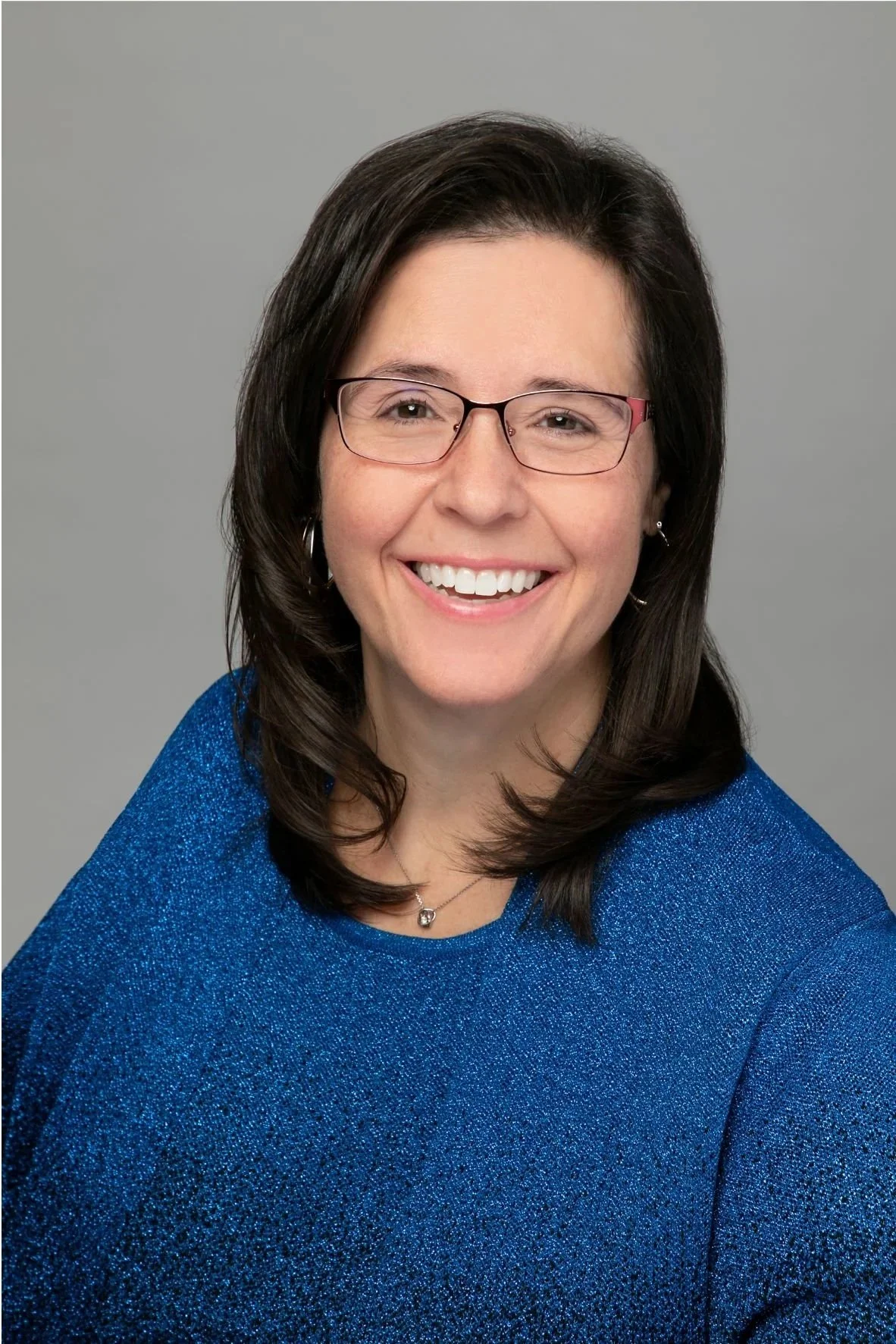
Christina Williams
Executive Director
Sun Prairie Chamber of Commerce
What was one of your first jobs, and what did you learn from that experience?
My first job was as a short-order cook. The owner believed in offering the best quality food to her customers and never skimped on her choices in any area of her business to help pad net revenue. She even purchased the roastor the hot beef sandwiches from the local butcher, paying a premium cost so she could control that quality. It was one of the most popular items on the menu. Ever since then, in any position I’ve held, I’ve made sure that we are compromising quality for revenue, whether that was in caring for other people or planning out quality events.
What advice do you have for chamber and economic development leaders who are making the case for clean energy in their communities?
Don’t be afraid of the loud dissenting voices in the room. The truth I’ve found is that most people are not opposed to clean energy initiatives and, in fact, believe that we can and should be doing more to make a difference whenever and wherever we can. Money is emotional for people, so if the majority of people are pushing back because of the concern for costs, find smaller, less expensive ways to start showing the impact sustainability efforts can make and then make sure to highlight it to the community every chance you get.
What has been the most rewarding moment in your career so far a win, a turning point, or a time you knew you were making a real difference?
At our Chamber, we started a Friday morning Coffee Chat on Zoom in 2020. At the time, it was an opportunity for other business professionals to come together to connect and share successful initiatives they were using to get through the difficult times. It was also a place to share frustrations. When we started, there were about five to six of us faithfully on. When outdoor restrictions were lifted in our county in May 2021, I moved the group off Zoom to a city park downtown. Everyone was thrilled to see each other in person and our group grew to about 12 regulars with new people every week. When the weather changed that fall, we moved into a member coffee house with a meeting room. Within no time, we grew to 18-20 regulars and outgrew the room. It was when I had to find a larger space to accommodate the group that I knew that this event was becoming an important part of our business landscape. More importantly, every week, I’d hear another story about an important connection made or a collaboration between members and the impact the time spent in together was making in people’s businesses. That was very rewarding for me. Today we move this event around each week to a different business and average 35-40 people, sometimes blossoming out to 60. We’ve created a space where business professionals are building deep relationships and strengthening our business community.
Who is a woman (a mentor, colleague, or historical figure) who has shaped the way you lead, and what is the most important thing you took from her example?
Joanne Macke, owner of the restaurant where I worked as a short-order cook, had a lasting impact on all of my future endeavors. She believed that relationships mattered in business. Even as the owner of a small local restaurant and ice cream shop, she could often be found out in the serving area sitting down and visiting with her regulars. She was caring, personable, and welcoming to everyone who stepped foot in the building. She truly believed that if you take care of the customer, they will take care of you. I’ve used that as my guiding principle throughout my career. Sadly, she lost her life early to cancer and the restaurant was never the same.
Looking ahead, what is the one change you most hope to see in the clean energy or economic development landscape in the next five years?
We desperately need the political landscape to swing back to supporting sustainability efforts and working with the rest of the world to care for our planet. I hear about new, reliable, and efficient inventions that have been created that could make a high- impact lasting change, but that never make it to the consumer. An example would be solar roof tiles placed instead of traditional tar-based tiles that I heard talk about many years ago. They were supposedly more durable and obviously offered the sustainability of solar power for home use and beyond. I’d like to see regulations put in place that allow testing of items like this to be streamlined past lobbyists and those who fear it, so it has a greater likelihood of reaching the end user.