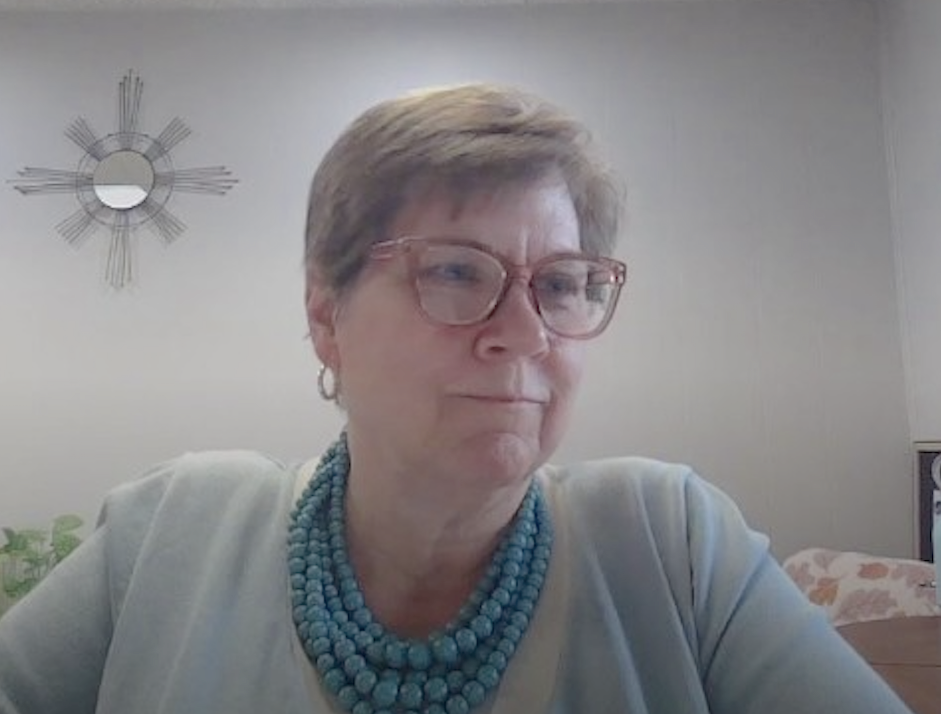
For Peggy Emerson, president and CEO of the Fairfield Chamber of Commerce, clean energy starts with the business case. In nearly a decade of chamber work across Ohio, including leading the Darke County and Paulding Area Chambers of Commerce, Emerson has backed energy projects that deliver tangible benefits for local businesses and communities.
“Businesses need dependable energy, manageable operating costs, and water and wastewater systems that support their success. Here in Fairfield, we see sustainability and clean energy as an investment in that economic foundation,” said Emerson, who spoke on CICE’s webinar, Ohio's Edge: Winning Site Selection with Innovative Energy Solutions.
In Fairfield, her chamber supports the city’s energy and sustainability work, which cuts costs and supports reliable service for local businesses and the community.
“Fairfield’s approach is practical: reduce demand, invest where the numbers make sense, and bring businesses along. And that is how we are strengthening the foundation for our next decade,” said Emerson.
This year, the city of Fairfield completed its first large-scale renewable energy project: a 1.5-megawatt solar array beside its wastewater plant, the largest electricity user among city-owned facilities. Built with U.S.-manufactured components, the five-acre array has nearly 3,000 solar panels and offsets roughly 65% of the plant’s annual electricity use.
“That plant serves residents, our hospital, and commercial and industrial customers. Managing its energy costs helps support stable utility rates and strengthens the infrastructure our economy depends on,” Emerson said.
Designed and built by Cincinnati-based Melink Solar, the $3.1 million solar project earned Fairfield a Clean Energy Champion Award from Power a Clean Future Ohio in October 2026. In addition, the project is a finalist for Solar Builder’s 2026 Project of the Year.
Emerson’s experience with wind development in Paulding County also informs her approach to community conversations about clean energy projects. There, she worked with local elected officials and testified before state legislators. Her advice to other chamber leaders is to lead with the facts and a positive message.
Emerson emphasizes the importance of sharing accurate information, presenting a consistent message, and approaching community concerns from a positive perspective to help overcome public objections to energy projects.
Chambers like Fairfield have an important role to play in local energy discussions. By bringing the business perspective and reliable information to the table, they can help communities make informed decisions about energy development and its economic impact.